Stop Just Swapping Bulbs in Your Glass Line
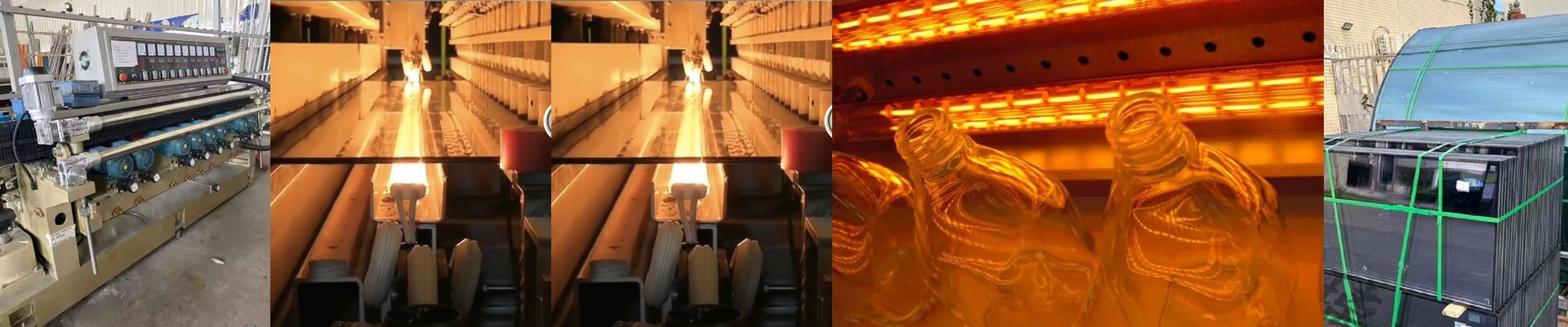
Here’s the thing about buying a replacement IR lamp: if you’re just matching a part number, you’re probably missing the real problem. Uneven heating and glass stress aren’t usually caused by a “bad bulb.” It’s about the thermal gradient. If the heat ramps up too fast or the soak time is just a bit off, you end up with optical distortion or, worse, shattered panes. We don’t just put tubes in boxes and ship them. We actually look at how your line is breathing.
The struggle with heat saturation
Glass is stubborn. It doesn’t like to move heat around. When you use shortwave IR, the energy slams into the surface instantly. If the wattage is too high for the thickness of your glass, you get a massive temperature gap between the outside and the core. That’s where the internal stress comes from. We dig into your voltage and power distribution first. The goal is to get the heat to penetrate deep into the glass without scorching the surface.
Real-world trade-offs
We spec out lamps based on the actual space you have in your oven. Sure, a high-wattage halogen tube gives you heat right now, but it puts a huge strain on your power supply. And if you’re pushing 2500W through a tiny tube, your reflectors have to be perfect. If they’re off by even a little, that heat bounces right back into the housing. Then your sockets burn out, and you’re right back where you started. That’s why we check your alignment before we even talk about a power upgrade.
Looking at the big picture
A “drop-in replacement” is a bit of a myth because it ignores the fact that the rest of your system is getting old, too. We check your wiring and your PID controllers. If your sensors are in the wrong spot, you could buy the most expensive lamp on the market and your glass will still warp. Instead, we map out your heat zones. We make sure the IR output actually matches how fast your conveyor is moving. You get a process that actually stays stable. Not just a new bulb.