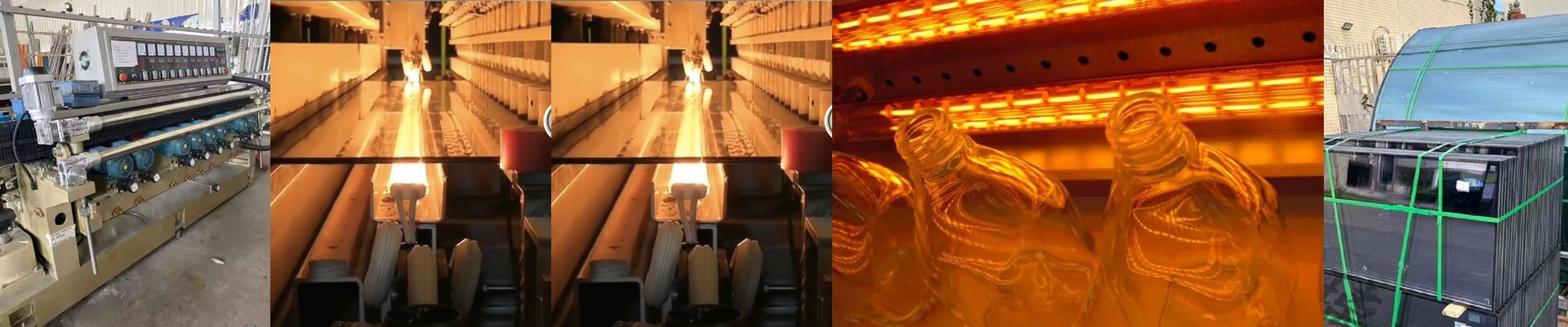



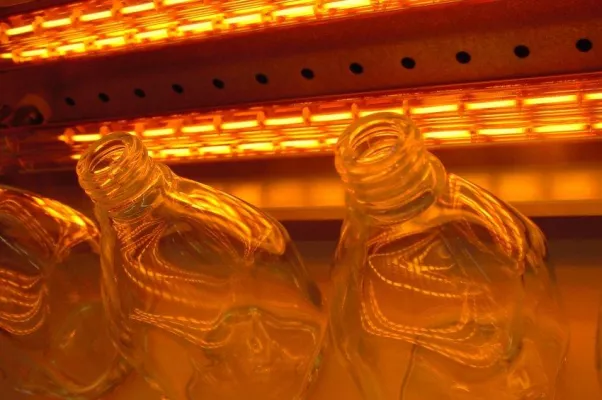
On the glass line, drying isn’t a step you check off. It’s the constraint that sets the pace. Coatings, adhesives, sealants—they all wait on temperature and residence time. Every extra minute eats capacity. Every hot or cold spot risks optical defects and thermal stress. An infrared tunnel is how we take that constraint and make it repeatable, shift after shift. What matters under the hood We run NIR (near-infrared) emitters in a tunnel layout so the energy goes where it needs to: straight into the coating and the glass surface, not the air around it. That gives you rapid, direct heating with a short response time, so you can keep line speed up without overshoot. Zone control keeps the thermal field uniform across the width, and the profile holds steady shift to shift. The build is industrial—stable output under 24/7 cycling, quartz components that can take the heat, and modular sections that make it easy to swap a zone without shutting down the whole line. Why it fits the work we do In glass processing—bending, tempering, lamination, and insulating glass assembly—the drying window drives yield. With an infrared tunnel, solvents and moisture come out faster, cure progression stays consistent, and you see fewer rejects from edge dry/center wet or contamination on the reverse side. Energy use drops because you’re heating less mass and the dwell is shorter. Throughput goes up because the bottleneck moves off drying and onto downstream inspection and handling. The practical details you can’t skip Infrared drying is line-of-sight, so glass geometry and coating emissivity matter. Thick or low-emissivity layers will need adjusted power density and a bit more residence time, and you have to keep reflectors clean to hold uniformity. Plan for clear access, proper cooling, and routine calibration of temperature sensors. Do that, and the process stays stable at production speed instead of chasing drift all shift.