


Getting Your Glass Score Line Heating Right
If you’ve spent any time on a glass production floor, you know the headache. You need exactly the right amount of heat to kill the internal stress before the break, but getting that thermal energy to hit just right is a constant battle. We built our heating lamps to handle that heavy lifting without the usual nightmare of hardware swaps.
No More “Square Peg, Round Hole”
Here is the thing: most shops dread updating their lamps. Why? Because the new gear almost never fits the old sockets. You end up spending hours fighting with the hardware or, worse, rigging up custom adapters that just leak heat and choke your electrical flow. We decided to fix that. Our lamps are designed to just… fit. Whether you’re using standard spiral heads or some weird, custom connector, these are basically drop-in replacements. You won’t have to touch your control cabinet or mess around with the housing. You just pop them in and get back to work.
The Nitty-Gritty on Heat
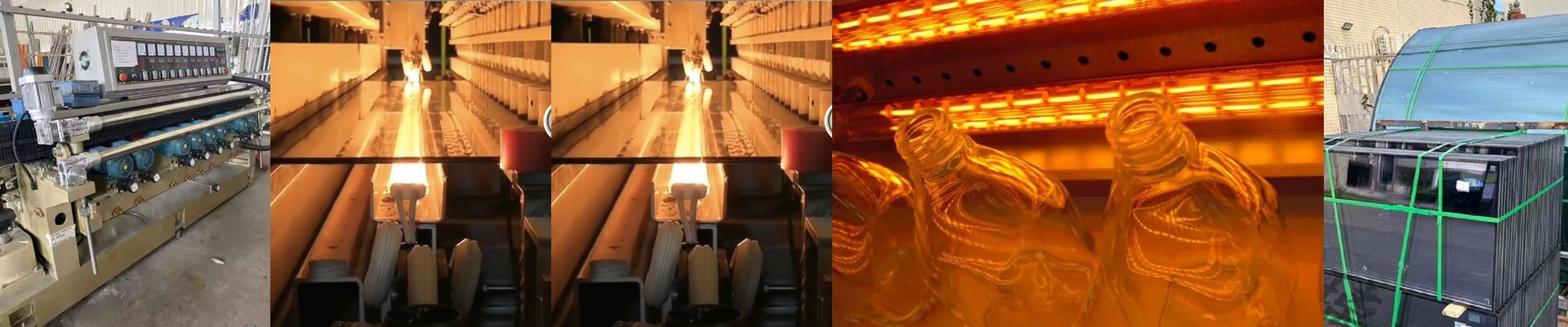
These lamps are all about high-density output. We use quartz glass so the heat hits the score line hard, but stays clean. No contamination, no mess. The power is tuned specifically to get that glass to its softening point fast. But a quick heads-up: if you’re putting a high-output lamp into a legacy machine,keep an eye on your circuit breakers. Higher wattage means a heavier load. If your old transformer can’t handle the spike, the whole system is going to trip right when you’re in the middle of a peak cycle. It’s worth a quick check before you flip the switch.
Making Life Easier on the Floor
We’re big believers in “non-destructive upgrades.” In plain English? You shouldn’t have to tear your machine frame apart just to replace a burnt-out bulb or move to a more efficient model. It makes the repair process a breeze. You slide the lamp into the space, lock the connector, and run a test. That’s it. When the heat profile is consistent across the line, everything just flows better. Fewer breaks, less waste, and a lot less stress for the people running the machines.