

Getting Low-E Glass Preheating Right (When Your Glass is Massive)
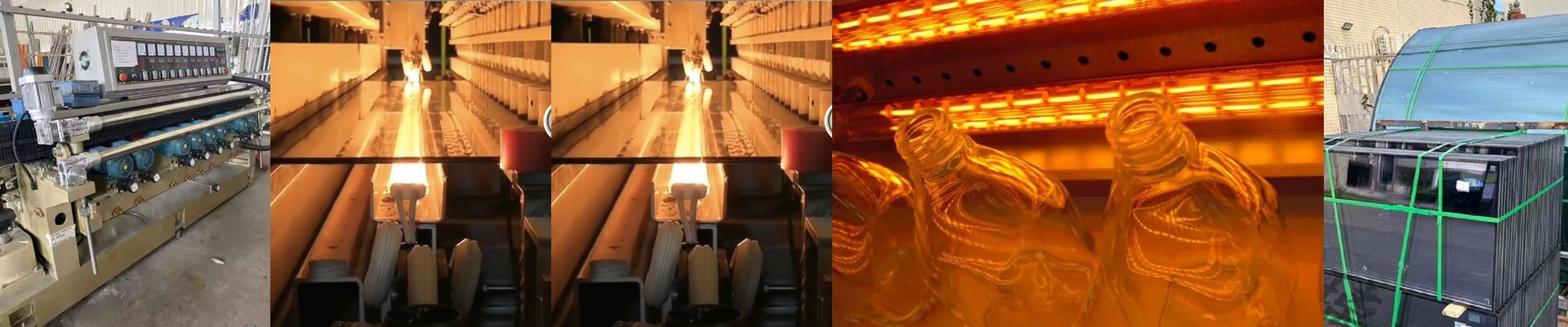
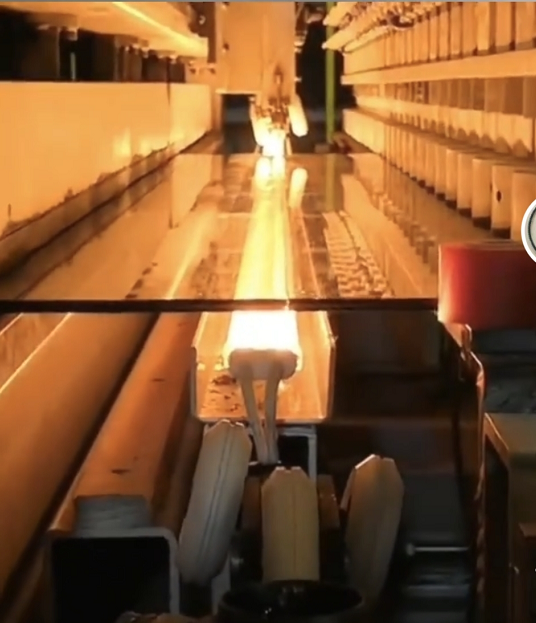
If you’re working with wide-format Low-E glass, you know the struggle. You need the heat to be perfectly even across the whole sheet. But once you cross that 3-meter mark, the standard lamps you buy off the shelf just don’t do the job. You end up with cold spots and weird thermal gradients that mess up your quality. That’s why we build custom, continuous infrared units. We basically get rid of the gaps so your drying tunnel actually does what it’s supposed to.
The Headache of Long Tubes
You can’t just stretch a piece of quartz and call it a day. When a tube gets that long, it wants to bow. The filament tension gets wonky. It’s a recipe for disaster. We handle this by being obsessive about the winding density and using reinforced quartz. We also spend a lot of time tweaking the voltage and current. Why? Because if you don’t, the ends of the tube tend to burn out way faster than the middle. Nobody wants to be replacing lamps every other week.
The Nitty-Gritty on Heat
For Low-E work, the wavelength is everything. We use high-purity quartz because it lets the IR transmission through without fighting it. Depending on how fast your tunnel is moving, we can add specific coatings to shift the emission spectrum. It’s the difference between heating the glass surface properly and accidentally overheating the edges. And a heads-up: the installation has to be spot on. We use heavy-duty connectors because these 3-meter tubes expand when they get hot. If your mounting brackets are off by even a millimeter, the tube will stress, flex, and eventually just snap.
The Trade-offs
Here’s the honest part. Going with a 3-meter continuous unit is great because you lose those annoying “cold strips” caused by gaps between lamps. Your glass comes out consistent. But there is a catch. If one tiny section of that 3-meter tube fails, you have to swap out the whole thing. You can’t just patch a small segment. Plus, you’ve got to keep an eye on your power supply. If you have a voltage drop across a tube that long, the far end won’t get nearly as hot as the start. It’s a balancing act, but once it’s dialed in, it just works.