

On the line, glass doesn’t forgive guesswork. One hot spot in the furnace, a cold edge at the bending station—next thing you know, you’re staring at optical distortion, thermal stress cracks, or lamination voids that only show up after the customer takes delivery. We built our infrared thermometer for glass to stop those failures where they start.
What matters, technically
This is a short-wave infrared (SWIR) pyrometer, tuned for how coated and uncoated glass behave in emissivity. It measures surface temperature from 300–1300°C with ±1% repeatability, response under 10 ms, and a tight optical spot that reads the glass—not the heater or conveyor around it. The optics are matched to glass processing windows, and you can take the output as 4–20 mA or RS485, straight into PLC control of tempering furnaces, bending ovens, EVA/SGP/PVB laminators, and coating drying zones. The housing is IP67-rated for dusty, humid plant air, and it mounts in tight bays where thermocouples drift and snap.
Why it holds up on the floor
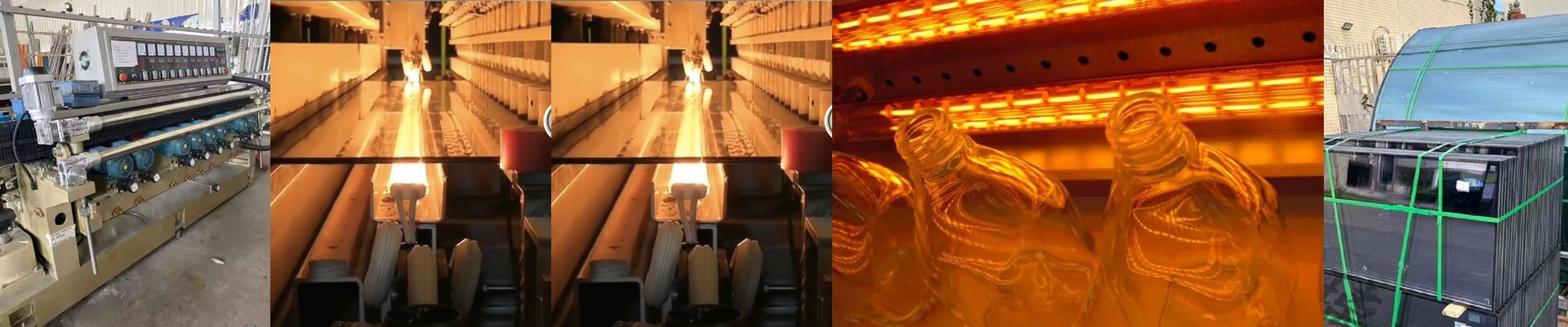
In tempering, you need the surface to hit quench-ready temperature evenly across the ribbon. Too low, and you don’t get the surface compression you need. Too high, and you risk breakage during quench. With an infrared reading, the furnace controller can keep the soak band tighter—scrap drops, and optical quality stops yo-yoing. On bending, it closes the loop on sag temperature so the glass matches the mold profile without cooking the edges. In lamination, it keeps the polymer from under-curing in the center or scorching near the heater—optical clarity stays consistent, and shear strength doesn’t drift. The payoff is fewer reworks, faster changeovers, and energy use that follows the process, not a gut feeling.
The details that keep it honest
Install it perpendicular to the glass surface, and confirm the emissivity setting matches your glass and coating. If it doesn’t, the reading starts to drift. The sensor sees a defined spot, so align it to the critical zone—center of the ribbon, edge of the bend, or the lamination hot zone—and keep the lens clean of dust and condensate. In high-convection areas, shield the line of sight from air currents that can kick up transient swings. Once aligned, it replaces thermocouples that fatigue and drift, but it still needs periodic calibration checks against a traceable blackbody so the numbers stay trustworthy across shifts.