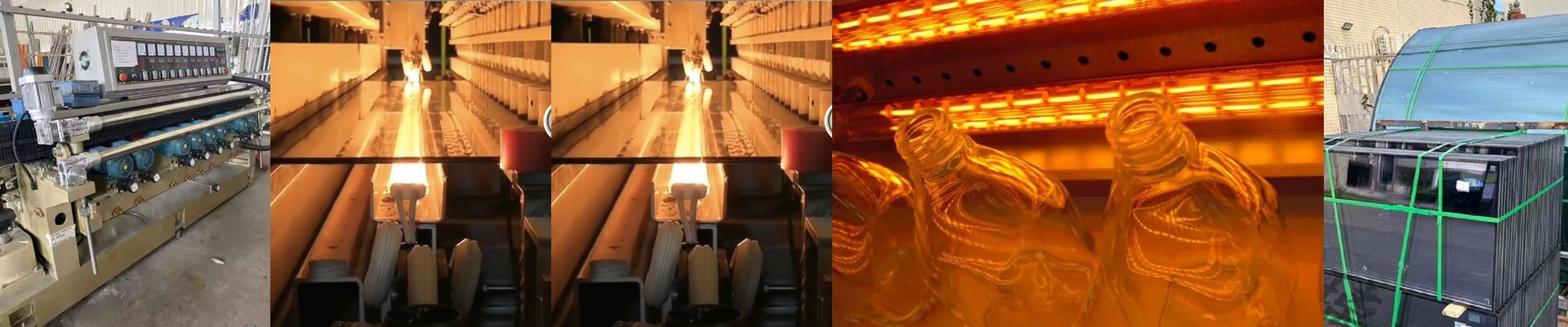
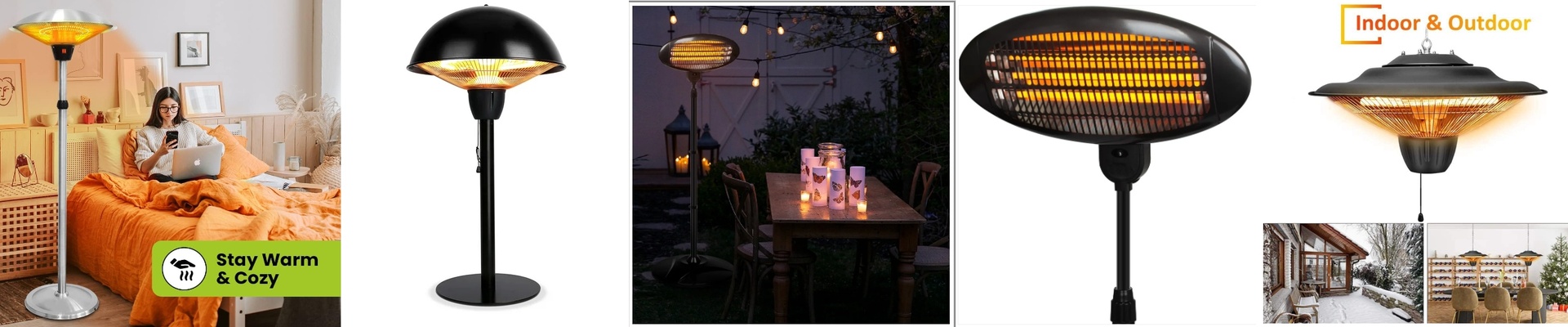
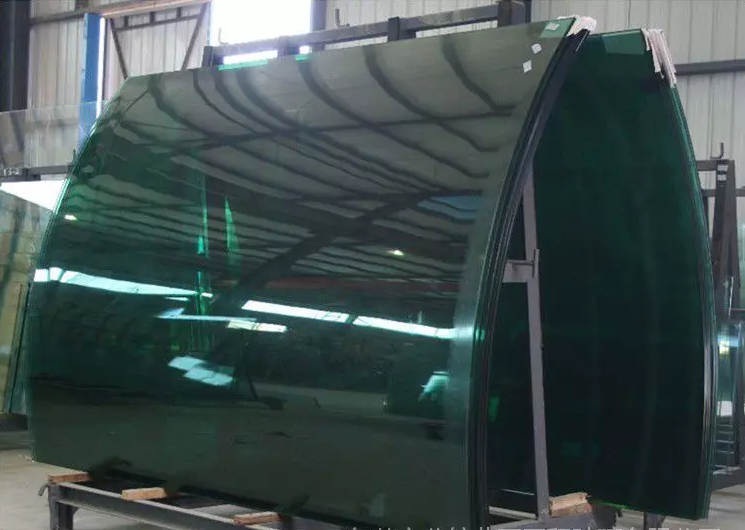
On the fusing line, the ovens run long, the electricity meters spin, and the heat has to slam into the glass fast—then hold steady. When the heating profile drifts, you get uneven flow, weak seams, and glass that cracks under thermal stress. We built our infrared heating modules to run that pressure cooker with discipline. What matters under the hood Our NIR quartz emitters punch high power density with quick response, so the glass surface hits fusing temperature fast without turning the whole chamber into a soak. The system targets the glass absorption band, so you waste less heat on convection and structure. Control stays tight: closed-loop feedback keeps temperature stability within ±2%, and the thermal field stays uniform across the belt width—exactly what you need when you’re fusing thin and thick glass in the same shift. These modules are built for continuous duty, with service life measured in thousands of hours. Why it holds up on the line In fusing, the cycle is the cost center. Faster ramp-up means more parts per hour, and stable holding means fewer rejects from incomplete fusion or thermal shock. Energy use drops because the heat goes straight into the glass, not into reheating air and fixtures. In high-power heating, that translates into lower kWh per shift and less peak demand. The payoff is consistent fusing quality, fewer line stops, and a lower cost per piece. The things you learn the hard way Infrared heating is line-of-sight. Shadowing from fixtures or uneven glass stacking can create cold spots, so belt layout and spacing matter. We size the module array to match your load profile, and we recommend a short commissioning run to dial in emissivity settings for your specific glass. Expect faster warm-up, but plan for clean alignment.