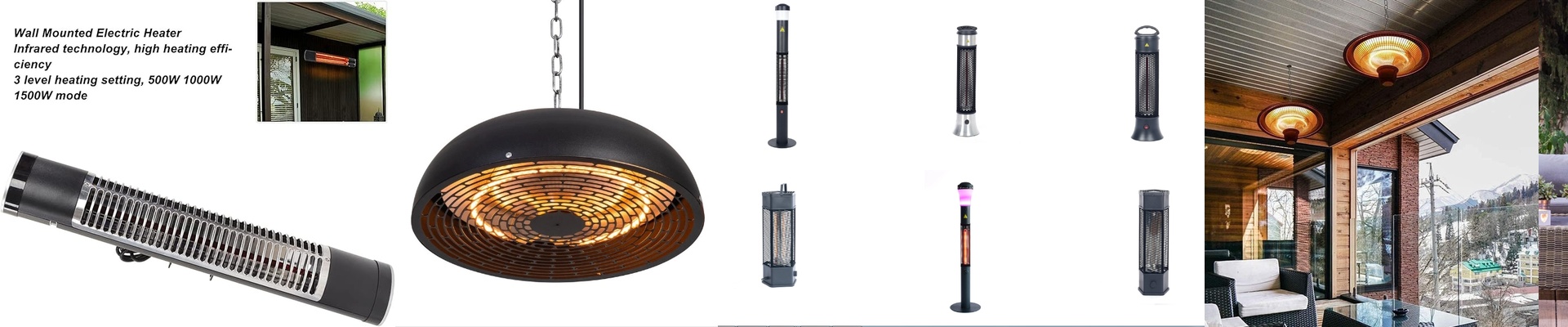

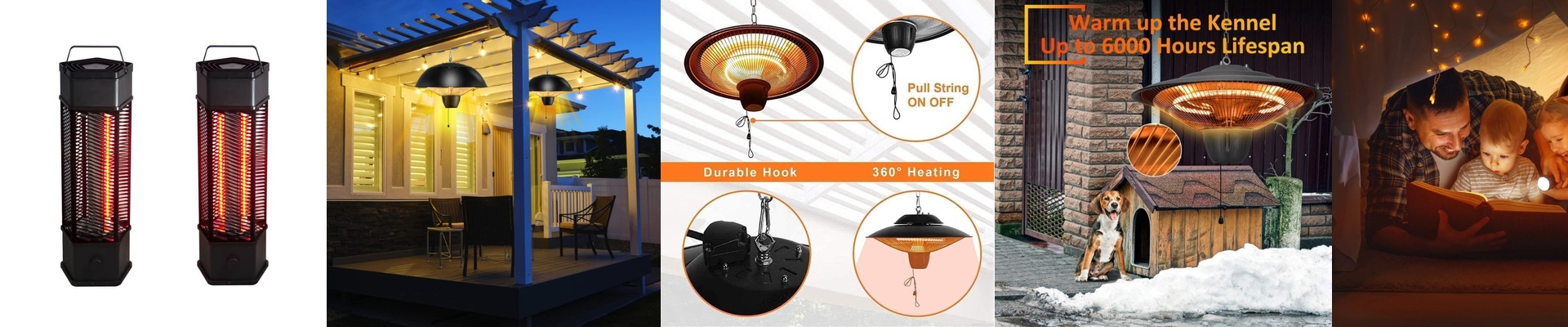

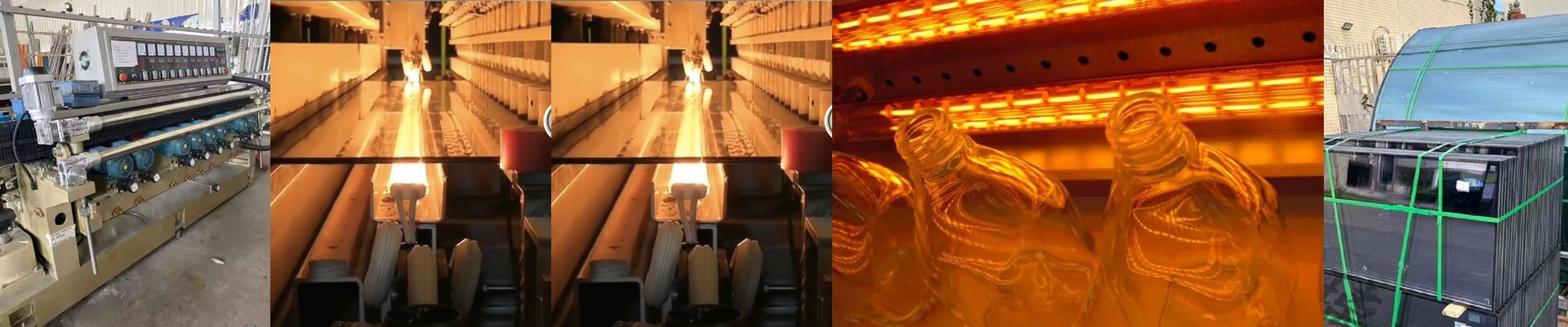
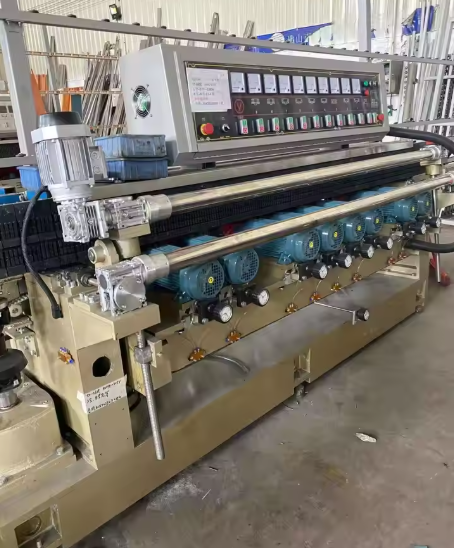
Introduction
We built this system for one reason and one reason only: to take the stress out of glass—without warping it. At the heart of it all is an infrared heating setup we tuned by hand. Instead of blasting the glass with broad, generic heat, we dialed in the wavelengths to match exactly what the glass (and any additives) will absorb. So the heat goes exactly where it’s needed. Nowhere else.
The Real Power Move: Controlling the Light, Not Just the Heat
Here’s the thing: it’s not about cranking up the wattage. It’s about controlling the spectrum. We set the system to hit the exact absorption peaks of the glass itself. That means the lamp energy gets soaked up by the material—not wasted heating the air around it or bouncing off. The payoff? The glass heats up fast and evenly, all the way through, without that sudden shock that can crack things. That precision lets us keep the thermal profile lean. We hit the annealing point clean, with almost no overshoot. That cuts cycle time and lowers energy use. And because the heat input is repeatable at the spectral level, you get consistent results, batch after batch.
What It’s Built With—And Why It Stays Tough
The infrared emitter is engineered to keep its head down and do its job, shift after shift. We use a quartz envelope because it handles the constant heating and cooling without complaining, and it keeps the output stable. Inside, the filament layout is arranged to produce the exact wavelength band we’re after—so the energy lands where the glass actually wants it. And yes, it’s made for the shop floor. The connector interface is tough enough for daily installs and removals. It drops right into standard fixtures, so you can wire it in and get running without re-engineering the whole machine. The footprint is small, too, so it fits cleanly into lines you already have.
What It Actually Fixes—And What It Feels Like to Use
In glass manufacturing, leftover stress is the silent killer. It shows up as breakage during cutting or tempering. Our spectrum-tuned infrared heats the glass just enough to let the molecular structure relax. The heat stays localized, so nearby parts stay cool. Less warp, less distortion—meaning better yield and less scrap. There is a trade-off, though. Because the heat is focused and intense, you need to plan for thermal management. That means proper cooling and shielding to keep sensors and fixtures safe. Plan for solid airflow, or go with water-cooled mounts. When you spec it right, you get repeatable stress relief, predictable cycle times, and less energy per part.
The Honest Trade-Off: Heat Is Power—And Power Needs a Plan
A high-density infrared source delivers fast, targeted heat. But it also pushes ambient temperatures up inside the machine enclosure. So your cooling has to match the output. Size your heatsinks and fans for the full load, or set up a water-cooled interface. If you handle the thermal budget up front, the lamp will run reliably, shift after shift, without drama.