
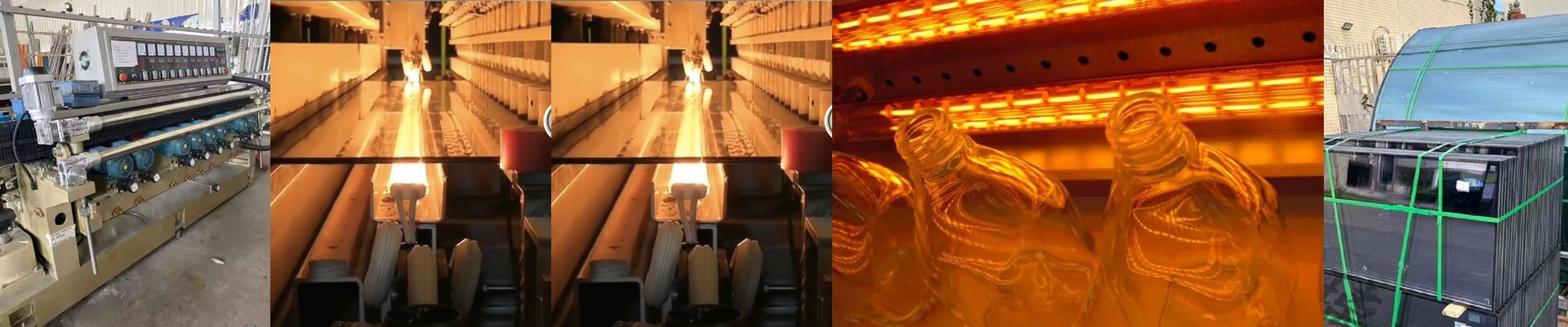

On the tempering line, the furnace hits temperature fast, yet the glass still shows stress marks. In the lamination press, the cycle drags while the PVB or SGP layer chases the target temperature. With insulating glass, the seal fails when the desiccant isn’t fully activated. The root of these headaches is the same: heat delivery that’s too slow, too uneven, or just plain hard to control. What matters technically Short wave infrared heating tubes put their energy into the 1.0–3.0 μm band, which glass and many coatings grab hard. You get penetrating heat with far less dependence on convection. The elements are typically 230 V or 400 V, sized to fit standard machine footprints, and terminated for industrial connections so they drop straight into existing fixtures. Response is measured in seconds, which lets you hold tight temperature control at the glass surface and keep the setpoint stable across the whole heating zone. Why this works where we work In tempering, more uniform heating reduces thermal stress gradients — the kind that cause optical distortion and breakage during quench. In bending, the quick response gives you tighter control of the sag profile, so you cut scrap from over-bend or under-bend. In EVA/SGP/PVB lamination, the tubes bring the stack up to fusion temperature fast, shortening press time and improving edge bond quality. For insulating glass sealing, targeted heat keeps the secondary seal curing consistently without cooking the primary seal. Energy use drops, too, because the tubes heat on demand and idle with low standby losses. What you need to get right Mounting tolerances matter. Clearance to reflectors and distance to the glass have to match the design; otherwise you’ll get hot spots and shorten tube life. These tubes deliver higher peak power density than medium-wave heaters, so your control strategy has to limit overshoot at start-up. And before you swap them in, confirm compatibility with your existing PLC control and thermocouple feedback. When alignment and tuning are on point, short wave infrared heating tubes give you repeatable cycles, fewer rejects, and predictable maintenance intervals.