


Getting Glass Annealing Right (And Not Blowing Your Fuses)
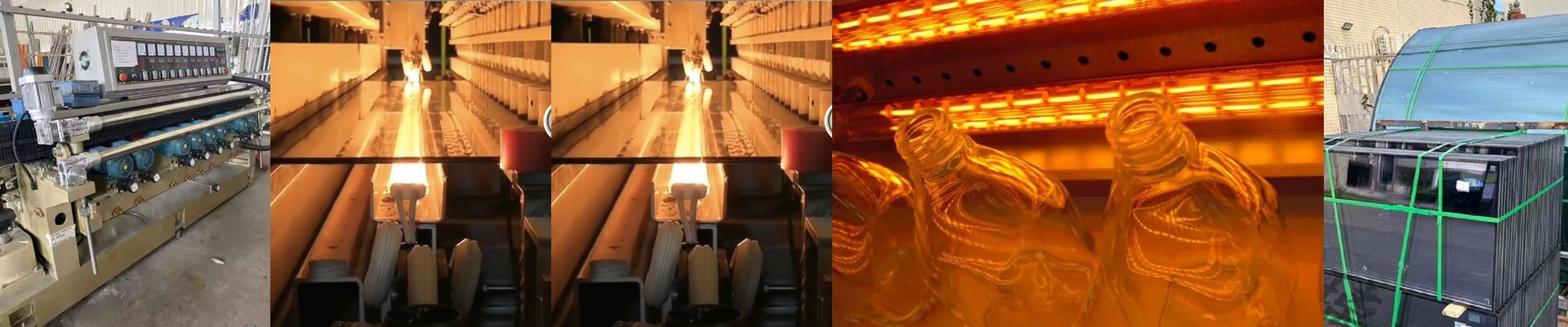
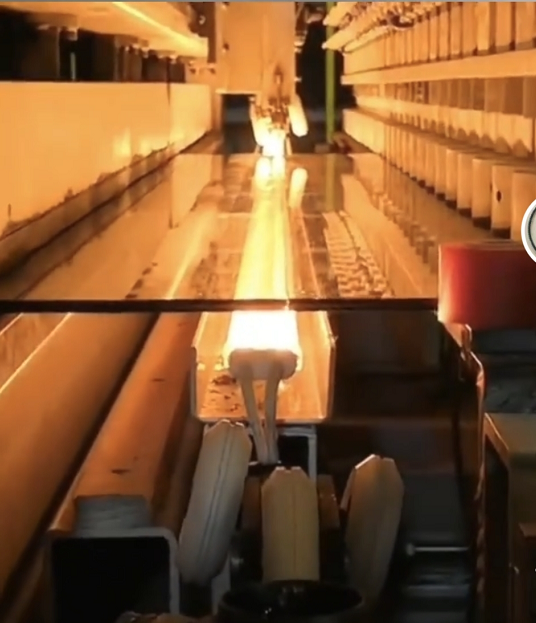
Glass annealing is all about the heat. You need those thermal gradients just right to get rid of internal stress, or you’re looking at a lot of wasted material. We use shortwave IR lamps because they punch through the glass surface fast. But if you ask any plant manager, they’ll tell you the heat isn’t the hard part. The real nightmare? The power grid.
The Voltage Headache
Here’s the thing: you can’t just jam a 110V lamp into a 480V industrial line. It won’t work. Actually, it’ll just burn out in a heartbeat. That’s why we build our lamps to match whatever voltage your site is actually running. If you’re running a small lab setup, 110V is usually fine. But once you move to those massive annealing tunnels, you’re looking at 480V or 575V. Why the jump? Because higher voltage lets us push way more wattage through the filament. It means we don’t have to use those thick, chunky cables that are a total pain to route through a tight machine. Plus, if you’re shipping a machine across the border to Canada or the US, you’ve got to spec your lamps for the local grid. We handle all three standards, so you can just drop them in and go.
The Trade-off: Heat vs. Wear
We use high-purity quartz envelopes to handle the brutal temperatures required for annealing. When we crank the wattage to hit those soak temperatures, the heat density is intense. But there’s a catch. A high-wattage, high-voltage lamp gets your glass up to temp faster. That sounds great, right? But it also puts a lot more stress on your wiring and reflectors. You’ve got to make sure your cooling fans and heat sinks can actually keep up with the ambient heat. If your cooling is weak, the ends of the lamp will overheat and fail. It’s that simple.
Making it Fit
Wiring shouldn’t be the part of your day that gives you a migraine. We offer a few different end-cap options to make things easier. Whether you prefer a standard slide-in or you need heavy-duty lead wires, we match the lamp to the sockets you already have. It stops arcing in its tracks and keeps the connection stable, even when you’re running 24/7.