


Stop Wasting Power on Your Glass Annealing
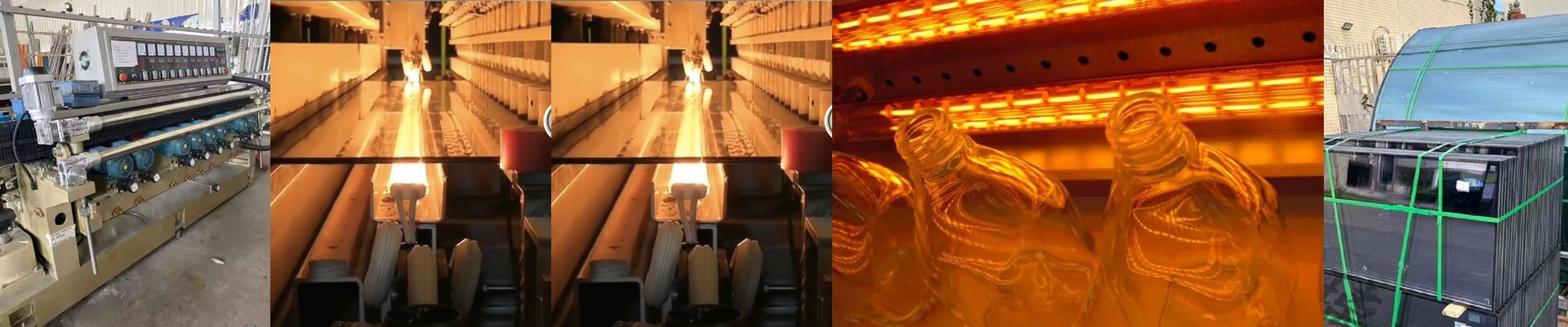
Let’s be honest: glass annealing is a total power hog. Most traditional ovens are basically giant heat leaks. You end up spending a fortune just to warm up the air inside the chamber before the glass even starts to feel it. It’s a waste of time and a waste of money. That’s why we use twin-tube infrared lamps. Instead of fighting to heat the whole room, we just point the heat right at the glass. Why the twin-tube setup actually works Think of it this way. A single-element lamp has to work overtime to hit your target temperature, which usually means pushing the filament to its absolute limit. That’s a recipe for burnout. With a twin-tube design, you’ve got double the radiating surface in the same amount of space. You hit those temperatures way faster, but you aren’t stressing the equipment. Plus, the heat spreads out more evenly. This is huge because it stops those annoying internal stress points that make your glass crack when you least expect it. The nitty-gritty (and where people mess up) These lamps are built for high-density heat. The shortwave emission doesn’t just sit on the surface; it sinks right into the molecular structure of the glass. It’s fast. Really fast. But here is the catch: you can’t just plug these into any old outlet. These arrays pull a lot of current. If your wiring is too thin, you’ll get a voltage drop, and your heating ramp will crawl. And a pro tip?**Watch your venting.**Because these lamps are so intense, they generate a ton of heat around the ends. If you trap that heat, you’ll fry your connectors and kill the tube’s lifespan. Give them room to breathe. What this does for your wallet The biggest win here is the clock. You can cut your warm-up cycle from hours down to minutes. You stop paying to heat the walls of your oven and start focusing on the product. Most plants we work with see their annual electricity bills for annealing drop by about 20% to 30% once they ditch the old resistive heaters. If you’ve already got standard IR frames, these are usually a simple swap—as long as your length and wattage match up, you’re good to go.