

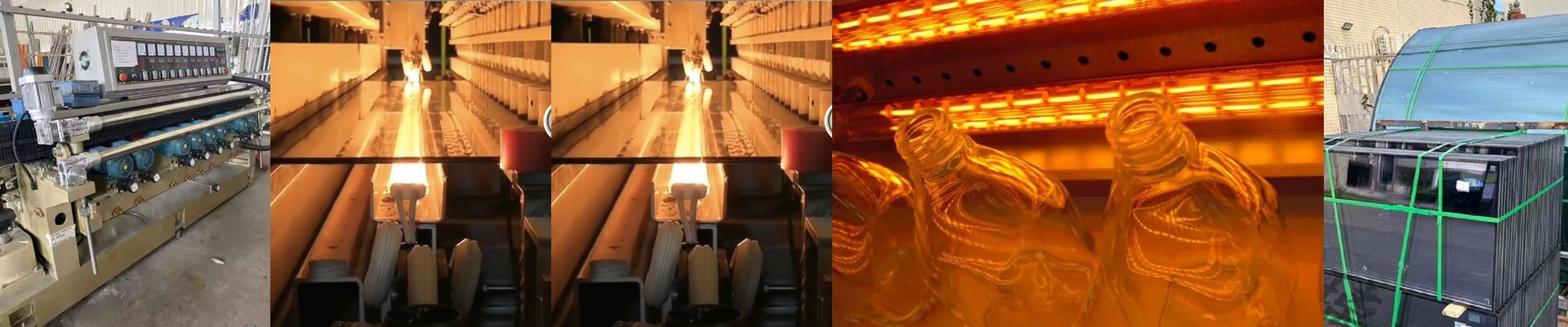

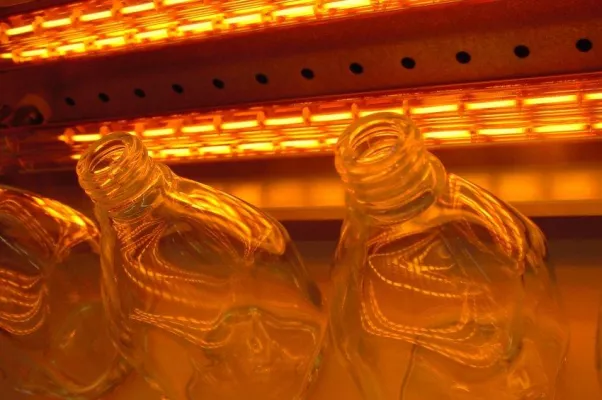
Cutting through ultra-thick glass is a fight. Plain and simple. When you try to push a cutting wheel through heavy stock, the resistance is brutal. You can feel it in the machine. That massive amount of pressure doesn’t just make the break jagged—it kills your tools. Your cutting wheels burn out way too fast because they’re fighting a losing battle against a rigid, cold surface. We found a way around this using high-penetration infrared (IR) annealing lamps to warm up the path before the blade ever touches the glass. Here is the trick: standard heat lamps only warm the surface, which doesn’t do much for thick glass. You need shortwave IR. This stuff actually sinks deep into the glass. By hitting the cutting line directly, we raise the temperature just enough to ease the internal stress. We aren’t melting the glass—we’re just making it “softer.” It’s the difference between trying to carve through a frozen block of butter and one that’s been sitting on the counter for ten minutes. Your tools will thank you. When the glass is pre-heated, the friction vanishes. You aren’t fighting that brittle, stubborn surface anymore, which means way less chipping and a much longer life for your wheels. You simply get more meters out of every single cutter. But you can’t just throw these lamps into a frame and call it a day. They put out an intense amount of heat. If you aren’t careful, you’ll warp your machine rails and ruin your alignment. We always suggest adding a cooling blower to the lamp mounts. It keeps the heat where it belongs and stops the cutting head from drifting. One last tip: wire those lamps to a PID controller. If you let the temperature spike too high, you’re asking for trouble. Too much heat creates its own kind of stress, and you’ll end up with glass that spontaneously cracks after the cut. Keep the heat locked onto the path, and you’ll get a clean, satisfying snap every single time.