



Stop Gambling With Part Numbers
Buying a quartz glass sleeve just because the part number matches is a bit of a gamble. Most engineers treat these things as simple consumables—like replacing a lightbulb. But here’s the thing: a sleeve is actually a critical thermal interface. When we say we prefer a “consultative” approach, all that really means is that we stop staring at a spreadsheet of SKUs and start looking at your actual heat flux.
The messy physics of it all
We use quartz because it handles heat well and lets light through. Simple, right? Not exactly. The thickness and purity of that glass change everything about how your lamp radiates. If a sleeve is too thick, it sucks up too much energy. To make up for it, your filament has to run hotter just to hit the target temperature. That’s a fast track to a premature burnout. Then there’s the air gap. If the space between the lamp and the sleeve is off by even a single millimeter, you get hot spots. Those spots create thermal stress, and the next time you cycle the power, the glass just cracks.
Power, footprint, and the “pop”
High-wattage setups are picky. They need the voltage to be spot on. If you accidentally wire a 230V lamp into a 400V system?**Pop.**Gone instantly. On the flip side, if you under-volt, you lose the infrared intensity you need to get your PET blowing or curing done on time. We also take a hard look at your current setup. We check your connectors—the R7s or Sk15s—to see if they’re oxidizing. When heat soak kicks in, oxidation builds up, resistance climbs, and your output drops. It’s a quiet killer for your efficiency.
No such thing as a free lunch
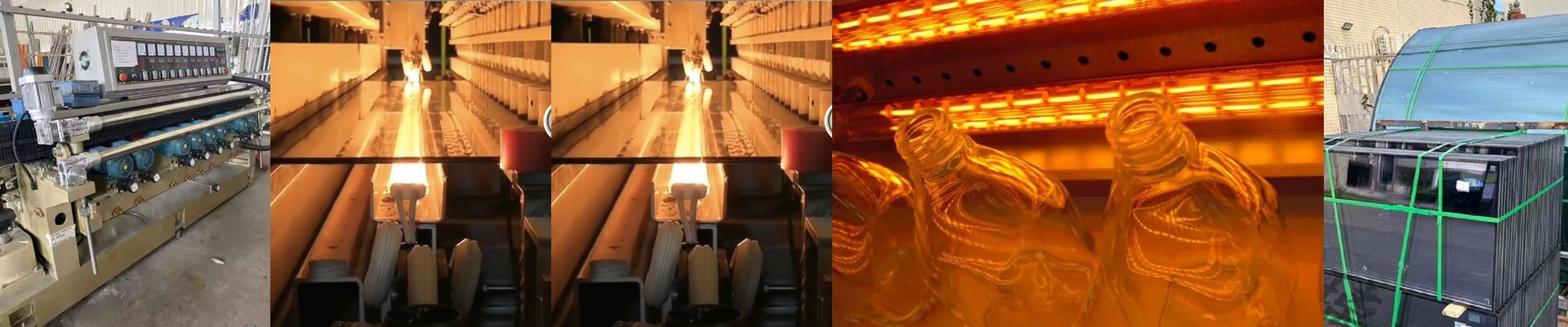
High-density quartz solutions move a massive amount of heat. But that comes with a price. Pushing more thermal output puts a huge strain on your cooling fans and your chassis. If your ventilation isn’t built to handle those extra BTUs, you’re going to end up warping your reflectors. That’s why we don’t just ship you a tube and wish you luck. We diagnose the heat load first. We want to make sure your new replacement doesn’t accidentally kill the hardware around it.