
Fixing Those Pesky Cold Spots in Glass Annealing
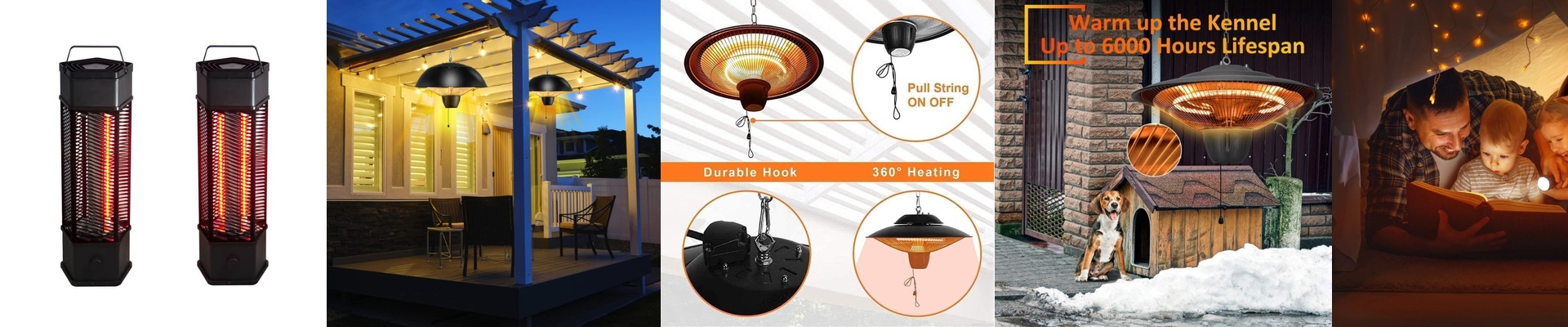
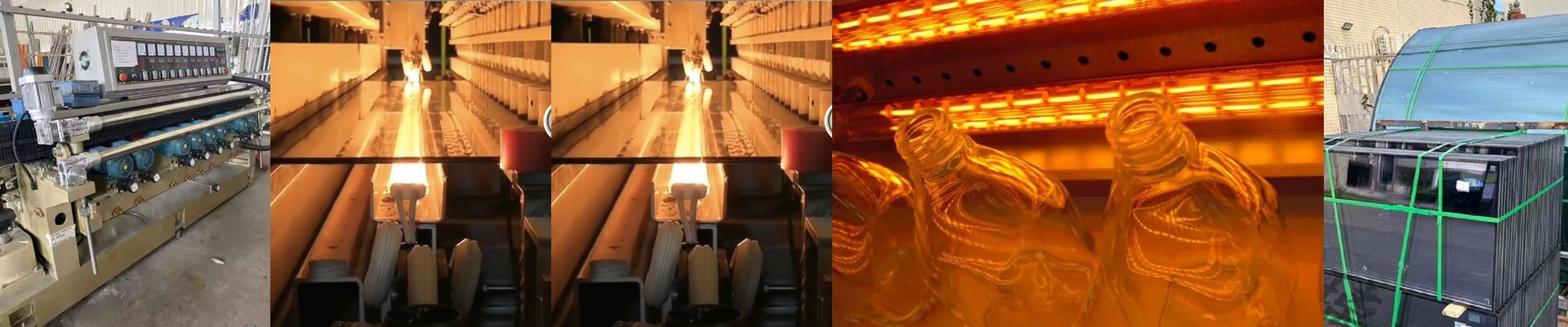
If you’ve ever worked with glass containers that have weird shapes or complex curves, you know the headache of “dead zones.” You’ll find these cold spots in your annealing lehrs where the glass just won’t hit that soak temperature. The result? Internal stress and bottles that shatter way before they should. We’ve found that the best way to kill those gaps is with short-wave infrared (IR) heating. Getting heat where it actually needs to go Standard convection heating is okay, but it struggles with deep recesses or those tight bottle necks. Air just doesn’t always get in there. IR lamps are different because they don’t rely on the air; they beam energy directly onto the glass surface. By tweaking the wattage and the length of the quartz tubes, we can push heat right into those “thermal shadows” created by the shape of the container. Now, you can spec these lamps for high-density output if you’re dealing with thick-walled glass. Just a heads-up: if you crank up the wattage without dialing in your conveyor speed, you’re asking for localized overheating. The gear under the hood We use high-purity quartz envelopes because they can take the beating of the extreme thermal cycling inside a kiln. We also use a halogen cycle to keep the tungsten filament from evaporating onto the tube walls. This keeps the light clear and the heat strong for thousands of hours. For the really tricky shapes, we usually set these up in custom arrays. Whether you’re using R7s or Sk15 connectors, the idea is to make them a simple drop-in. You shouldn’t have to rip out and rewrite your entire electrical layout just to get them working. Making it work in the real world When you’re wiring these into a lehr, placement is everything. To really wipe out those dead zones, we overlap the radiation patterns. It creates a sort of uniform thermal blanket that wraps around the glass. One thing to watch out for: high-output IR arrays put off a lot of ambient heat. If your cooling fans aren’t beefy enough to handle the total wattage of the lamp bank, you’ll end up frying your control relays. It’s all about balancing that heat load with your airflow to keep everything stable.