


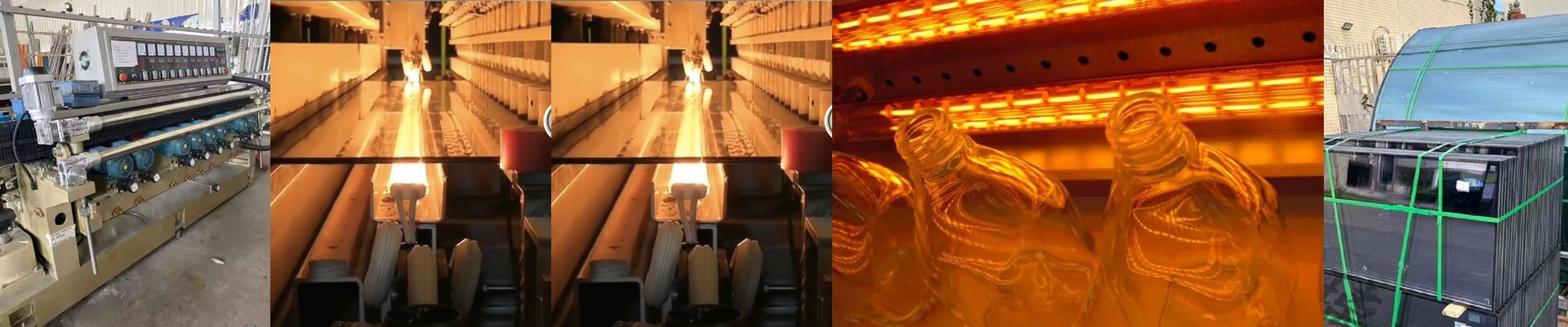


Cutting through ultra-thick glass is a nightmare for your hardware. If you try to score those heavy slabs cold, your cutting wheel just takes a beating. You’ll see it almost immediately: the edges start chipping and the wheels burn out way faster than they should. It’s frustrating and expensive. To stop this, we put high-penetration shortwave infrared (IR) lamps right in the cutting path. Here is why that matters. Thick glass is basically a giant heat sink. If you use standard heaters, you’re just warming the surface, which doesn’t do a thing for the stress locked inside the plate. Shortwave IR is different—it actually sinks deep into the glass. By hitting the cutting line directly, the lamps warm the glass just enough to loosen things up. You aren’t melting anything here. You’re just softening those molecular bonds along the score line so the diamond wheel doesn’t have to fight so hard. And that’s where the magic happens. When the glass is pre-softened, the wheel just glides. It stops fighting the rigidity of the material. Because there’s less friction, the wheel stays sharp for way more cycles. It’s a simple shift in physics that saves you a ton of money on consumables. But, you have to be careful. These lamps dump a massive amount of energy into a tiny space. Timing is everything. If the lamp stays on too long or the head crawls too slowly, you’ll end up with thermal shock or random cracks that you can’t control. You’ve got to make sure your PLC syncs the IR intensity perfectly with the speed of the cutting head. And a pro tip: check your cooling fans. If they aren’t built to handle the heat these lamps throw off, you’ll fry your sensor cables before you even realize there’s a problem.