
Fixing Those Pesky Cold Spots in Glassware Annealing
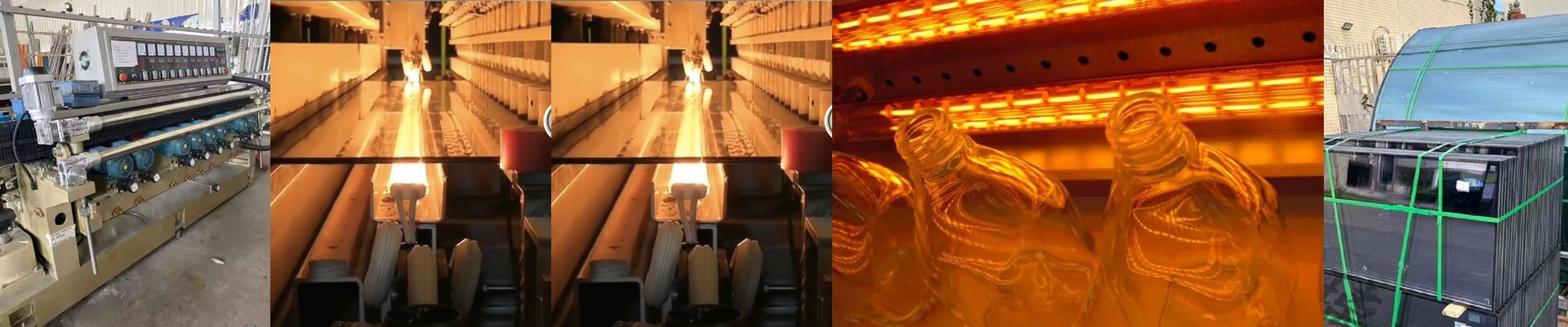
If you’ve ever tried to anneal a wine glass, you know it’s a total nightmare. You’ve got this wide, open bowl on one end and a skinny little stem on the other. The problem is that heat just doesn’t like to move evenly across those shapes. You end up with “cold spots.” While the bowl is sitting pretty at the right temperature, the stem is lagging behind. That temperature gap creates internal stress, and before you know it, your glass is cracking. It’s frustrating. To fix this, we stopped relying on standard convection or resistance heating. Instead, we started using targeted short-wave infrared (IR) arrays.
Why IR actually works where air fails
Here’s the thing about convection: it relies on air. And air is lazy. It tends to flow right past that narrow neck of the glass instead of heating it. IR radiation is a different beast. It doesn’t need air to carry the heat; it just shoots energy directly onto the glass surface using electromagnetic waves. By setting up the IR lamps in a multi-angle array, we can hit the bowl and the stem at the exact same time. The result? The whole piece hits the annealing point together. No more overheating the thin parts just to get the thick parts warm.
Picking the right gear
If you’re dealing with thick-walled bases, you need some real muscle. We use high-wattage quartz halogen lamps because they react fast. Really fast. You can crank the temperature up or drop it down in a matter of seconds. Compare that to those old ceramic elements that take forever to warm up, and it’s a night-and-day difference for your workflow. We stick with short-wave emitters because they soak deeper into the glass. But a word of warning: this much heat means your reflectors have to be spot on. If your gold or aluminum reflectors are even slightly off, you’ll get hot spots that can warp your glass. It’s a delicate balance.
The catch: Power vs. Lifespan
There is a trade-off, though. Pushing these high-output lamps puts a lot of strain on your electrical connections. If you want to avoid burning out your contacts during those constant heat cycles, go with heavy-duty R7s or SK15 bases. They can take the heat. And just keep in mind that if you run your lamps at max wattage all the time, you’re going to burn through filaments faster. You get the speed, but you’ll be swapping out tubes more often. I usually suggest balancing the wattage to the actual load of the glass. It keeps your maintenance schedule from becoming a full-time job.