
Stop Messing Around with Single Lamps
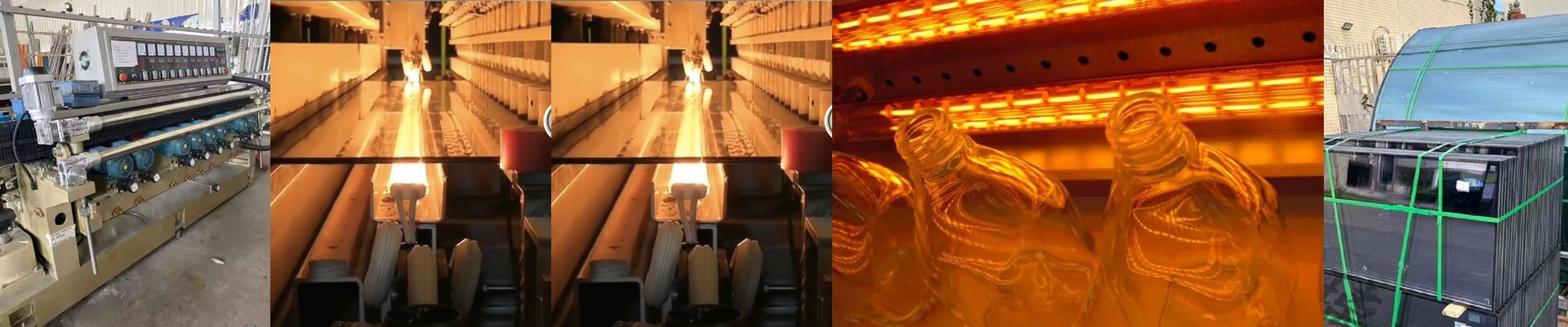
Buying a few cheap glass annealing lamps is the easy part. The nightmare starts when you try to actually fit them into a production line. We’ve seen way too many shops spend weeks wrestling with wiring and trying to hand-build reflectors, only to find out they’re still missing their temperature targets—or worse, they’re burning out their tubes. It’s a massive waste of time and a huge headache for your team.
Why we switched to modules
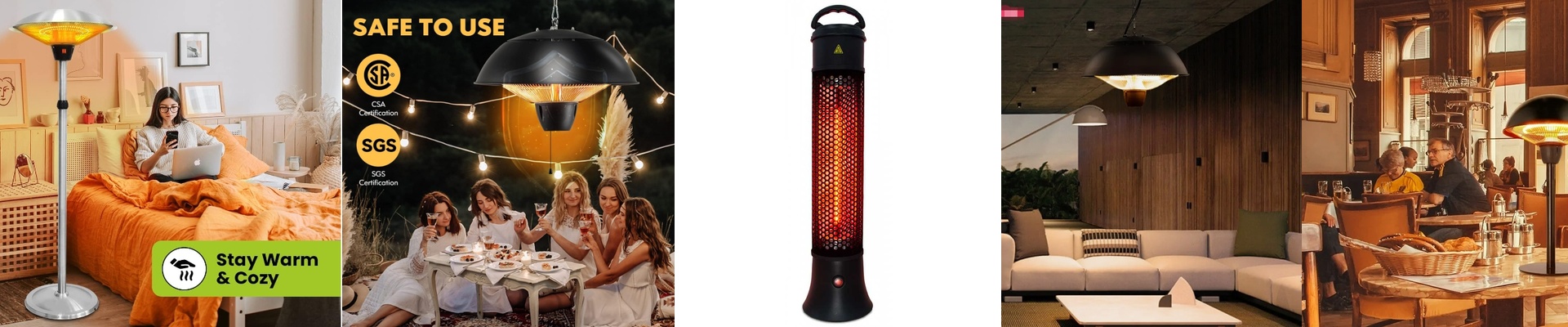
We stopped focusing on selling single tubes for a reason. A lamp by itself is just a part, but a curved heating module? That’s a tool. When the lamps are already built into a pre-engineered curved assembly, you don’t have to guess where the focal point is. You just get a steady, consistent heat across the glass. No more “cold spots” that cause internal stress and make your glass crack right when you think you’ve got it right.
The trade-off: Heat vs. Space
Here’s the thing about high-wattage shortwave lamps: they’re great for getting curved glass up to temp fast. But there’s a catch. If you pack these into a tight module to save space on your floor, you’re creating a lot of ambient heat. If your cooling fans or shielding aren’t up to the task, your connectors will start to degrade. We use high-temp wiring in our modules to help handle the heat, but you still need to make sure your machine’s ventilation can breathe.
Just plug it in and go
The real win here is that you get a drop-in replacement for your heating zone. We take care of the lamp spacing, the reflector shapes, and all the electrical terminations. You can stop playing electrician and get back to focusing on your ramp-down cycles. It turns a multi-day installation into a few hours of work. You plug it in, tweak your PID controllers, and you’re back in business.