

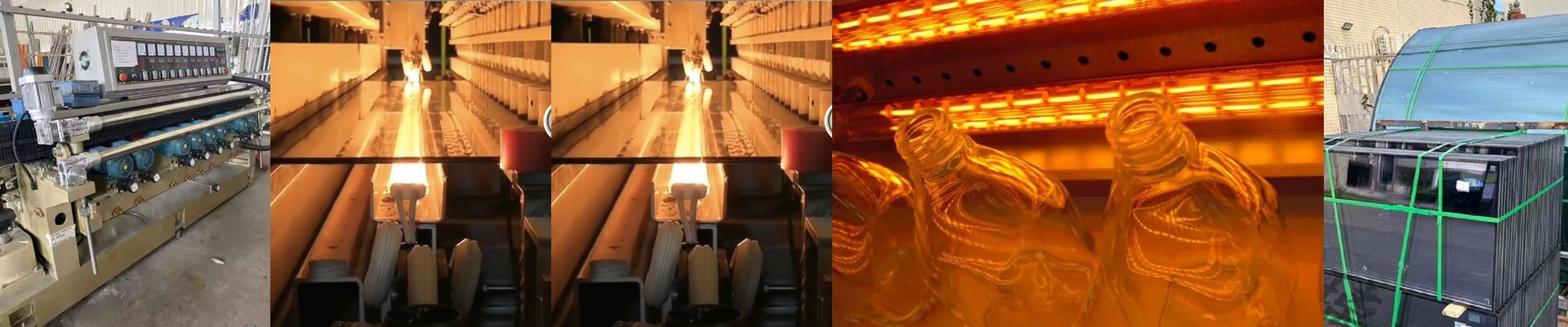
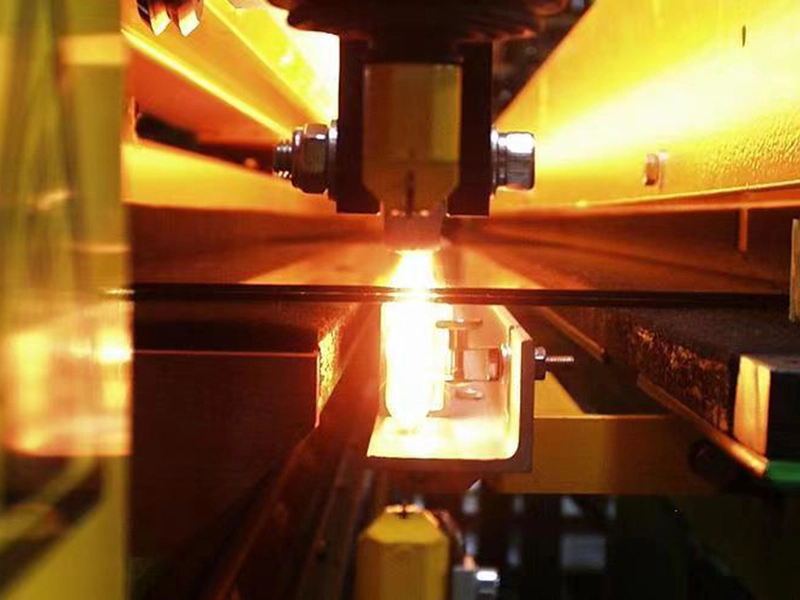
Out on the line, thick glass stacks sit waiting, and the clock is already ticking. If the preheat profile drifts even a little, the first cut comes out jagged or the edge cracks later in bending. That scrap isn’t just glass—it’s furnace time, labor, and a schedule that’s already slipping. We built this thick glass cutting preheater to stop that chain reaction before it starts. What matters under the hood This unit leans on short-wave infrared quartz emitters to drive heat into low-emissivity glass fast, without scorching the surface. A tuned reflector array lays down a uniform thermal field across the cutting zone, so the glass hits a steady 180–220°C quickly and evenly. The payoff is predictable local softening, cleaner fracture propagation, and fewer micro-cracks that sneak through after scoring. Input power is matched to line speed—dense heater layouts for large sheets, focused zones when you’re running thicker stacks. PID control with thermocouple feedback keeps dwell time tight and repeatable. Why it plays nice with the rest of the process In bending, uniform preheat cuts down on thermal gradients, so the glass drapes consistently and warp stays off the table. In tempering, the furnace gets a repeatable inlet temperature, which stabilizes heating and cooling cycles and trims variability in fragmentation testing. In lamination, the same module can be reconfigured for pre-heat and pre-press, shortening the cure ramp and tightening the bond line. For coating drying, the fast response and even heat reduce solvent retention and pinholes. The result is fewer rejects, higher throughput, and lower kWh per part because the heating window lands—on time, every time. A few shop-floor details you’ll appreciate The preheater needs a clean, dry power feed and a dedicated cooling path for the emitter mounts. Airflow and reflector condition directly impact uniformity, so keep an eye on both. Clearance around the glass path matters, too—keep conveyor guides and sensors out of the hot zone so you don’t create shadows. It drops into most existing cutting lines, but we match voltage, connectors, and the control interface to your machine so the swap takes a shift, not a week.