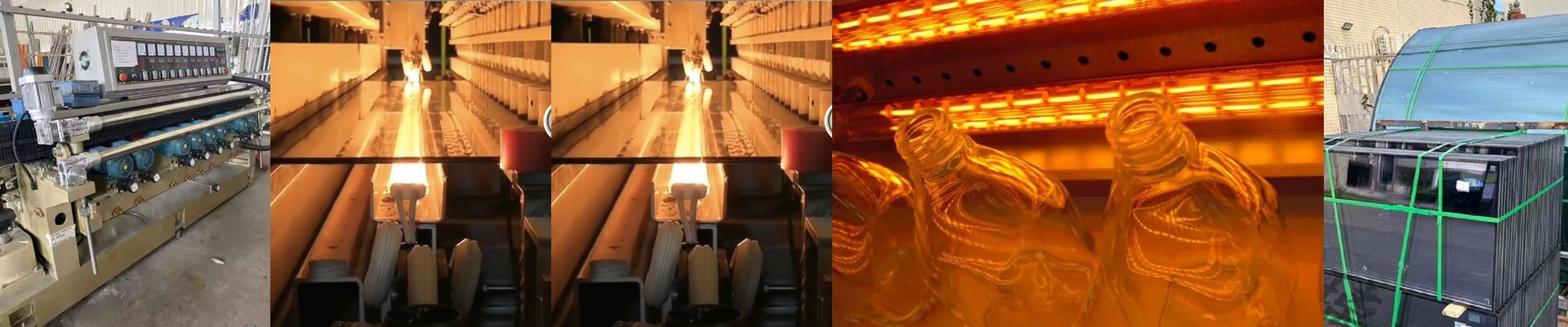



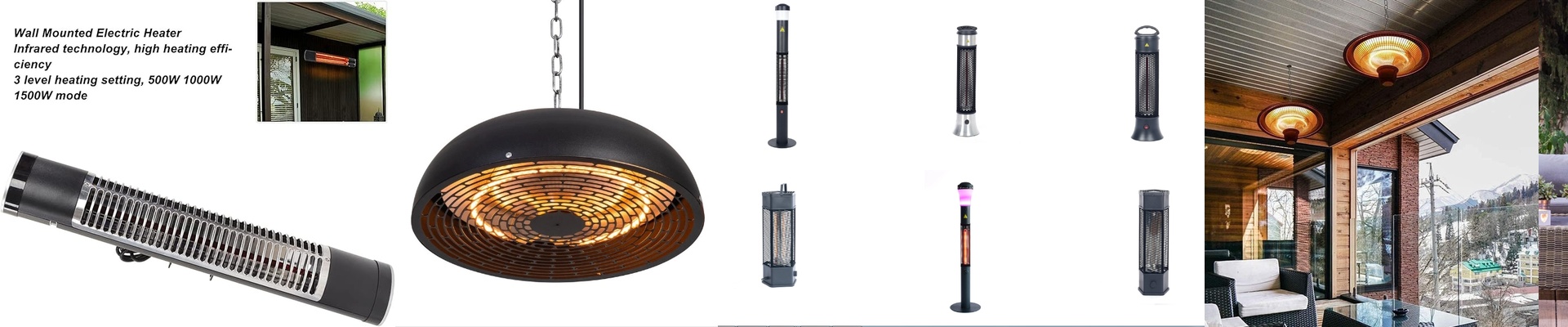
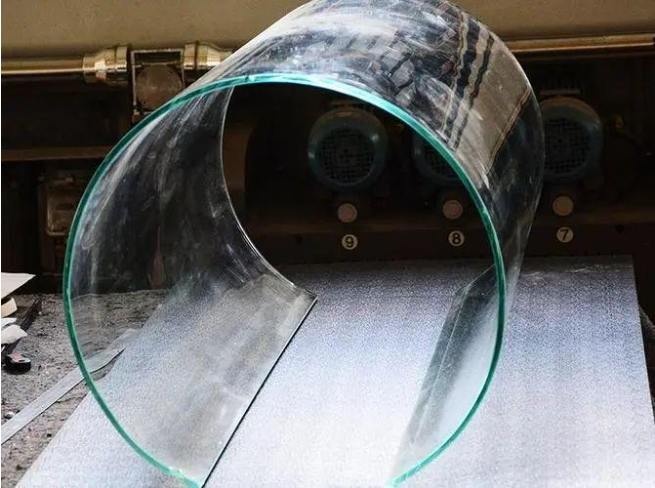
On the glass line, furnace minutes are money. Every extra second of heat or idle time costs yield, and when the thermal cycle drifts, you pay for it in warp, optical distortion, or worse—thermal stress cracks that scrap the whole sheet. We built our industrial heating modules to tighten the bending cycle without pushing quality off the table. What matters under the hood We run short-wave quartz infrared emitters, dumping energy straight into the glass surface with tight spectral control and low thermal inertia. That gives you fast ramp-up and clean control of soak zones, so the thermal profile stays repeatable shift after shift. The specs are matched to what’s actually running on the floor: 240–480 V inputs, modular emitters that drop into standard mounting geometry, and terminals that can take the pounding from conveyor vibration. Uniformity comes from spacing and reflector geometry you can measure, not from vibes. The whole glass surface sees the same heat flux. Why this plays in the real processes In hot bending, you need the glass to hit the softening window fast, then hold even while the shape sets. These modules shorten the ramp, steady the soak, and reduce cool-down variability—minutes come off the cycle. In tempering preheat, they get the sheet to a homogeneous temperature quicker, which cuts down roller waves and thermal shock risk. For lamination and coating drying, the heat is even and controlled, so adhesion and cure are consistent—fewer bubbles, less haze. Energy use drops because the emitters heat on demand and cool fast, so you’re not wasting power during idle. The field details you can’t skip These modules are built to drop in on a lot of OEM frames, but line voltage, busbar spacing, and control interfaces still vary. Confirm compatibility with your bending furnace or oven before you hang them, and plan for proper alignment and emissivity checks on the glass. Set it up right, and the thermal cycle stays stable and repeatable—fewer scrap sheets.