
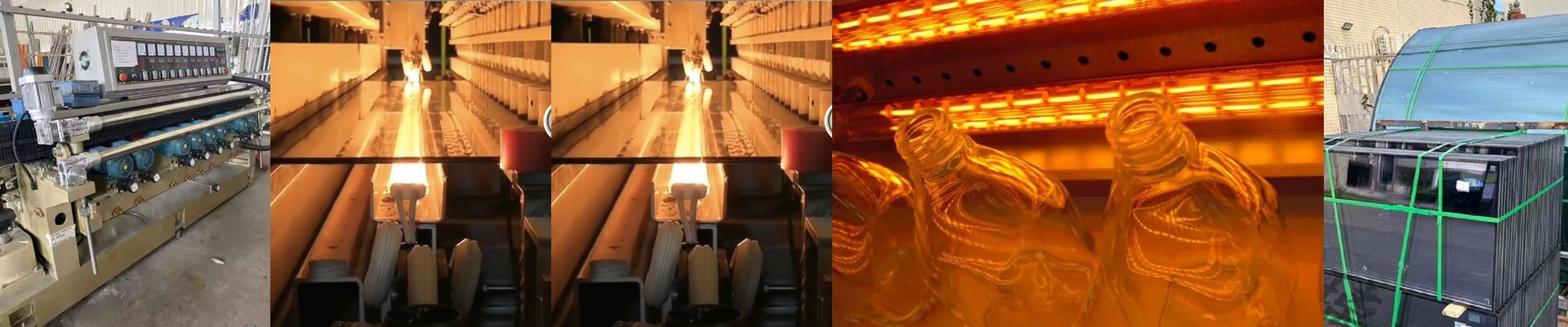

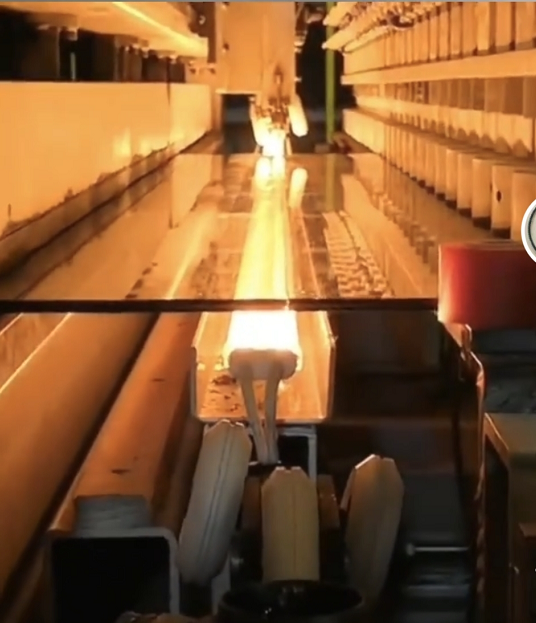
On the line, the preheater isn’t an accessory—it’s the gatekeeper for yield. Send glass into tempering, bending, or lamination with a cold edge, and thermal stress shows up as hairline cracks, optical distortion, and rejected lites. You pay for that in scrap, rework, and schedule misses. We built this preheater to stop those losses at the source. What matters under the hood We use short-wave infrared (SWIR) quartz emitters to put heat directly into the glass surface, fast, without overdriving the furnace or leaning on convection. That gives you a tight, uniform thermal field and keeps edge-to-center spread under control. Control is PID with SCR power, holding setpoint within ±2% across the load. Modules are sized for 208–480 V systems and engineered as drop-in replacements for common OEM footprints, so you keep your existing line spacing and conveyor interface. Here is the thing: in tempering, uniform preheat lowers thermal stress before the quench, which cuts edge fractures and roller wave defects. In lamination, consistent preheat tightens the EVA/SGP/PVB outgassing window—cycle comes down, optical clarity comes up. In insulating glass, it stabilizes the primary seal, so you see fewer rejects from bubbles and weak adhesion. The net result is more good glass per shift, fewer stops, and lower energy per part because the heater gets up to temperature quickly and holds steady. A few practical details you’ll want to get right. The emitter face runs hot, so clearance to conveyor components and nearby insulation matters—we provide a clearance map per model. Expect a short burn-in period while the emitter stabilizes; output drifts less than 3% over the first 500 hours. And match the glass emissivity and line speed to the preheater’s response time. When those line up, the unit performs the way it was designed.