
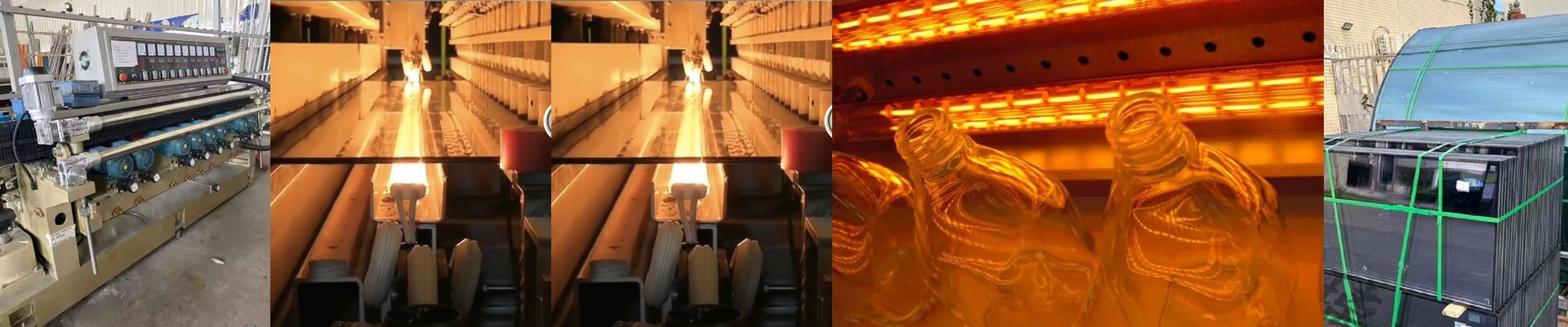

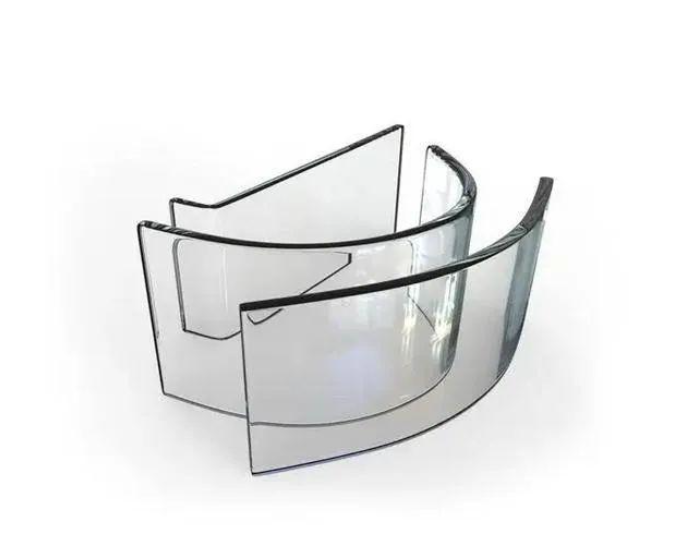
On the line, one missed temperature window and you’re turning glass into scrap—either a warped bend or a part that cracks in temper. Tablet glass bending heaters are built to keep the heat profile stable, repeatable, and fast, so your cell isn’t chasing every batch. What matters technically is the same thing that matters when the furnace doors open: control you can count on. We run short-wave quartz emitters because they respond fast and hold tight. The heater lays down a uniform thermal field across the glass surface, which cuts thermal stress and keeps edge roll-off in check. The output is matched to industrial power supplies, with terminals and shielding that take high-current cycling without getting finicky. Temperature repeatability stays within a narrow band, so the same profile gives you the same shape, cycle after cycle. Here’s why it holds up in real work. In hot bending, the heater hits setpoint quickly and holds it. That gives you consistent sag and a clean contour, without cooking the mold. For tempering preheat, it brings the sheet up evenly, so the quench starts from a uniform state. That means fewer optical defects and fewer breakouts. During lamination—EVA, SGP, PVB—it drives the adhesive through the cure window without hot spots, so edge bond quality stays solid. For coating drying, it strips solvents fast while keeping the film level. Dwell time drops, and so does rework. The short version? More yield, fewer rejects, and less downtime. A couple of practical notes. These heaters run hot at the surface, so clearance to surrounding components and insulation matters. Check your mounting tolerances and the airflow path before you install. They’ll talk to common controllers, but the tuning has to match the load. Set ramp and soak with the actual glass thickness and emissivity in mind, not just the nominal recipe. You’ll get faster warm-ups than convection, but plan for thermal expansion and make sure service access is real. Keep wiring flexible and shielded from heat soak.