

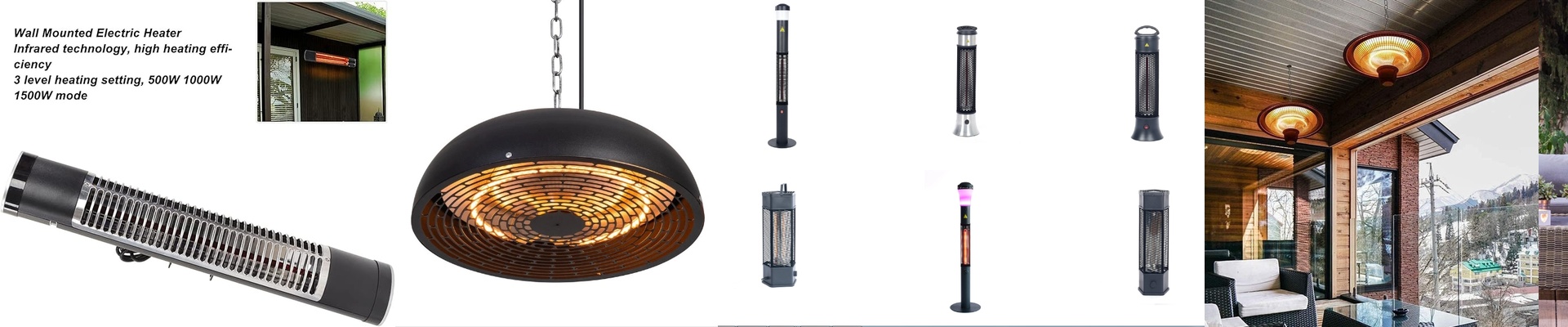
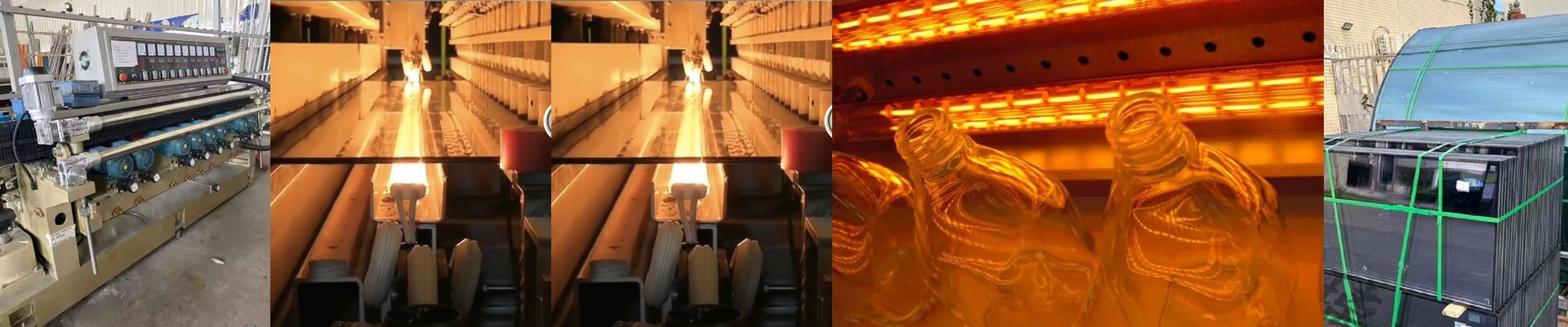

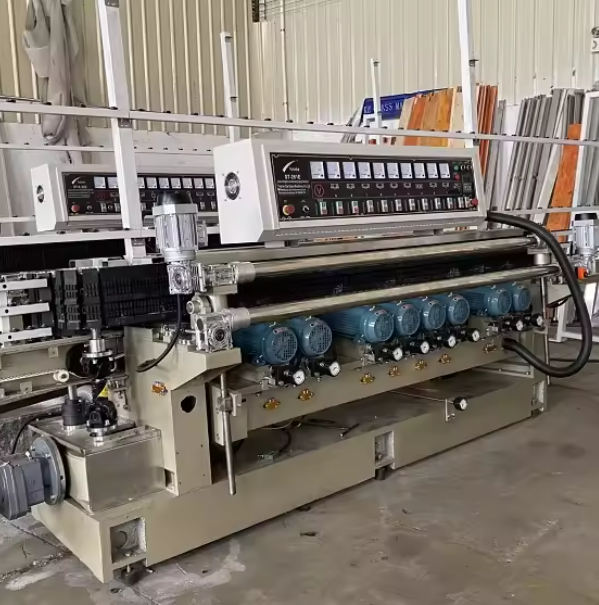
On the line, the nip roller is where the glass and the machine shake hands. If that contact point runs cold, the glass takes a sharp thermal shock. You end up chasing stress fractures after tempering, and throughput tanks while you sort rejects. We built the nip roller preheat module to put heat exactly where it matters, with control that keeps pace with the glass.
What matters, technically
We lean on short-wave infrared (SWIR) quartz emitters for fast, direct energy transfer, tuned to glass emissivity. You get a quick temperature rise without heating the surrounding frame. Each module is specced to your line voltage and footprint, laid out dense and low-profile to fit tight nip zones. Power density is calibrated to give a uniform thermal field across the roller face, so you don’t create hot spots that drive warp and stress. Response is immediate, so temperature tracks glass speed without lag.
Why it works in practice
On tempering and bending lines, the nip roller preheat keeps the glass surface at a stable preheat before the furnace or press. That means fewer edge failures, more predictable curvature, and consistent optical quality. In lamination, it closes the thermal gap between plies, so EVA/SGP/PVB flows evenly and voids drop. Energy use comes down because heat is applied only when the glass is present, not as idle standby loss. For insulating glass sealing, it helps maintain a steady bead temperature on the secondary seal, improving adhesion and long-term durability.
The practical details
Installation is straightforward, but alignment is tight. The module has to be set so the emitter field is even across the roller width; misalignment will give you a stripe of overheat that shows up as optical distortion. Expect a short commissioning window to tune power and dwell to your glass thickness and coating stack. Surface temperature can climb beyond safe handling levels during operation—guarding and clear labeling are a must. Set it up right, and the module runs for thousands of hours. When it’s time to swap, it’s a quick replacement that keeps the line moving.