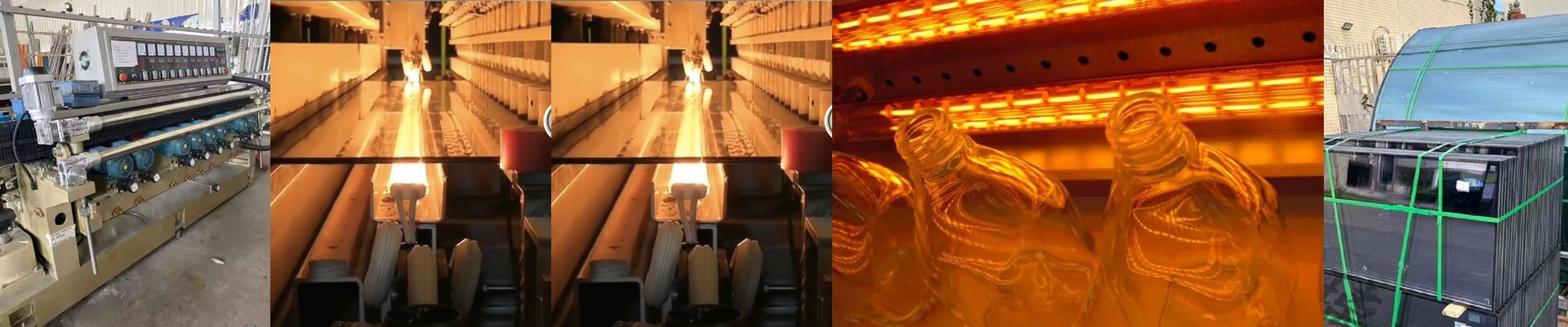




Cutting through ultra-thick glass is brutal on your equipment. If you’ve ever tried to score a cold, heavy plate, you know the feeling—the resistance is massive. It’s a fight. That struggle is exactly what kills your cutting wheels, chipping the carbide edges and leaving you with jagged, inconsistent lines. We found a better way. Instead of forcing the wheel to do all the heavy lifting, we use shortwave infrared (IR) lamps to pre-heat the path. Here is why that matters. Most heat lamps just warm up the surface, which doesn’t do much for thick glass. But shortwave IR actually sinks deep into the material. By targeting just the cutting line, we can relax the internal tension of the glass. It makes the material feel almost “softer” at a molecular level. So, when the wheel finally hits the glass, it doesn’t slam into a rigid wall. It glides. And your tools will thank you. Most wheels fail because of the sheer shock of hitting cold glass. By getting rid of that thermal shock, your tools last way longer. We’ve seen a clear link: the deeper the IR penetration, the more meters you can cut before a wheel burns out. Plus, you get a cleaner break and way fewer pieces ending up in the scrap bin. But you can’t just crank the heat to the max. If you overdo it, the glass gets too stressed and might just shatter on you without warning. It’s a balancing act between lamp power and how fast your conveyor is moving. You need a tight feedback loop—something like a fast-response PID controller—to keep the temperature right in that “sweet spot” where it’s soft enough to cut, but not so hot that it’s dangerous.