Fixing Those Pesky “Cold Spots” in Complex Glassware
If you’ve ever spent hours annealing a complex piece—think narrow-neck flasks or those tricky retorts—only to have it crack later, you know the frustration. It usually comes down to “thermal dead zones.” Standard convection or resistive heating is great for simple shapes, but it just can’t get into the tight spots. The heat doesn’t penetrate the geometry, the stress builds up unevenly, and pop. There goes your hard work. To fix this, we stop relying on hot air and start using targeted infrared (IR) lamps to fill in those gaps.
How to Actually Get Heat Everywhere
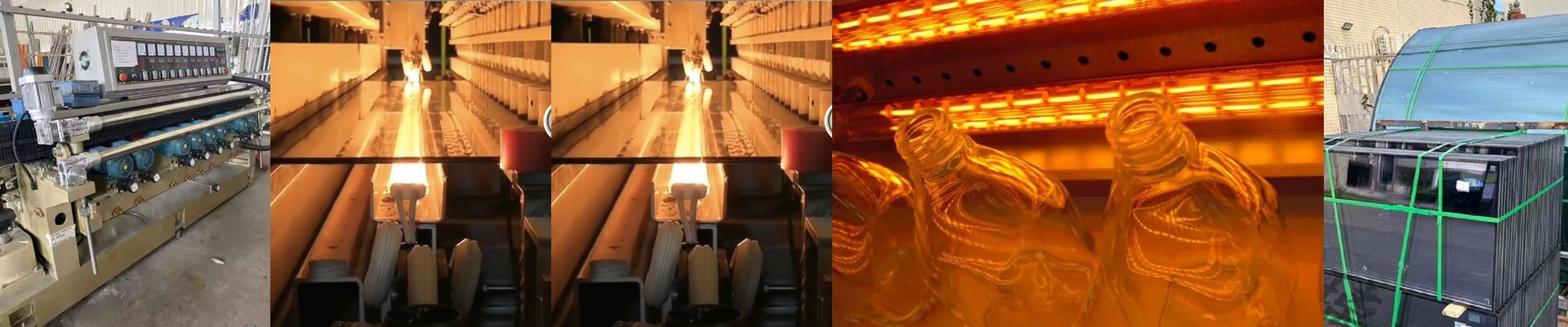
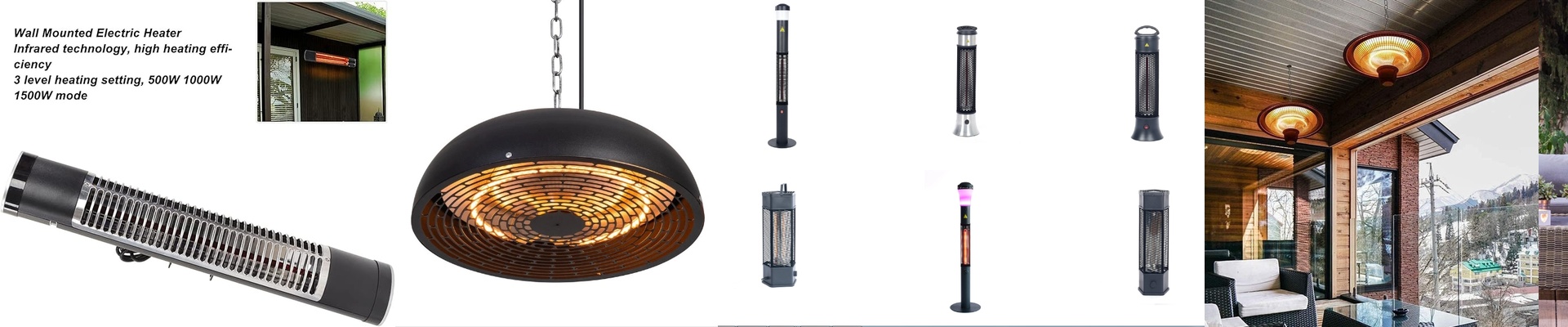
Here’s the thing: to hit every curve of a weirdly shaped container, you need short-wave IR radiation. Unlike hot air, which kind of just floats around, IR energy moves in straight lines and sinks deeper into the glass. We set these lamps up in a multi-angle array, which basically lets us bounce heat into the “shadows” of the vessel. It’s the only way to make sure the whole piece hits the annealing point at the exact same time.
Picking Your Gear
We usually go with quartz-halogen lamps. Why? Because quartz can handle the brutal heat of glasswork without warping. Plus, the halogen cycle keeps the filament from evaporating, so you aren’t replacing bulbs every other week. But you have to be smart about your power. High-wattage tubes get you up to temperature fast, but they’re thirsty. If you’re packing in a high-density array, double-check your controllers. If they can’t handle that initial surge of current when you flip the switch, you’re just going to blow fuses all day.
The Catch: Heat vs. Cooling
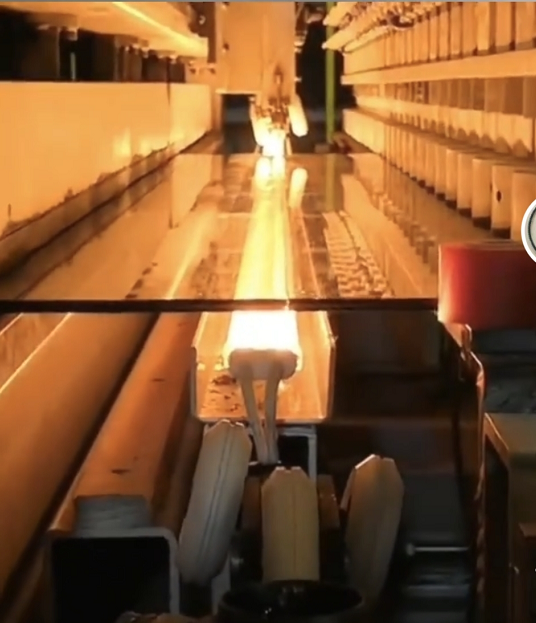
Direct IR heating is fast. Really fast. But that speed is a double-edged sword. If your glass just sits there, you’ll end up with localized hotspots. To stop that, you need to keep the piece moving—either with a rotating jig or a conveyor. And a word of warning: these lamps put out an intense amount of heat. Make sure your kiln’s outer shell and wiring are heavily insulated. If your cooling system isn’t built for that extra ambient heat, your control electronics will fry before the glass even sets.