
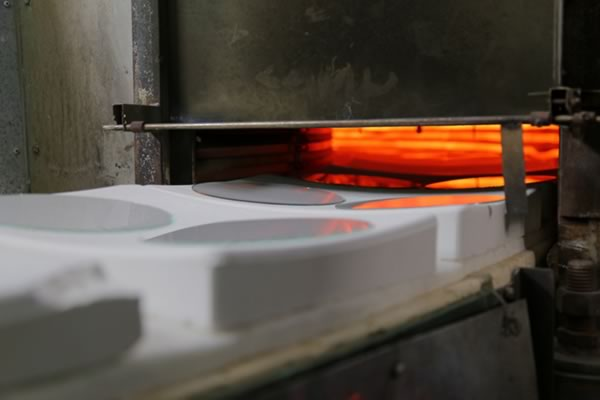
Fixing the “Cold Spot” Problem in Glass Tunnel Kilns
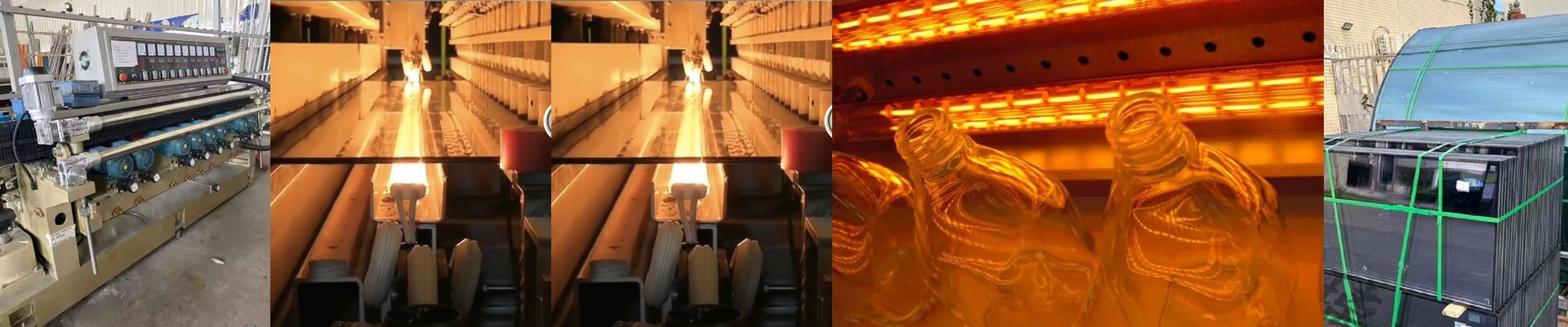
Most infrared lamps top out at about a meter. If you’re running a massive glass tunnel kiln, that’s a problem. Why? Because when you string those short segments together, you get these annoying cold spots at every single joint. It messes with your temperature consistency. To get around this, we build custom gold-coated emitters that stretch over 2 meters. No more patchwork. Just one long, continuous stretch of heat across your entire line. Why the gold? Here’s the thing: we add a thin layer of gold to the quartz envelope to change how the heat moves. Instead of letting energy bleed out into the kiln housing (which is basically just wasting money), the gold reflects that infrared energy straight down onto the glass. You get a much harder hit of heat and your ramp-up times drop. Yeah, the gold makes the initial price tag higher. But you’re paying for it in lower energy bills and better results. The struggle with 2-meter tubes Building something this long isn’t as simple as just stretching a tube. Quartz is finicky. If a 2-meter tube isn’t supported perfectly, it’ll bow or, worse, just snap. That’s why we’re obsessive about the mounting footprints. We make sure they fit exactly so there’s zero sagging. Then there’s the electricity. You can’t just plug these in and hope for the best. If you don’t calculate the voltage right, you’ll draw too much current, trip your breakers, or fry your leads. We usually tweak the wattage and voltage specs to keep things balanced. It stops those “hot spots” from popping up at the start of the circuit. Getting them in the door These are designed to be drop-in replacements, so they fit right into your existing arrays. We use heavy-duty industrial connectors because the last thing you want is an electrical contact burning out under high heat. Just a heads-up: be careful when you’re installing them. These tubes are long and fragile. One wrong move or a clumsy slip and you’ve got a cracked quartz tube on your hands. But once they’re wired up? The difference is night and day. The thermal gaps are gone, and your glass stays at a steady, uniform temperature from start to finish.