Killing the Cold Spots in Your Glass Annealing
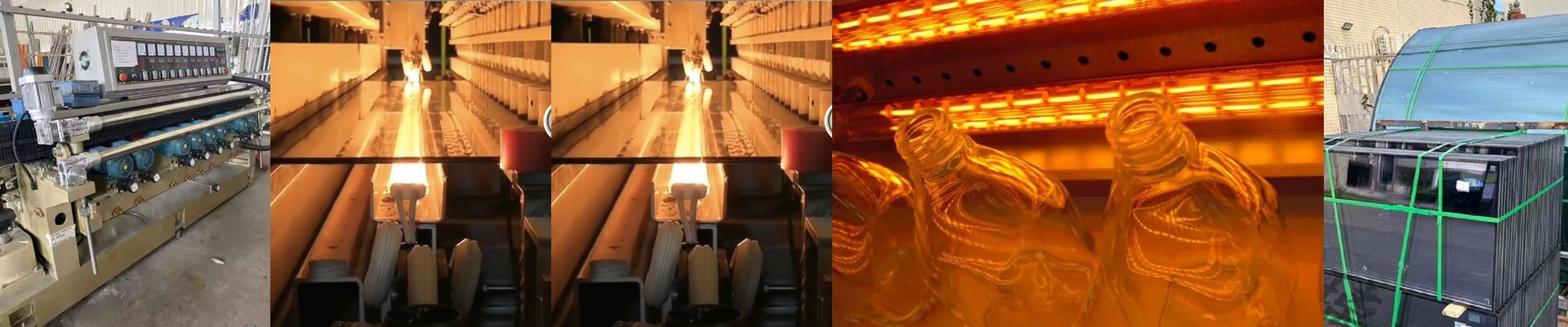
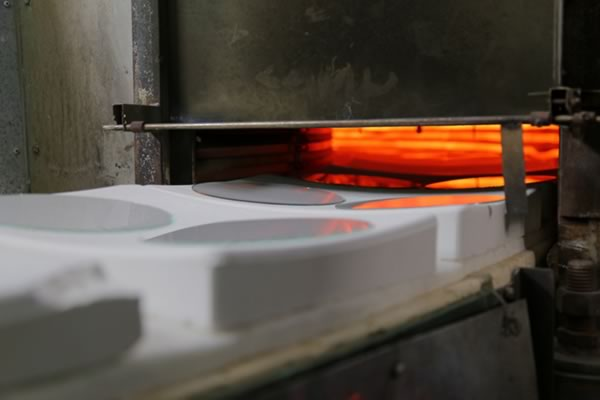
If you’ve spent any time with an annealing kiln, you know the frustration of “dead zones.” You pull a piece out, and it looks great—until you realize there’s a cold spot where the shape of the vessel blocked the heat. One tiny temperature gap and you’ve got internal stress. Or worse, a crack. To fix this, you need a way to get heat exactly where it needs to go. That’s why I lean on the SK15 ceramic lamp holder. Why ceramics matter Here’s the thing about infrared lamps: they don’t just push heat toward the glass. A lot of that energy bounces right back at the holder. Most cheap metal clips just can’t handle that. They warp, they oxidize, and eventually, they just give up. But the SK15 is ceramic. It doesn’t care about the heat. It just sits there and does its job without burning out, which means you aren’t constantly swapping out melted hardware. Dealing with weird shapes Complex glassware creates shadows. It’s just physics. To get around those shadows, you have to hit the piece from a few different angles. The SK15 has a really tight footprint. Because they don’t take up much room, you can pack more lamps into your kiln walls. When you overlap those heat cones, the cold spots vanish. No more guessing games. A few things to watch out for Now, don’t just go crazy and cram as many lamps in as possible. High-density arrays put a massive load on your power. If you pack those SK15 holders too close together, your wiring looms can start to overheat. You’ll want to make sure your cooling fans and ventilation are actually pulling that excess heat away from the terminals. It’s a balancing act. My best advice? Stick to one standard. Using the same SK15 spec across the board makes life so much easier. When a lamp finally dies—and they will—you just pop in a replacement and get back to work. No downtime, no headaches, and your annealing cycle stays exactly where it should be.