

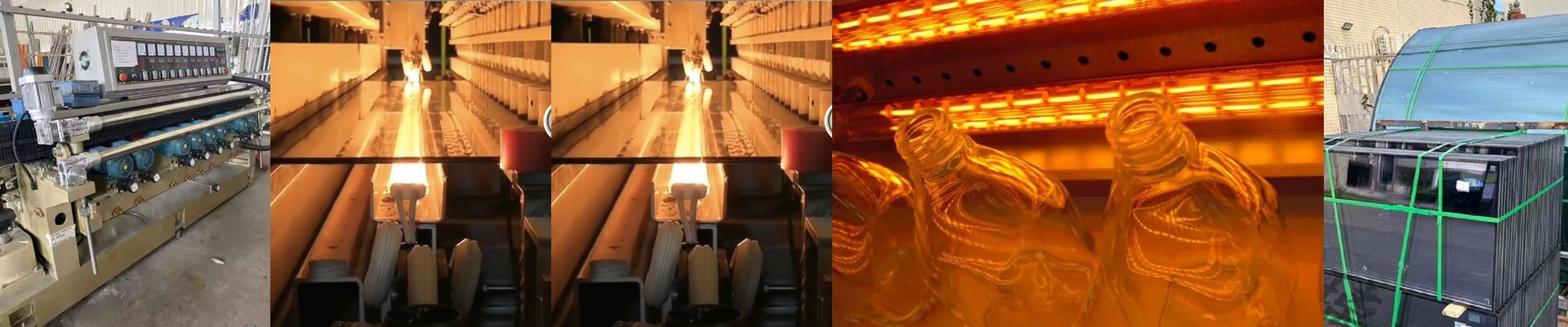


Why Your Datasheet Isn’t Fixing Your Production Bottleneck
You can order a fast-response infrared radiator based on a spec sheet—voltage, wattage, length—and think you’ve solved your problem. But in the real world, that rarely happens. We see it all the time. A plant manager buys a high-density shortwave lamp to speed up a PET blowing cycle, only to end up with scorched material or weird, uneven heat spots. The lamp itself is doing exactly what it was built to do. The problem is everything around it.
The reality of “Fast Response”
To get a lamp to hit operating temperature in seconds, you need low-mass quartz and high-watt density filaments. When you crank up that voltage-to-length ratio, you get an intense blast of heat. But here’s the catch: that intensity is a double-edged sword. These high-density tubes put a massive strain on your power supply. And if your reflector geometry is even slightly off? You’re looking at a premature burnout.
Why we insist on coming to your floor
A lamp is just one piece of the puzzle. We’d much rather send our engineers to your site for a thermal audit because a “perfect” lamp will still fail if it’s sitting in a bad housing. When we’re on the floor, we’re looking for the stuff a datasheet ignores: ***Beat-up reflectors.**If they’re pitted or oxidized, your efficiency just tanks. ***Bad airflow.**Sometimes those cooling fans meant for the machine are actually stripping heat away from your workpiece. ***The “10mm” problem.**Shifting a lamp by just 10mm can completely change how the heat hits your product.
The trade-offs you need to know
If you want to cut cycle times by cranking up the wattage, you’re usually trading away some of the lamp’s lifespan. It’s a give-and-take. Push a 2kW tube into a tight spot without enough ventilation, and those end-caps are going to pop. That’s why we don’t just ship you a drop-in replacement and wish you luck. We calibrate the heat load to your specific material thickness and how fast your line is actually moving. That’s the only way to actually move more product through the door without watching your scrap rate climb.