Why those old bathroom heat lamps are finally dying out
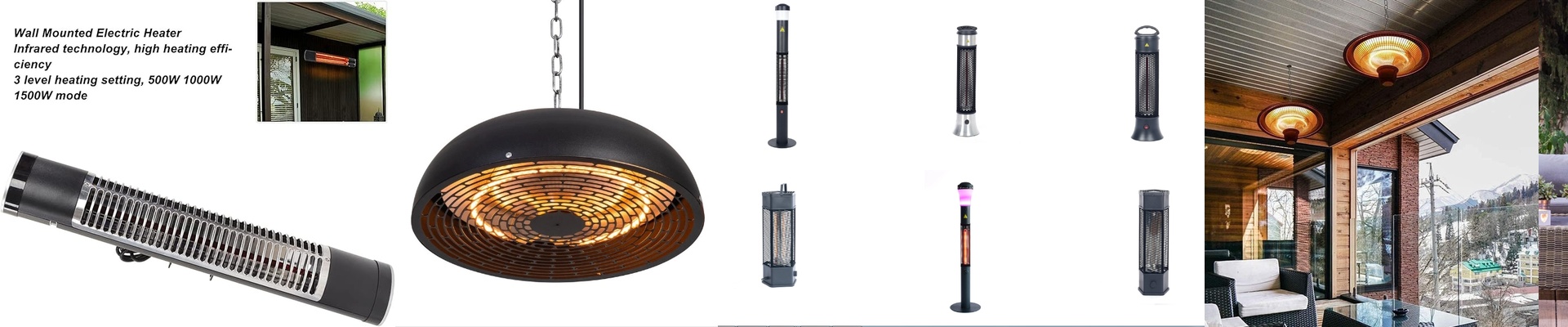
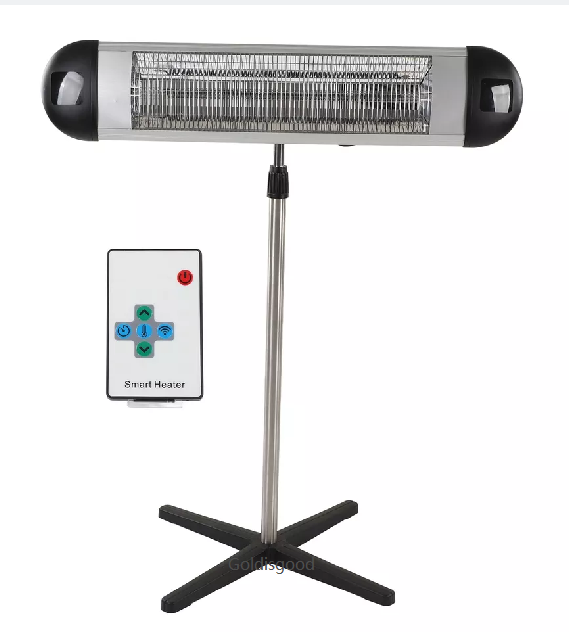
Ever notice how those old-school bathroom heat lamps always seem to quit right when you need them? Most of them are just basic quartz tubes with barely any protection. In a room full of steam and splashes, that’s a recipe for disaster. Water gets in, the seals rot, and suddenly your heater is a paperweight. That’s why we’re seeing everyone switch over to high-IP infrared wall heaters. They basically fix everything that usually goes wrong in a bathroom. The “Warmth” Difference Here is the thing about traditional heaters: they try to warm up the air. But warm air is lazy—it just floats straight to the ceiling. You’re left standing there shivering while your ceiling is toasty. Infrared is different. It doesn’t care about the air. It sends out heat that hits you (and your towel) directly. It’s instant. You don’t have to wait ten minutes for the room to “warm up” before you step out of the shower. Plus, since you aren’t trying to heat the entire volume of the room, you aren’t wasting power. Building things that actually last A bathroom is a brutal place for electronics. Between the humidity and the soap scum, cheap casings just get eaten away. We’ve focused on the gritty details—using corrosion-resistant alloys and tempered glass—so the unit doesn’t just burn out after a few months of heavy steam. We also spent a lot of time on the “invisible” stuff. The electrical connections are sealed tight with reinforced gaskets and heavy-duty cable entries. Why? Because if a seal leaks in a damp room, you’ve got a short circuit. And nobody wants that. A few things to keep in mind If you’re swapping out an old unit, these are pretty easy to drop in. They take up less space but punch way above their weight in terms of heat. But there is a catch. Because these heaters send out a concentrated beam of warmth, placement is everything. You can’t just throw it on any random wall and hope for the best. If you mount it too high or at a weird angle, you’ll end up with cold spots. You’ve got to think about where you’ll actually be standing when you turn it on. Get the layout right, and it’s perfect.