


Getting the Heat Right: Why Your IR Reflector Actually Matters
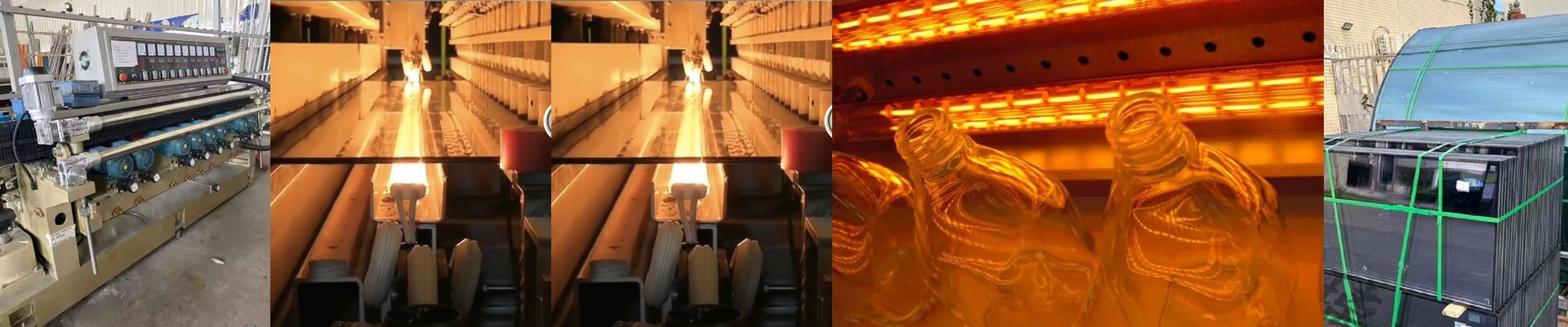
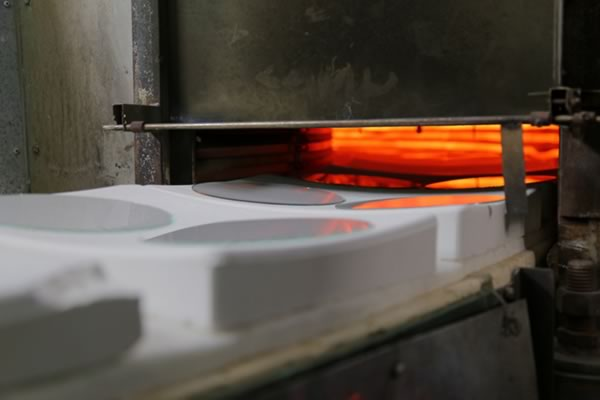
If you’ve ever tried using a standard, off-the-shelf reflector for glass R&D, you know the frustration. They give you a generic heat profile that’s “fine” for most things, but not for the high-stakes stuff. When you’re messing around with new glass compositions, the margin for error is tiny. A few degrees of difference across the surface is often the only thing standing between a perfect cure and a shattered substrate. That’s why we obsess over the geometry of the aluminum reflector. It’s all about controlling exactly where that infrared energy lands.
It’s Not Just About Size
A lot of engineers think “custom” just means picking a different length or width. But if you’re doing real R&D, the real magic happens in the power density. By tweaking the parabolic curve or shifting the elliptical focal point of the aluminum housing, we can move the IR flux around. You can pinch the heat into a tight, intense spot for high-stress testing, or spread it out wide to make sure you don’t get any nasty hot spots. We use high-purity aluminum for this. Why? Because it reflects the most light and doesn’t soak up too much heat itself. If the housing gets too hot, the metal warps. Once it warps, your focal point shifts, and your data is useless.
The Trade-off
Here’s the thing: pushing for extreme power density isn’t free. If you design a reflector to cram a massive amount of energy into a tiny footprint, you’re putting a huge thermal load on the lamp’s electrodes. You’ve got to keep a very close eye on your cooling airflow. If you skip the ventilation, the lamp is going to overheat and burn out way faster than it should.
Making Your Setup a Real Tool
In the world of glass science, the goal is to isolate your variables. The cool part about swapping reflectors is that you can completely change your heat profile without touching your lamp wattage or voltage. You can map out exactly how a new material reacts to different intensities just by switching the hardware. It stops being just a “heat source” and starts acting like a precision instrument.