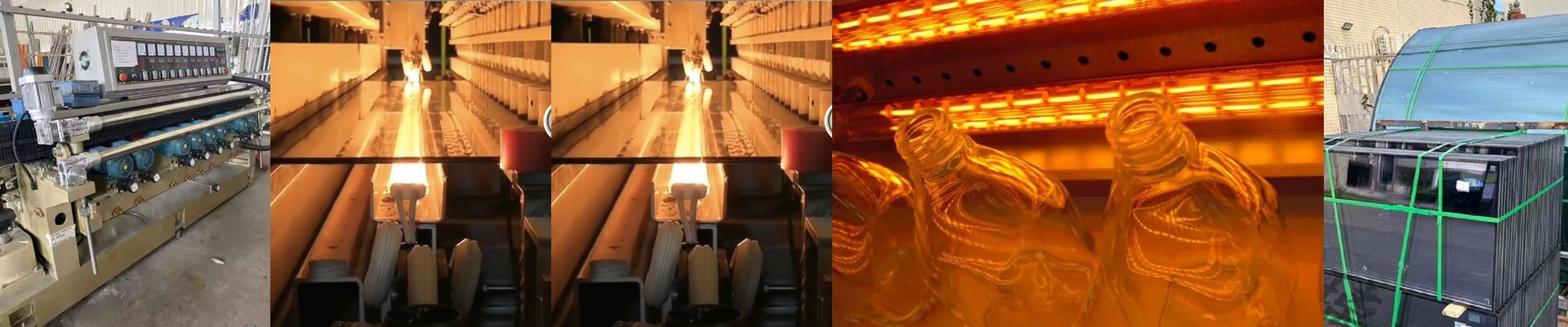




Getting Your Infrared Heaters Right for Thermal Stress Glass Cutting
If you’ve ever worked with thermal stress cutting, you know it’s all about the dance between heat and cold. You blast the glass surface with heat, hit it with a quench, and—snap—it breaks exactly where you want it to. But here’s the catch: if your heaters are lagging or inconsistent, that snap becomes a guess. To get those temperatures dialed in, your infrared lamps need to actually play nice with the power grid in your building.
Why Voltage Actually Matters
We build our lamps to handle the usual suspects: 110V, 480V, and 575V. Now, this isn’t just about making sure the light turns on. It’s about how much “oomph” you get per inch of the lamp. If you’re running a 480V or 575V system, you don’t need as much current to hit those high wattages. That’s a win for your setup because you can use thinner wiring and you won’t lose as much power over those long cable runs across a massive factory floor. But there is a flip side. High-voltage tubes getintense. If your cooling fans aren’t up to the task, you’re going to end up with melted sockets or warped frames. It’s a lot of heat to manage.
Dealing with “Import” Headaches
I see this all the time: a shop buys a great piece of machinery from overseas, but the lamps were built for 230V and they’re trying to plug them into a 480V line. Something’s going to break. Some people try to fix this with transformers. Honestly? That’s usually a mistake. Transformers are bulky, they take up space, and they’re just one more thing that can fail on a Tuesday morning. Instead, we just tweak the filament—the length and the diameter—right inside the lamp. We build the resistance in. That way, you get a lamp that just drops right into your existing setup and works. No extra boxes, no mess.
The Trade-off
Higher voltage is great for speed. It gets you up to temperature faster, which is a lifesaver when you’re trying to push more glass through the line. Just be careful with power spikes. 575V systems are a bit more sensitive. If you don’t have decent surge protection on your controllers, one unlucky power jump can snap a filament instantly. And nobody wants to stop production to swap a bulb in the middle of a rush.