Getting the Heat Right: The Art of Lab Glass Annealing
Ever seen a piece of lab glassware just… shatter? No one dropped it. No one hit it. It just gave up. That usually happens because of internal stress. If you rush the heating or let the glass cool down unevenly, you’re basically baking fractures right into the material. To stop that, we use infrared (IR) heating. But here’s the catch: the margin for error is tiny. We’re talking about high-end containers where a single degree of difference can trash an entire batch. That’s why we don’t settle for “close enough.” We aim for 0.1°C precision.
The Balancing Act
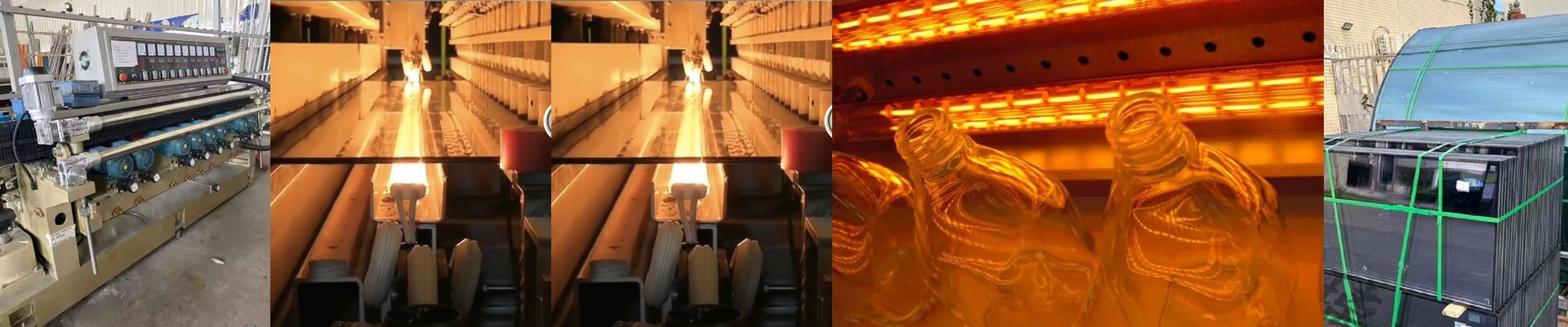
Annealing is all about finding that sweet spot—the soak temperature. You want the glass just soft enough that the internal stresses can relax, but not so soft that the whole vessel starts to sag or warp. If your IR elements overshoot, you get a deformed piece of glass. Undershoot? The stress stays locked in the molecules, waiting for a reason to crack. We use short-wave IR because it hits the surface instantly. Then, we lean on high-frequency PID controllers to keep us inside that tight 0.1°C window. It stops the “skin effect,” which is just a fancy way of saying the outside is scorching while the core is still cold.
The Gear (And the Trade-offs)
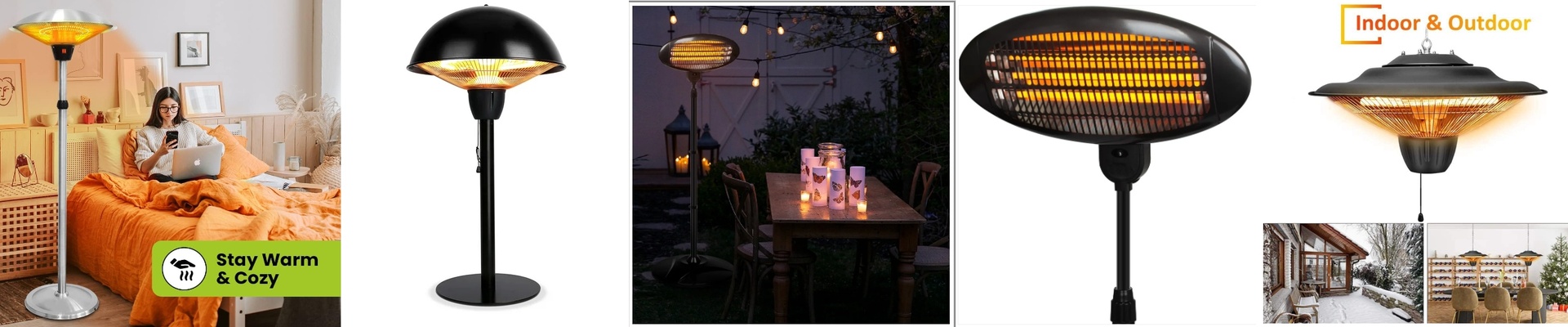
You can’t do this with off-the-shelf heaters. We use precision-wound IR lamps with very tight wattage tolerances. You also need a power supply that can switch on and off rapidly without sending electrical noise screaming into your sensors. Now, this isn’t cheap or compact. High-precision IR setups take up more room for the electronics, and the thermocouples cost more. And forget about using a basic timer. You need closed-loop feedback. If your sensor is off by even an inch, that 0.1°C precision is a lie. The heat won’t be even, and you’re back to square one.
Making it Work on the Floor
When it comes time to wire everything up, get your shielding tight. Other lab equipment creates electromagnetic interference that can make your temperature readings jitter. When that happens, the heaters start “hunting” for the setpoint, swinging back and forth. It’s a nightmare. Keep your sensors isolated. And honestly? The only way to know you’re actually hitting your specs is to calibrate the whole thing against a certified reference thermometer. Trust, but verify.