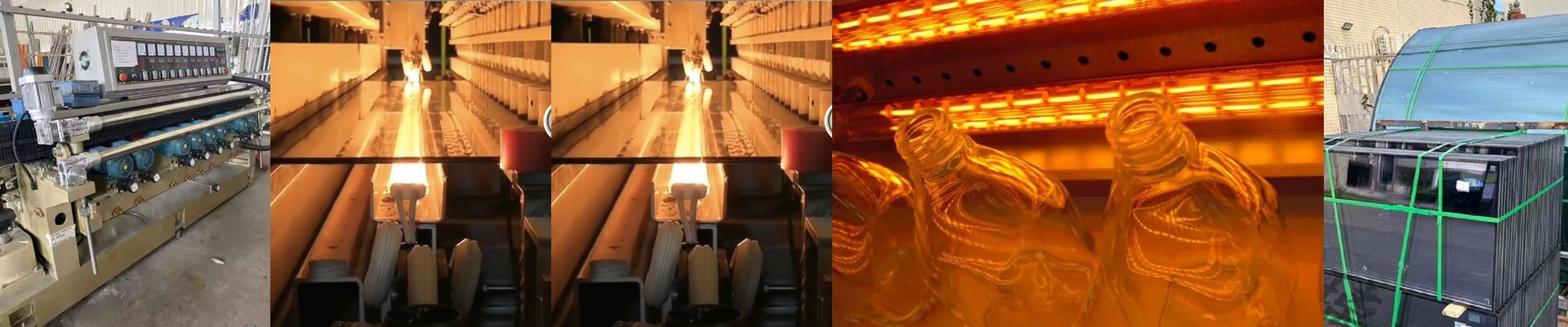
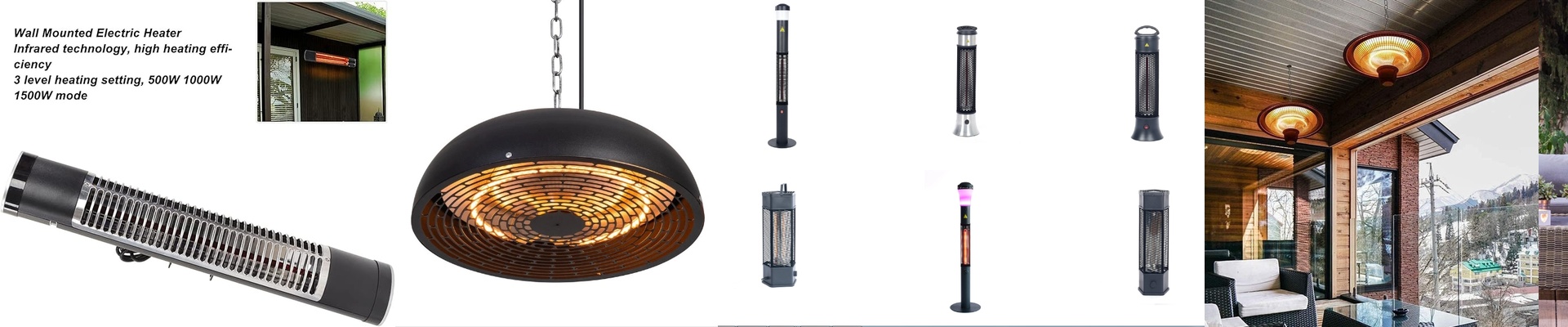


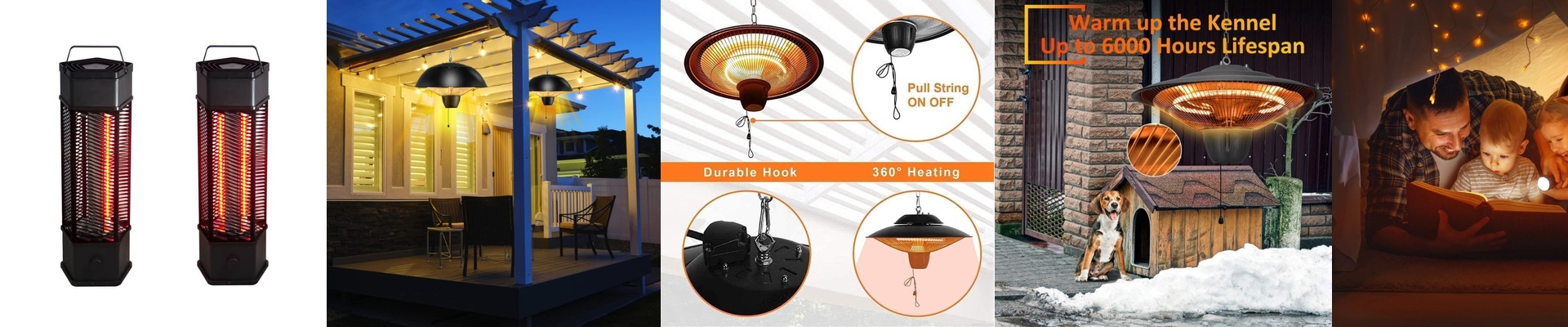
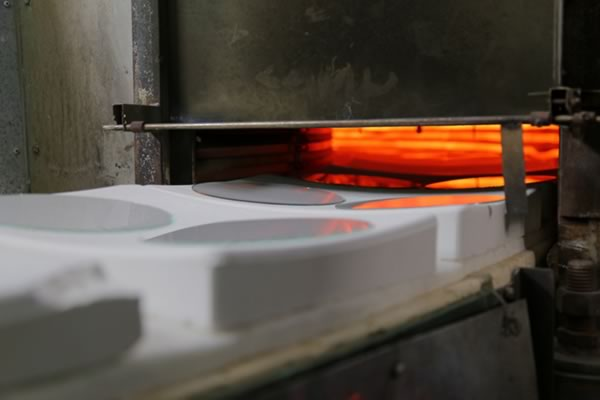
On the glass line, heat isn’t just heat. It’s the line between a pane that clears inspection and scrap that chews up margin. Whether you’re tempering, bending, laminating, or drying coatings, the thermal profile has to sit in a tight window. If the energy is off across the sheet or the response lags, you’ll see optical distortion, thermal stress fractures, and weak edges. Far infrared (FIR) heaters give you repeatable control where convection and contact heating tend to miss. What actually matters FIR heaters put energy in the 3–10 micron band, matched to glass emissivity. The wavelength penetrates the surface and heats the body directly, not the air around it. That translates to fast response, low thermal inertia, and a stable thermal field. We lay out the elements so power density is uniform across the glass width, with tight hot-zone control to keep edge overheat in check. Power density and element geometry are tied to line speed and glass thickness, so you can hold setpoint without chasing temperature swings. Why it fits the work we do In tempering, the quench has to follow a consistent heating cycle. FIR modules bring the glass up to surface temperature quickly, then shut down clean, so the quench does its job without residual drift. In EVA and SGP lamination, uniform heating across the stack prevents bubbles and voids, and it shortens cycle time. For insulating glass sealing, FIR heats the primary seal without cooking the spacer, which improves edge integrity. You end up with higher first-pass yield, fewer reworks, and less energy per part because the heat lands where it’s needed, when it’s needed. Here are the practical details FIR is line-of-sight, so mounting geometry and clearance have to be set to avoid shadows and hot spots. Keep surfaces clean, too — dust and coating overspray cut output and shorten service life. Plan for reflectors and proper insulation so the heat stays on the glass, not on the frame. Warm-up is faster than radiant tubes, but your control strategy needs to keep up with the quicker dynamics. When everything lines up, FIR can drop in as a direct upgrade in many existing ovens and laminators, with predictable changeover and minimal downtime.