
Stop the Mold: Why Infrared is a Secret Weapon for Your Bathroom
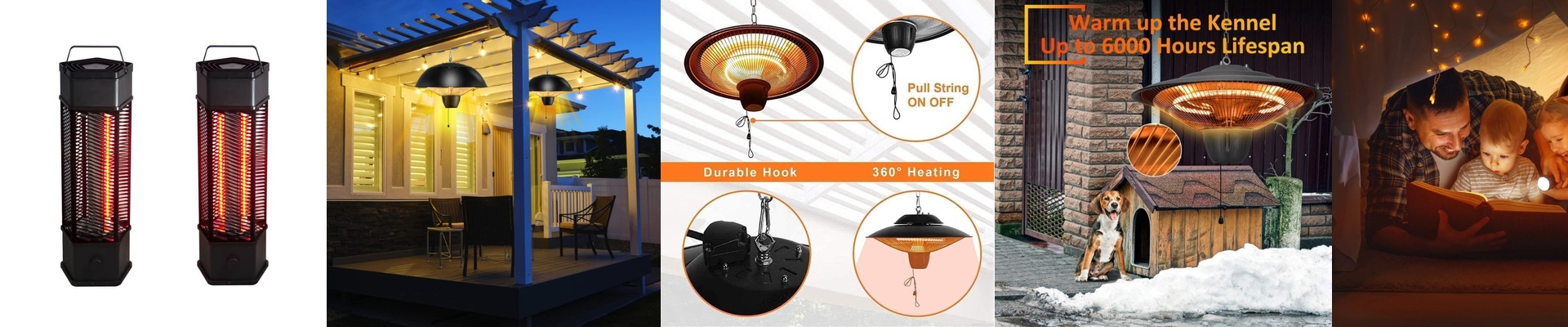
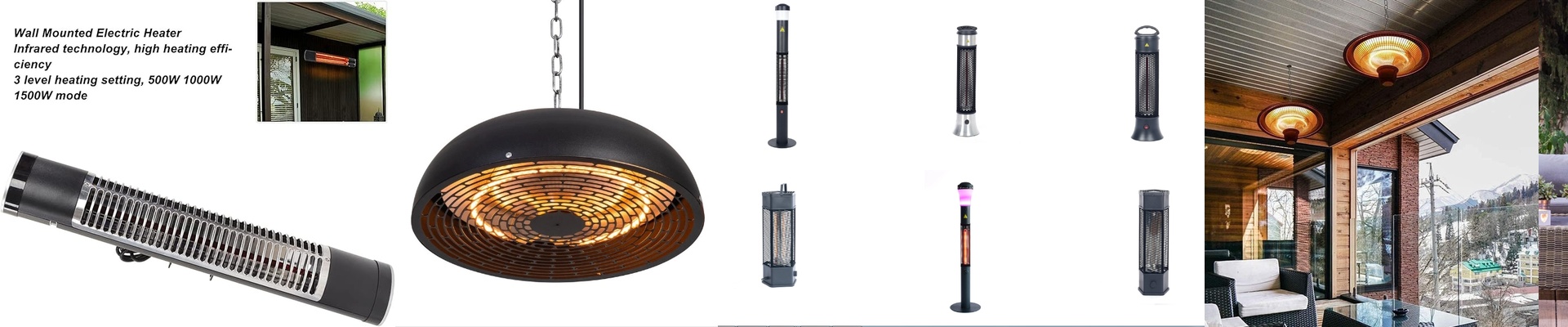
Most people buy a bathroom heater because they hate shivering when they step out of the shower. That’s fair. But we look at it differently. To us, a heater isn’t just about comfort—it’s about fighting moisture. When we install an IP55-rated infrared lamp in a wet room, we aren’t just blowing hot air around. We’re actually using light waves to dry out the room.
How it actually works
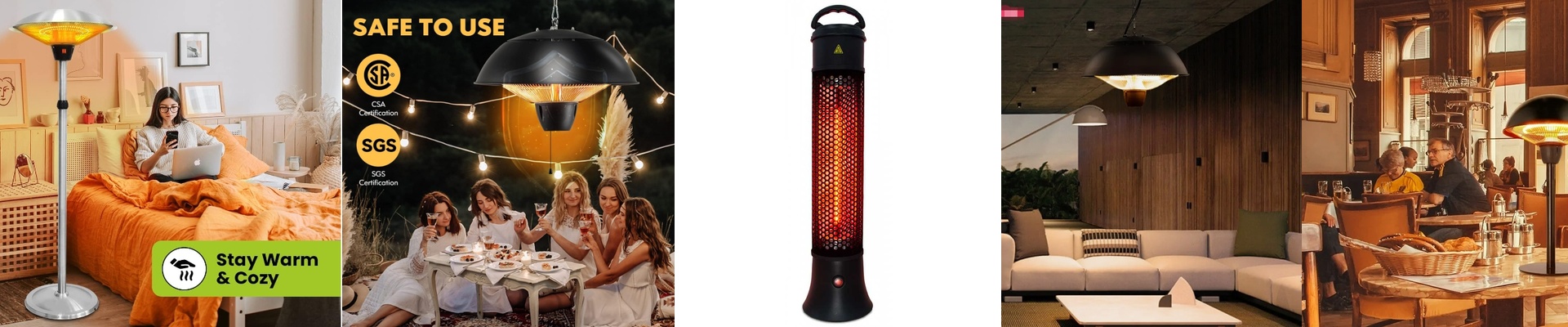
Here’s the thing about standard heaters: they warm up the air. But if your tiles are still freezing, you get condensation. That’s where the trouble starts. Infrared is different. It doesn’t wait for the air to get warm. It beams heat directly onto your walls, floors, and ceiling. By warming the actual surfaces, the water evaporates way faster. Mold needs two things to survive: dampness and a place to sit. If the walls stay dry, the mold simply has nowhere to go.
Built for the splash zone
You can’t just toss any old heater into a shower area. That’s a recipe for a short circuit. That’s why we stick with IP55 enclosures. They’re built to handle heavy steam and the occasional splash without frying the internals. We spend a lot of time making sure the seals around the wiring are tight. If you don’t, water can actually “crawl” through the wires and into the housing. Not a good look.
Finding the sweet spot
Now, there is a catch. Short-wave IR hits hard and fast. It’s amazing for drying, but you have to be smart about where you mount it. If the lamp is too low, it doesn’t feel like a cozy glow—it feels like a heat lamp at a buffet. You have to balance the wattage with the height of the ceiling. You want that feeling of a warm embrace, not a sunburn. When you get the wiring and the positioning right, you basically have a second dehumidifier. And the best part? It does all this without the annoying roar of a giant exhaust fan.