
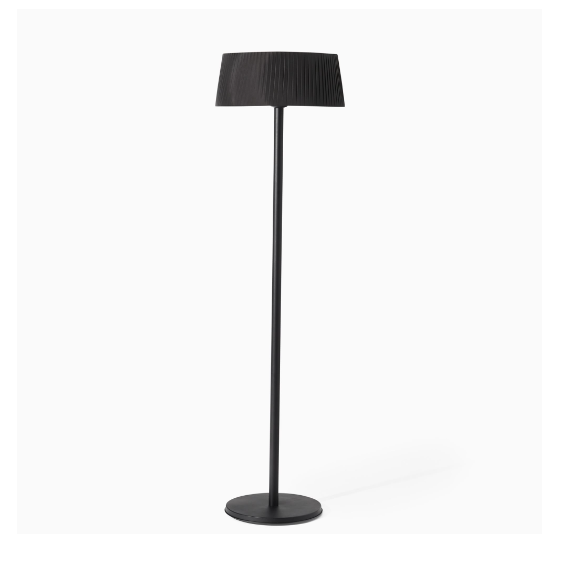
Bathrooms are basically a nightmare for infrared heaters. You’ve got steam everywhere, constant humidity, and the occasional splash of water. For most standard IR lamps, that’s a death sentence. Moisture creeps into the electrical contacts or sits on the glass, and before you know it, the whole thing burns out. We got tired of seeing that happen, so we built our towel rails to actually handle the damp. Dealing with the damp Here is the problem: when a cold water droplet hits a scorching hot infrared element, it causes “thermal shock.” It sounds fancy, but it basically means the glass gets tiny micro-cracks. Eventually, the lamp just gives up. To stop that, we tucked the wiring and connectors inside a splash-proof housing. It keeps the guts of the machine dry and prevents those annoying short circuits when the room gets steamy. We also added a special anti-fog coating to the heating surface. Without it, condensation forms a thin film that scatters the heat waves. That means the heater has to work twice as hard—and run way longer—just to get your towel warm. With the coating, the heat goes exactly where it needs to. The honest trade-off I’ll be straight with you: adding these protective layers adds a bit of bulk. Because of that, you might notice it takes a few seconds longer to heat up than a bare-bulb heater would. But honestly? It’s a trade we’re happy to make. I’d much rather wait an extra minute for a warm towel than have to replace the entire unit because the contacts corroded. How long will it actually last? If you use a cheap IR heater in a wet zone, you’re usually looking at a replacement every year or so. It’s a pain. By sealing the electrical joints and treating the quartz, we’ve pushed that timeline way back. You get steady, reliable heat without worrying about electrical arcs or failing filaments. Just make sure you follow our grounding specs during install, and the thing will just… work. For a long time.