
Stop Worrying About Your Heaters Blowing Up
If you’ve ever put heating elements in a wet area—think chicken coops or bathrooms—you know the nightmare. You’re fighting a constant battle against moisture and “thermal shock.” Here is the real danger: a single cold drop of water hits a scorching hot bulb, and snap. The glass cracks. Now you’ve got electrical shorts or, even worse, shards of glass everywhere. It’s a mess. That’s why we use explosion-proof quartz tubing.
Why Quartz Actually Works
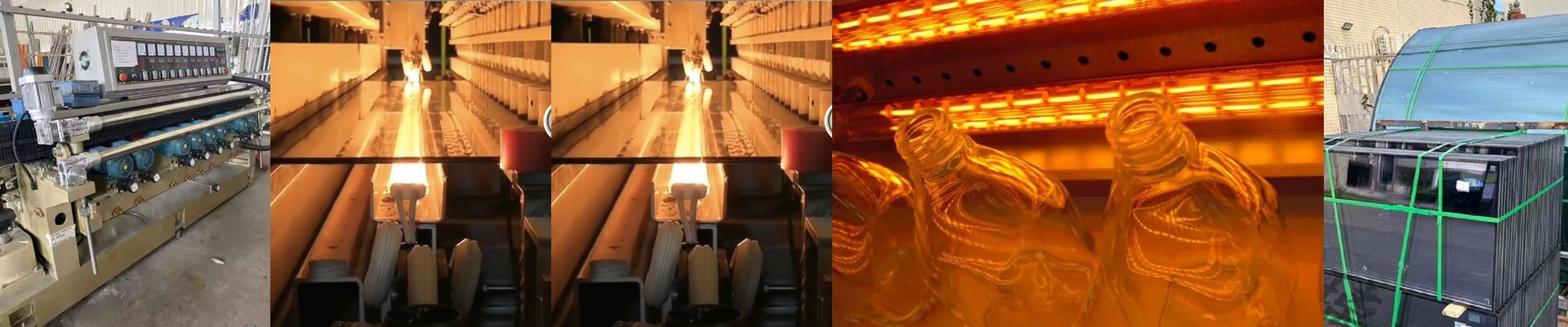
When we say “explosion-proof,” we aren’t talking about bombs. It’s really just about handling pressure and heat without losing its mind. We use high-purity fused quartz because it basically ignores temperature swings. While other materials expand and contract violently when they get hot and cold, quartz just stays chill. We seal the ends tight to keep moisture away from the tungsten filament. So, if the tube takes a sudden plunge in temperature or a stray hit, it holds together. It doesn’t shatter into a million pieces.
Getting the Setup Right
A waterproof rating is only as good as the seal. To make this work, we pair the lamps with high-temp gaskets and housings that actually keep the dampness out. But here is a tip: watch your wattage. If you cram a high-power lamp into a tiny, tight space, you’re basically baking your own wiring. Also, make sure your power supply matches the lamp’s voltage exactly. If you don’t, you’re just fast-tracking the bulb to a premature burnout.
The Catch (and How to Fix It)
Now, look. Quartz is a beast when it comes to heat, but it’s still glass. If you just toss these into a coop, a curious bird or a clumsy person will break them. They need a protective cage. Period. And please, for the love of everything, don’t use cheap PVC wire. It’ll melt in a few hours. Stick with silicone or fiberglass sleeving. Do it this way, and you get a heat source you can actually trust—even when the humidity spikes and things get messy.