

Stop the Shatter: Dealing with Thermal Shock in Glass
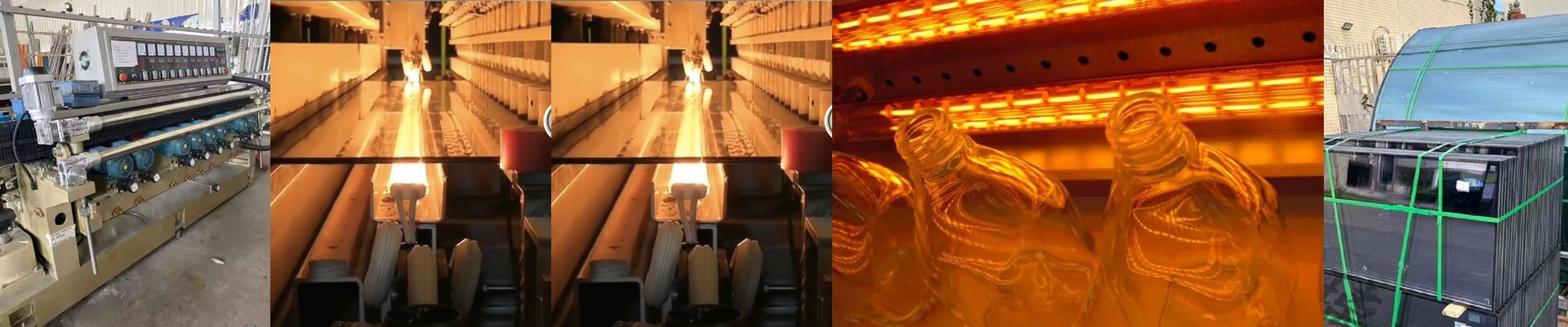
If you’ve ever seen a piece of glass shatter the second it hits a high-heat zone, you know that gut-wrenching sound. It’s a nightmare. The problem is thermal shock—basically, the glass can’t handle the sudden jump in temperature and just gives up. To fix this, we use short-wave infrared (IR) lamps. They give us the kind of fast, controllable heat that actually keeps the glass intact.
Getting the Heat Just Right
The secret here is being able to change the power on the fly. Old-school resistive heaters are just too sluggish. They have way too much thermal mass, meaning they take forever to warm up or cool down. But short-wave IR lamps? They react almost instantly. By pairing these lamps with a fast-switching PID controller or an SCR, you can nudge the heat up and down in real-time. Instead of hitting the glass with a wall of heat, you’re gently ramping it up. It’s the difference between jumping into a freezing pool and slowly stepping into a warm bath.
The Gear You Actually Need
For the kind of heat density that makes tempering happen instantly, we go with high-wattage halogen quartz tubes. Glass just loves this specific spectrum of energy. One tip: make sure your lamp length matches your conveyor footprint. If they don’t line up, you’ll get uneven heating, and that’s how you end up with a pile of scrap. Just keep in mind that these lamps pack a punch. Running them at full blast puts a lot of stress on your power supply and kicks out a ton of ambient heat.**Don’t skimp on the cooling fans.**If you do, you’re looking at melted sockets and fried electronics.
Making it Work on the Floor
The best part is that these lamps are pretty much “plug and play.” They fit right into where your old heating elements used to be. We use standard R7s or SK15 connectors. Why? Because when a lamp eventually burns out—and they will—you want to be able to swap it in a couple of minutes and get back to work without having to rewire the whole rack. The only real trick is the alignment. Get them straight, keep the heat even, and you’ll stop seeing those annoying cold spots that lead to rejected parts.