
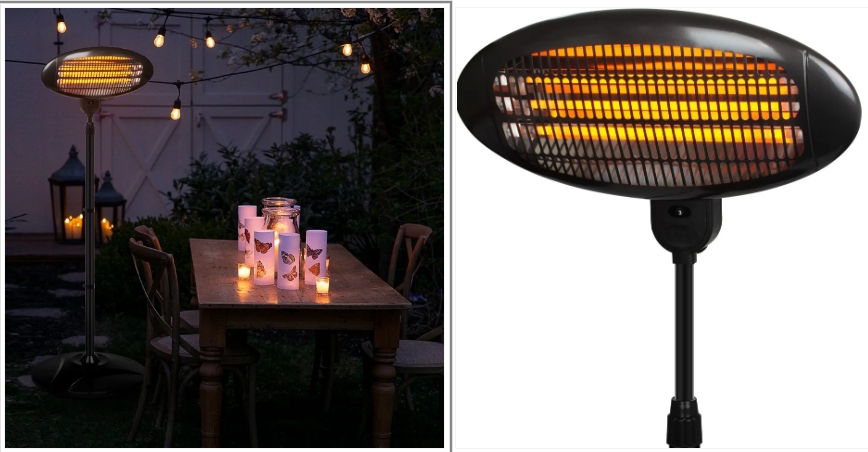
Making Smart Outdoor Heat Actually Work
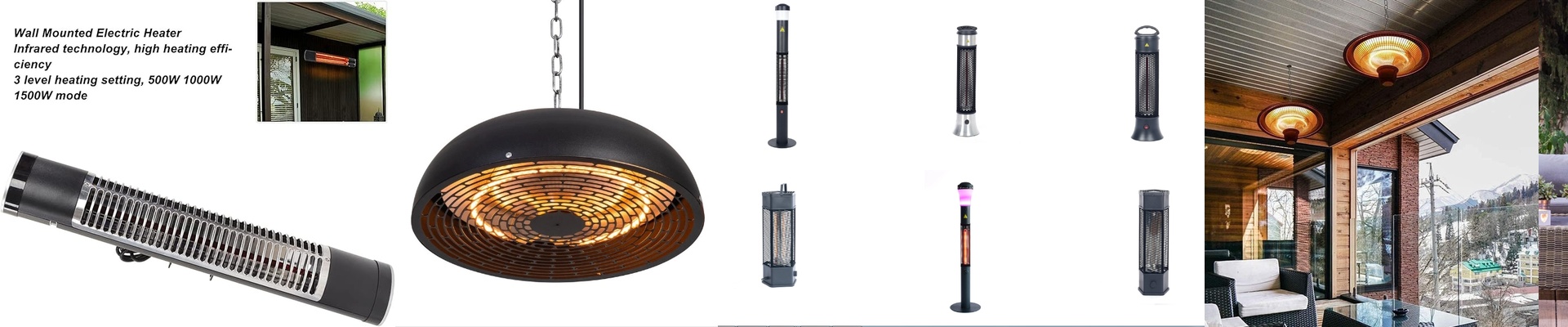
If you’ve ever tried to put an infrared heater into a smart home setup, you know it’s not as simple as just slapping a Wi-Fi switch on the wall. You’re dealing with electricity, water, and freezing temperatures. It’s a messy mix. That’s why we lean on IP65-rated enclosures. In plain English? We make sure the guts of the machine are locked tight. Rain, snow, or a random dust storm—none of it gets inside to fry your circuits.
That “Instant” Feeling
Most heaters try to warm up the air around you, which takes forever. These are different. They use shortwave infrared, which means the heat goes straight to your skin or your clothes. It’s a great feeling. You hit a button on your phone, the relay clicks, andboom. You feel the warmth in seconds. No waiting around shivering while the machine “warms up.” It’s like flipping a light switch, but for temperature.
Getting it to Talk to Your House
We don’t do those clunky manual dials. They’re annoying and you have to actually get up to use them. Instead, we swap them out for smart relays or Modbus controllers that plug right into your central hub. This is where it gets cool. You can set it to be totally hands-off. For example, you can tell your house: “Hey, if the patio drops below 10°C, turn the heat on.” You don’t even have to think about it.
The Stuff People Forget
Here is the catch: these lamps pull a massive amount of power. If you try to run a bunch of them on thin, cheap wiring, you’re asking for trouble. The cables will get hot, the voltage will drop, and your heater will just feel… weak. Do yourself a favor and run dedicated circuits. It’s the only way to get the full punch of the heat. Plus, there’s a weird paradox with the IP65 seal. It keeps the rain out, but it also traps heat inside the box. If we didn’t use aluminum heat sinks to pull that heat away from the control board, the smart brain of the heater would overheat and shut down before you even got warm. It’s all about balancing the protection with the airflow.