

Why You Can’t Mess Around With Quartz Glass in Your Bathroom
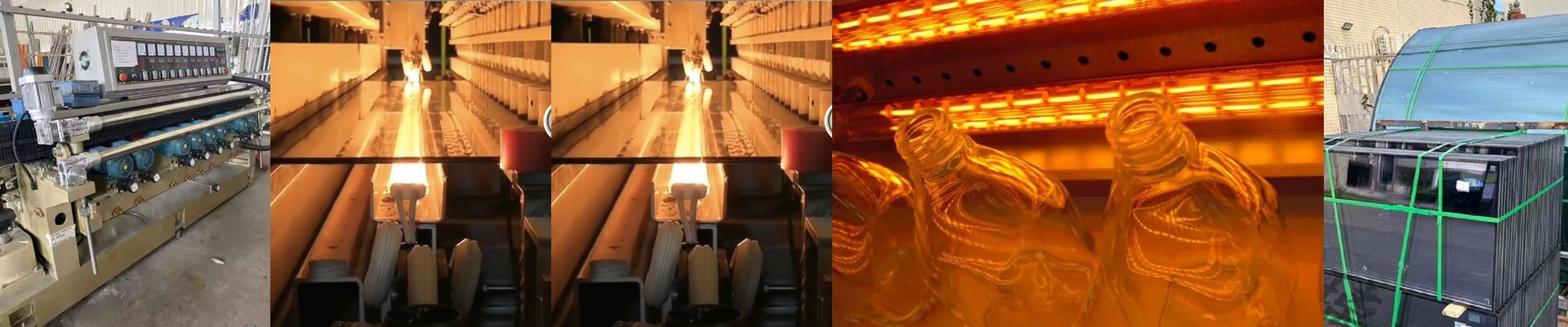
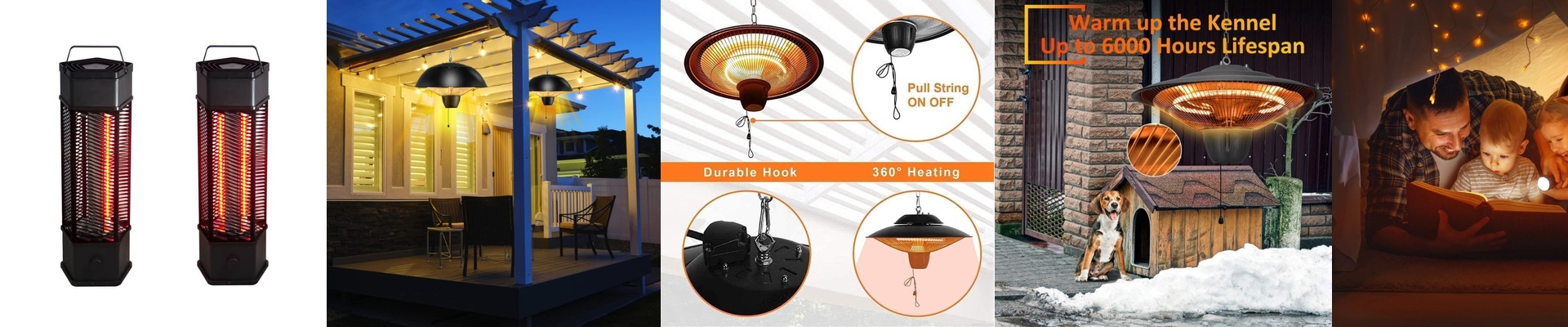
Most bathroom mirror heaters rely on infrared lamps to kill the fog and keep you warm. But when you’re dealing with a room full of steam and splashing water, the material used for those tubes is everything. It’s not about looks—it’s about making sure your mirror doesn’t turn into a hazard.
The “Thermal Shock” Problem
Think about this: you’ve got a lamp running at 600°C. Suddenly, a cold drop of water hits it. Standard glass just can’t handle that kind of mood swing. The surface shrinks instantly, creating a ton of internal pressure. If the glass is low-grade, it doesn’t just crack. It shatters. That’s why we stick with high-purity quartz glass. Quartz is basically the “chill” version of glass. It doesn’t freak out when the temperature jumps around, so when you step into a steamy shower and flip the switch, the tube stays exactly where it should be.
Staying Safe
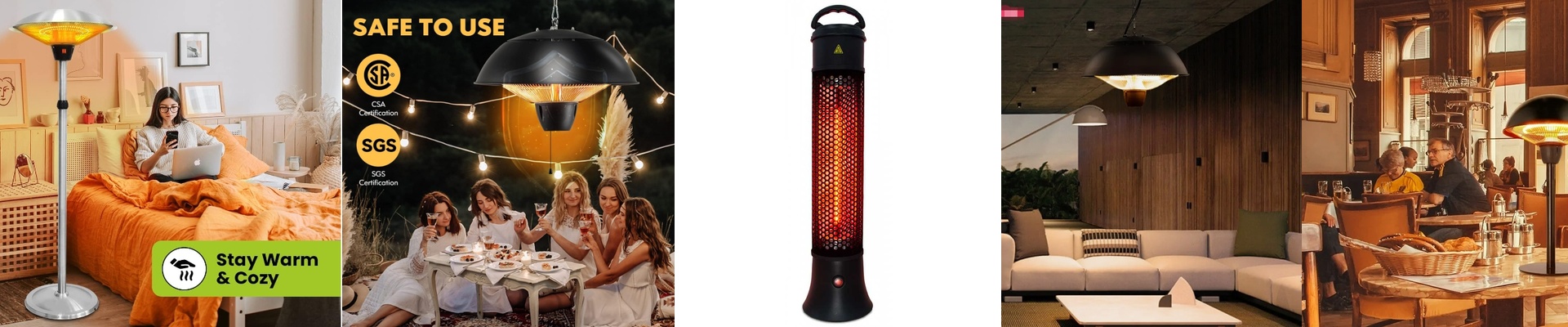
When people talk about “explosion-proof” glass here, they really mean the tube can take a hit from cold water without bursting. We make sure these lamps are tough enough to handle that sudden liquid impact. One quick tip, though:make sure your housing has plenty of air. Even the best quartz gets incredibly hot. If the air can’t move, you’ll end up warping or melting the plastic fixtures around the lamp. Not a great look.
Real-World Installation
Swapping these out is usually a breeze—they’re mostly drop-in replacements with simple connectors. But please, double-check your voltage. If you plug a 220V lamp into a higher voltage circuit, it’ll fry almost instantly. The best part? The heat is immediate. You get that infrared warmth the second you turn it on. Just remember that while quartz is great with heat, it’s still glass. It doesn’t like being hit. Be gentle when you’re cleaning the mirror or swapping bulbs. One hard knock can crack the tube, and once that happens, all those safety features don’t mean a thing.