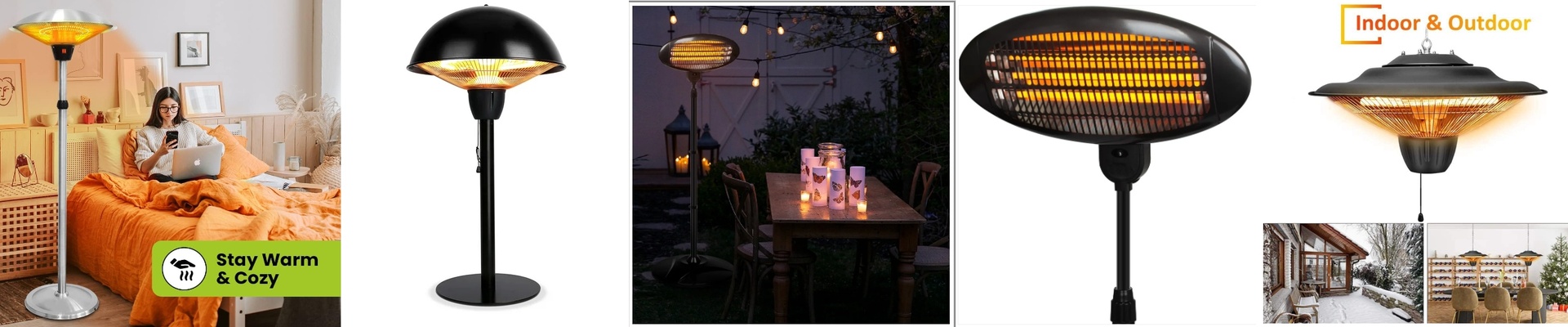
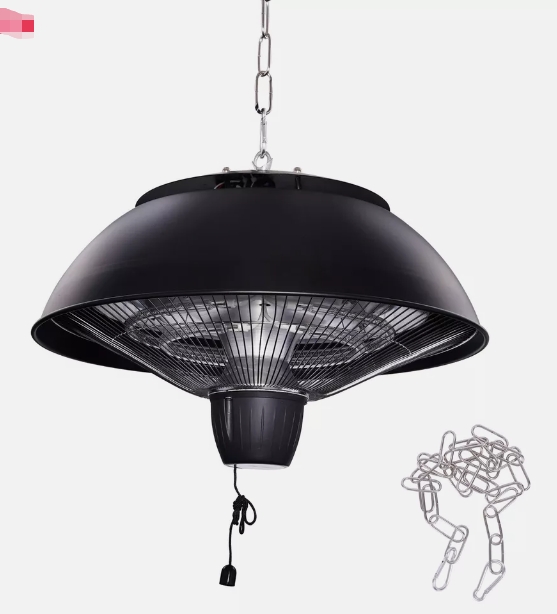
Keeping Things Warm (and Safe) in Wet Zones
If you’re picking out heating elements for a bathroom or a nightclub patio, you’ve probably already thought about water. But it’s not just about a splash here or there. You’re fighting high humidity and chemical vapors that eat away at equipment. Standard quartz tubes just can’t hack it. They tend to crack from thermal shock or short out the moment steam finds a way into the housing. Not great.
Why “Explosion-Proof” Actually Matters
Here’s the thing: imagine a tiny droplet of cold water hitting a filament that’s sitting at 600°C. That sudden temperature drop causes the glass to contract instantly. Standard glass? It shatters. That’s why we use explosion-proof quartz. These tubes are built to handle those wild temperature swings without giving up. We also add a protective mesh or a reinforced sleeve. If the primary tube does break, the sleeve keeps the filament tucked away. It stops live electricity from meeting water—or a customer.
The Logic Behind the Heat
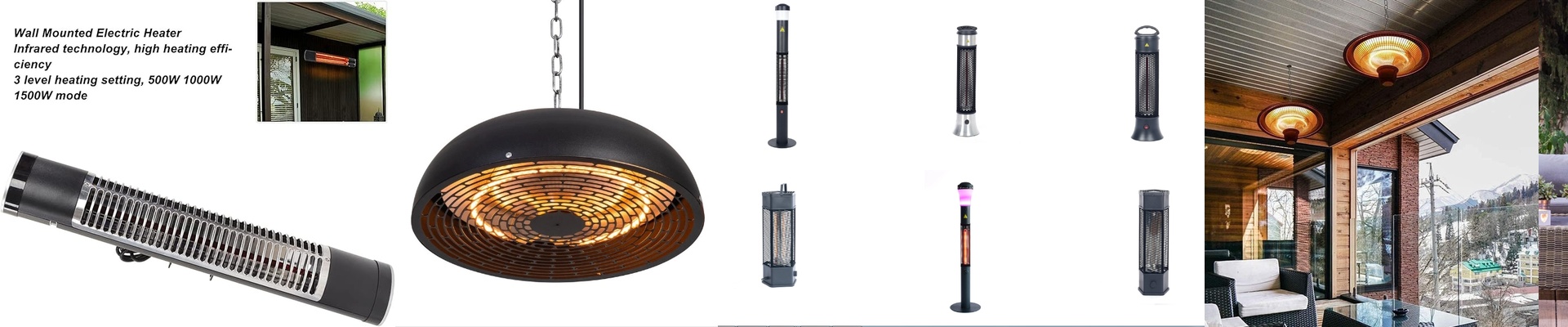
These lamps use short-wave infrared. Instead of trying to warm up the air (which is a losing battle on an open-air patio or in a steamy shower), the heat goes straight to the person. It’s efficient. It feels immediate. We use high-purity quartz so the heat stays consistent for the life of the lamp. But a quick heads-up: check your wiring. These units pull a lot of power. If you’re installing a whole row of them in a commercial space, make sure your breakers can handle that initial surge.
The Honest Trade-offs
Nothing is perfect. Because we’ve added those safety layers, you lose a tiny bit of heat—maybe 5-10% compared to a naked tube. Is it a bit less intense? Sure. But it’s a trade we’ll make every single time. It’s the only way to make sure the lamp doesn’t just pop the first time it gets damp. One last tip: don’t cheap out on the mounting brackets. Get something corrosion-resistant. Otherwise, your housing will rust into a pile of junk long before the lamp actually wears out.