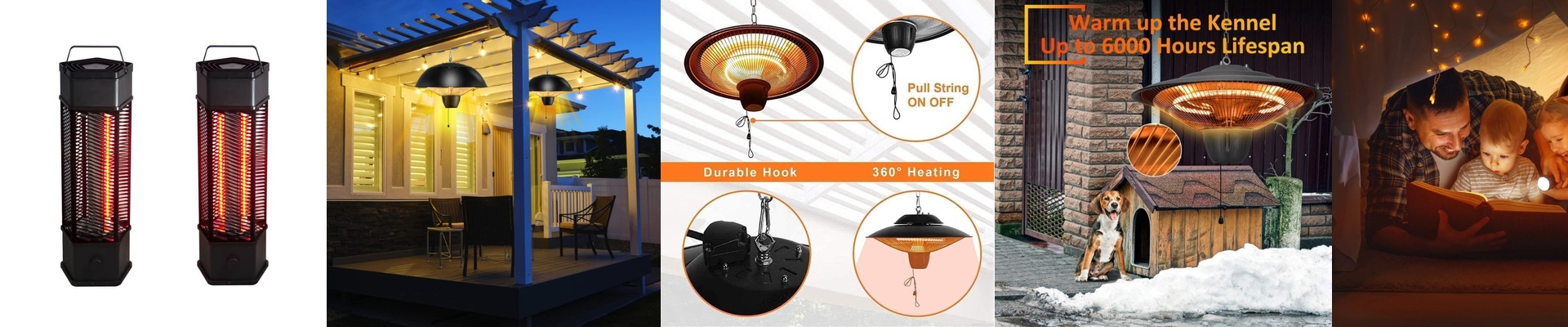
Why We Built Our Pergola Heaters to Be Swappable
Most people install an outdoor heater and then completely forget about it. That’s fine—until the day it stops working. The problem is that the outdoors are brutal. Rain, humidity, and constant temperature swings eventually eat away at the parts. Usually, around the five-year mark, a heating tube will just give up. Most companies make you rip out the entire chassis to fix that one part. We thought that was crazy.
The “Plug-and-Play” Approach
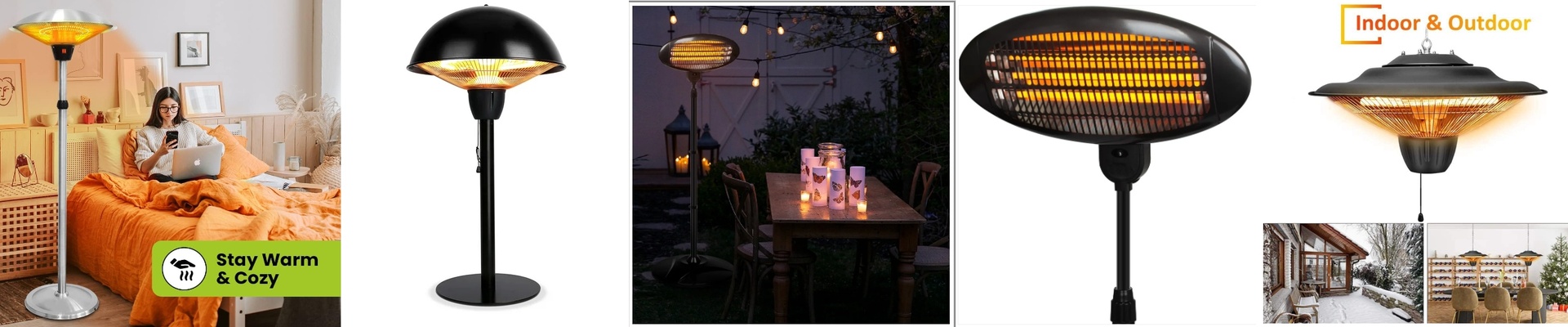
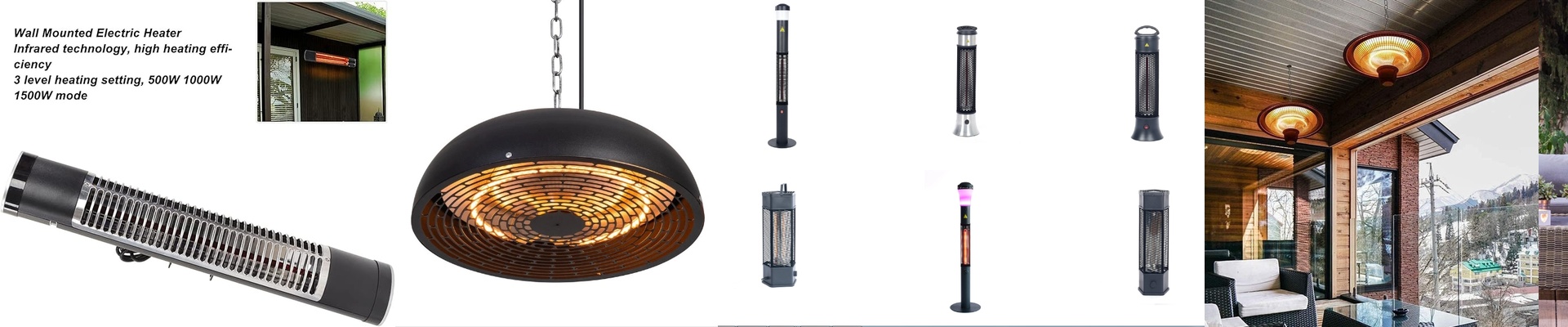
We decided to go with a modular setup. Instead of burying the heating element deep inside the wiring, we put the infrared tube in its own removable cartridge. Think of it like changing a lightbulb. When a module dies, you just pull it out and pop a new one in. You don’t have to tear down the pergola or mess around with the waterproof housing. What used to be a whole afternoon of frustrating work now takes a few minutes.
Dealing with Water and Heat
Keeping electronics dry while they’re pumping out intense heat is a tricky balance. We use sealed gaskets and alloys that don’t rust, so the moisture stays out of the electrical bits while the heat still gets through the grill. And here’s the thing: high-wattage heaters get hot. That heat makes metal expand and contract, which usually loosens screws over time. We used specific connectors that can handle those cycles without getting loose or losing power.
The Trade-off
To be honest, modular parts take up a tiny bit more space than a fully integrated system. You lose a sliver of compactness. But you gain a massive amount of sanity. If you go with a cheaper, integrated system, you’re looking at a total teardown just to swap a tube. With our way, you keep the expensive power supply and the waterproof shell. You only replace the part that actually wears out. For anyone running a busy commercial patio, it’s just a smarter way to do it. Paying a technician for ten minutes of work is a lot better than paying them to rebuild your entire ceiling.