Why we’re swapping out old bathroom heaters for IP66 Infrared
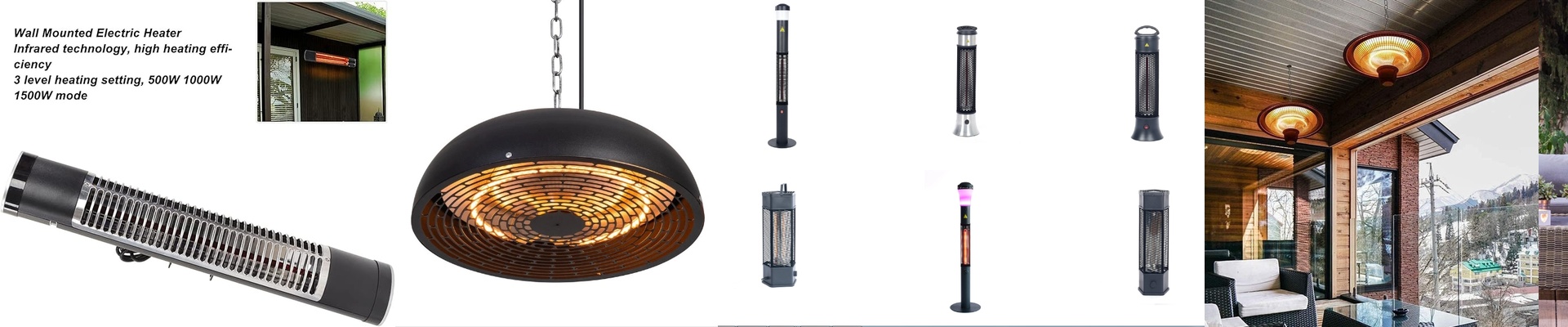
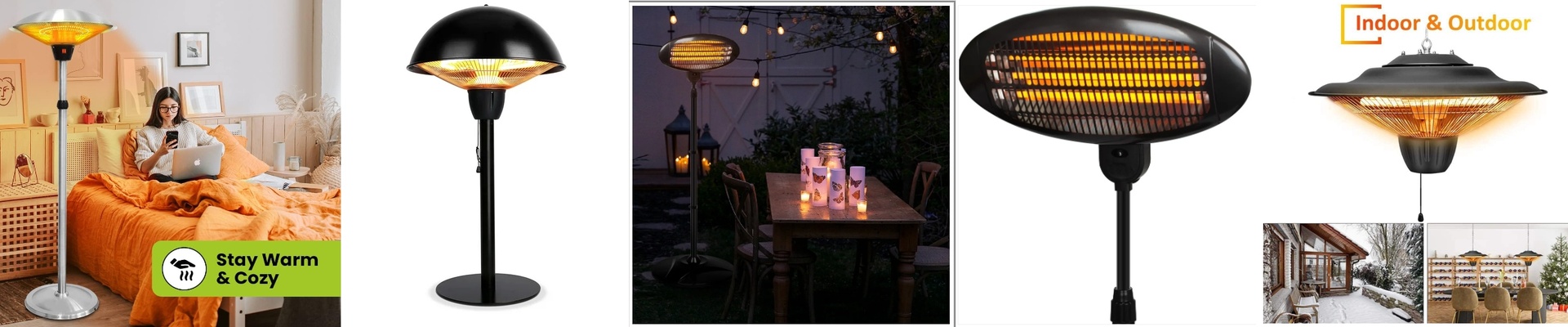
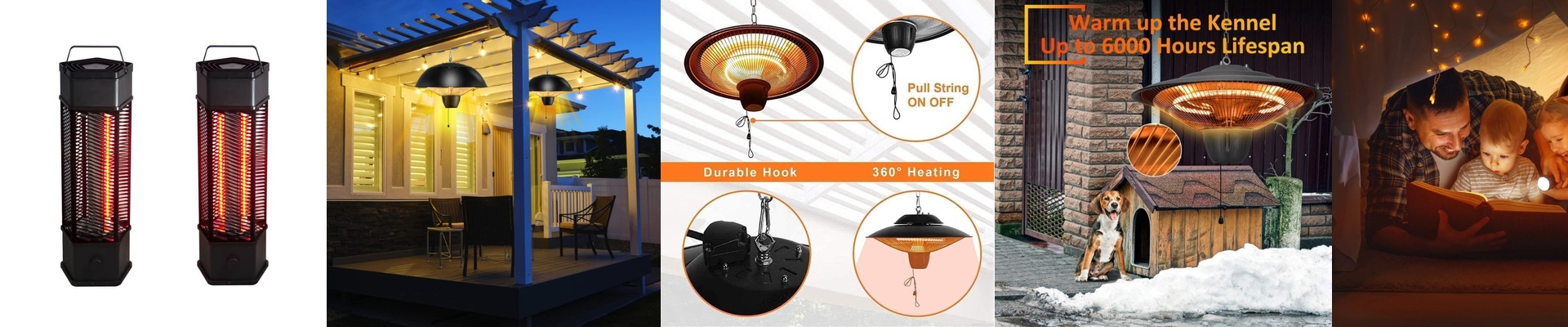
Let’s be honest: those standard “lamp warmers” usually can’t hack it in a steamy bathroom. They just aren’t sealed well enough. Lately, we’ve been seeing a big move toward IP66-rated infrared heaters during renos. It’s not about making the room look fancy—it’s about making sure your heater doesn’t freak out the moment the shower gets hot. The deal with IP66 and steam If you see “IP66” on a box, it basically means the thing is dust-tight and can handle a direct blast of water without blinking. In a bathroom, steam and splashes are the enemy. Most basic heaters have housings that let moisture creep right into the guts of the machine. That’s how you get short circuits or a heater that just dies way too soon. We fix that by using heavy-duty gaskets and sealed cable entries. It keeps the water out and the electricity where it belongs. Heat you can actually feel Most heaters try to warm up the air. But in a bathroom full of cold tiles and wet walls, that air just disappears. Infrared is different. It doesn’t bother with the air; it beams heat directly onto you. It’s instant. You don’t have to stand there shivering while the room slowly warms up. We use short-wave elements because they give you that sharp, immediate punch of warmth that cuts right through the dampness. The “gotchas” with installation Now, you can’t just plug one of these into a cheap extension cord and call it a day. These are industrial-grade tools. You’ll need a dedicated circuit. Because they pull a decent amount of power to get that instant heat, your breaker needs to be up to the task. Otherwise, you’ll be tripping the power every time you want a warm morning. One more thing: the outer casing gets hot. Really hot. Keep your towels and any other flammable stuff a safe distance away. As long as your wiring can handle the load, it’s a pretty easy swap for your old setup—and a lot more reliable.