
Dealing with Cold Spots in Complex Glassware
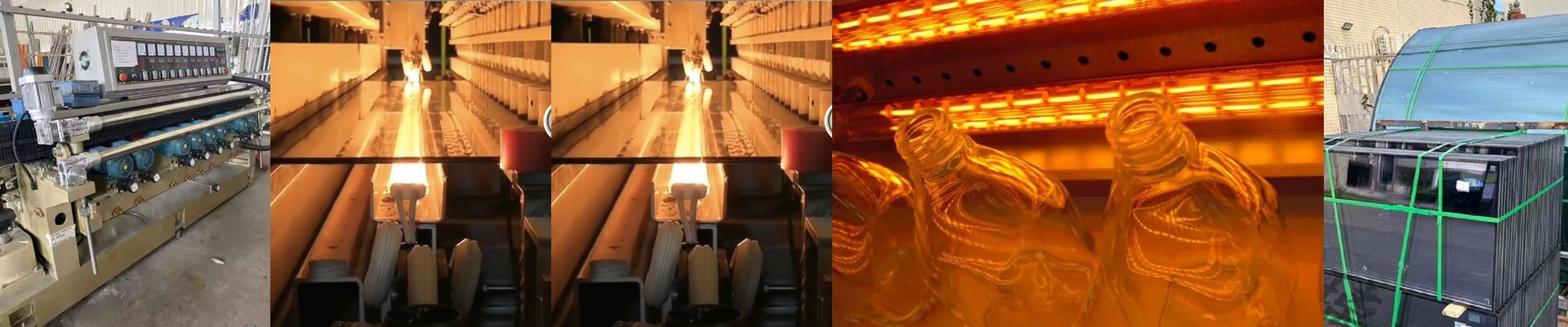
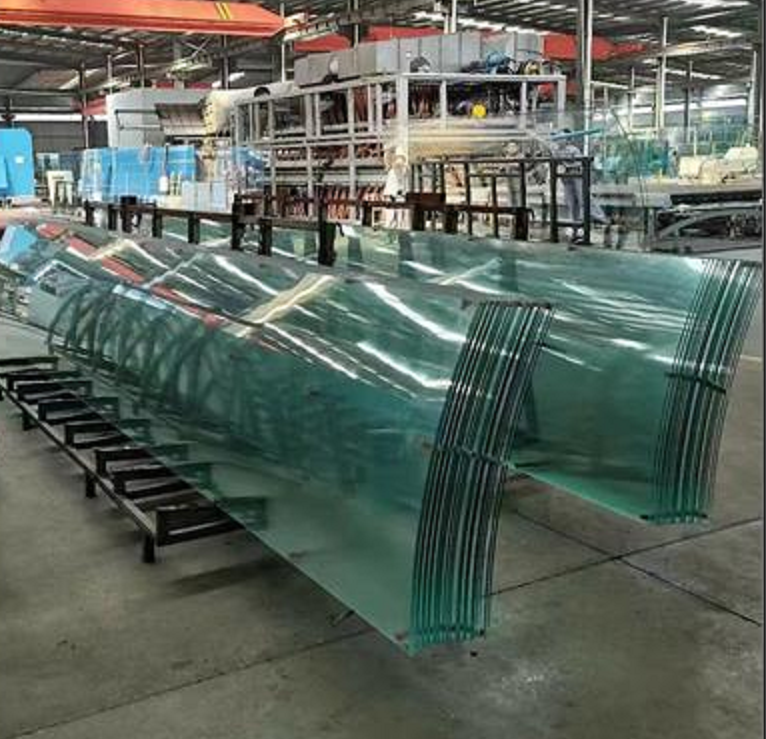
Ever try to anneal a piece of glass with a weird shape or a deep curve, only to find a “cold spot” that ruins the whole thing? It happens. Standard convective heating just doesn’t cut it because the hot air can’t actually get into those tight corners or deep recesses. It’s like trying to dry a wet sponge by blowing air at the outside of it. That’s why we use shortwave infrared (IR) quartz heating tubes. Instead of relying on air, the IR radiation goes straight through the glass surface. It hits the core and the edges at the same time, so everything reaches that soak temperature together. No more guessing.
Getting the Heat Layout Right
To really kill those dead zones, you need a lot of power in a small space. We usually set up the quartz tubes in a multi-axis array—basically wrapping the heat around the vessel like a warm blanket. Now, here is the tricky part. The wattage and voltage you pick dictate how much heat is actually hitting the glass. High-wattage tubes get you up to temperature fast, but make sure your power supply can take the initial hit when they kick on. But be careful. If you cram too much wattage in there without leaving enough space, you’ll create “hot spots.” That’s a recipe for thermal shock, and that’s how you end up with cracked glass.
Why Quartz?
We stick with high-purity quartz for the tubes. Why? Because it can handle the brutal cycle of heating up and cooling down over and over without warping. Plus, it’s clear, so the IR energy just slides right out of the tube without getting trapped. If you’re dealing with really strange shapes, we usually suggest adding a focused reflector. It basically bounces those IR rays into the “shadows” of the container where the heat normally can’t reach.
Keeping Things Running
The best part about these tubes is that they’re drop-in replacements. When one finally burns out, you just swap it. You don’t have to tear the whole kiln apart. One quick tip: keep your contacts clean. If oxidation builds up at the terminals, you get more resistance, and the tube will die way sooner than it should. And just a heads-up—IR needs a clear line of sight to work. If you stack your glassware too densely, the tubes in the middle of the pile have to work twice as hard as the ones on the outside. They’ll burn out faster, so give your pieces some breathing room.