

The Brutal Truth About Bathroom Infrared Heaters
Let’s talk about bathroom heaters. We make plug-in wall units specifically for that space, and we’re honest about what it’s like in there. It’s rough. Steam, condensation, and wild temperature swings will find every weak spot in a heating element. So here’s our approach: if a bathroom infrared heater survives our accelerated aging tests, it can handle your actual installation. No question.
Power, Heat, and What It Actually Feels Like
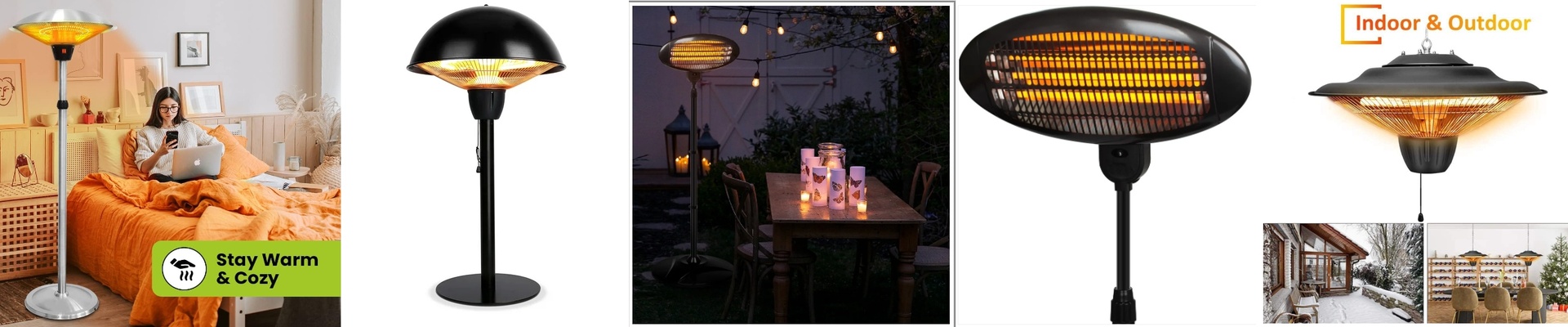
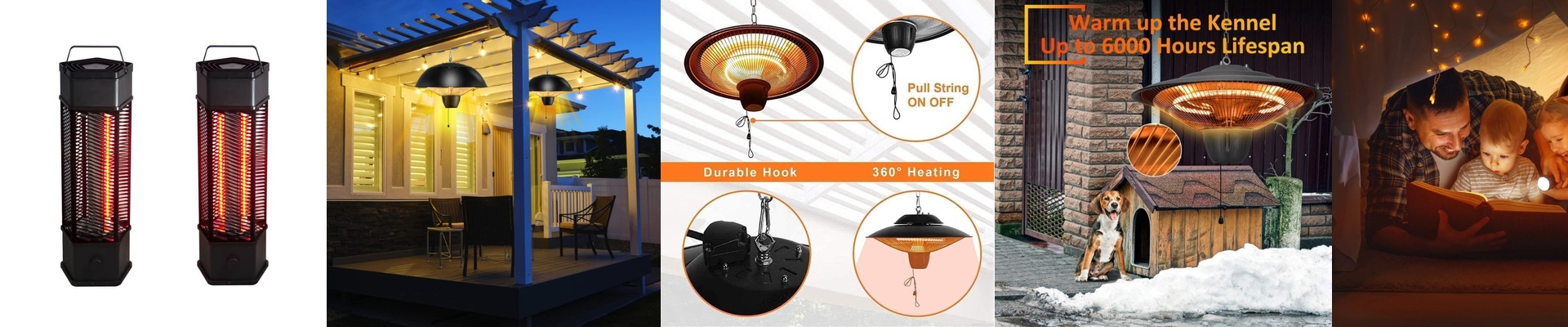
We designed these infrared lamps to give you fast, targeted heat without tripping circuits. They put out concentrated infrared energy that warms surfaces and people directly. That means you get warmth almost immediately, and the electrical load stays predictable. But there’s a trade-off. These lamps run hot. So the fixture and wiring have to be rated for continuous high heat. If you want that quick response in a compact package, you need proper clearance and ventilation around the unit. Otherwise, overheating becomes a real concern.
The Materials That Make It Bulletproof
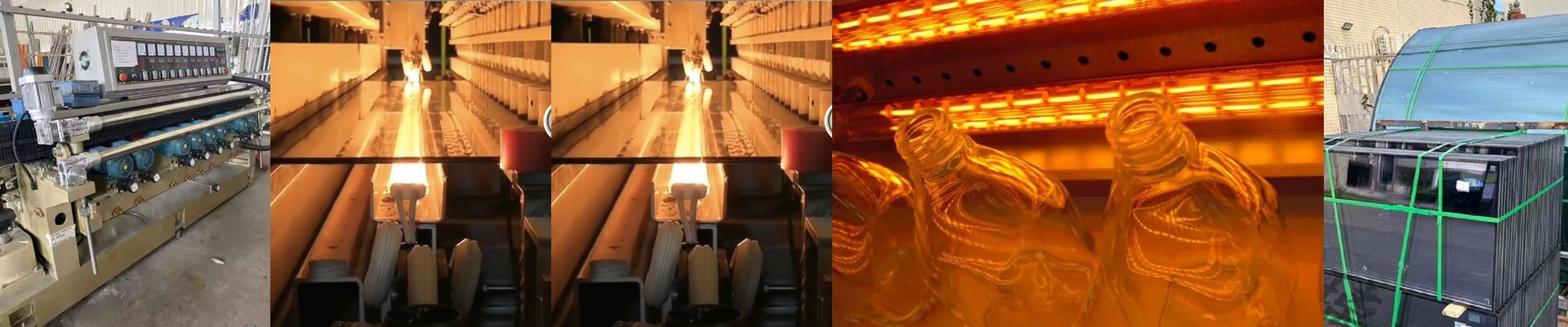
We use halogen-filled quartz envelopes. Why? They handle thermal shock far better than standard glass, and they keep the output stable over time. The halogen cycle also keeps the element cleaner, which helps performance stay consistent. And the connectors matter. We use R7s bases because they create a secure, high-temperature connection that installers can wire up quickly. When it’s time to replace the lamp, it’s straightforward—no special tools, just a standard swap.
Why Aging Testing Isn’t Optional
Bathroom infrared heaters aren’t just comfort add-ons. They’re reliability-critical equipment. That’s why every unit goes through humid, high-temperature aging. We run the lamp continuously in湿热 conditions to speed up moisture ingress and thermal stress. If the element, seals, and connections can take that beating, they can take years of real bathroom duty. For engineers and facility managers, that translates into predictable maintenance and fewer callbacks. The spec delivers on installation speed and heat delivery, but it only matters if the lamp can survive the environment. We test for that. So you don’t have to.