Why Your Bathroom Heater Shouldn’t Be a Safety Risk
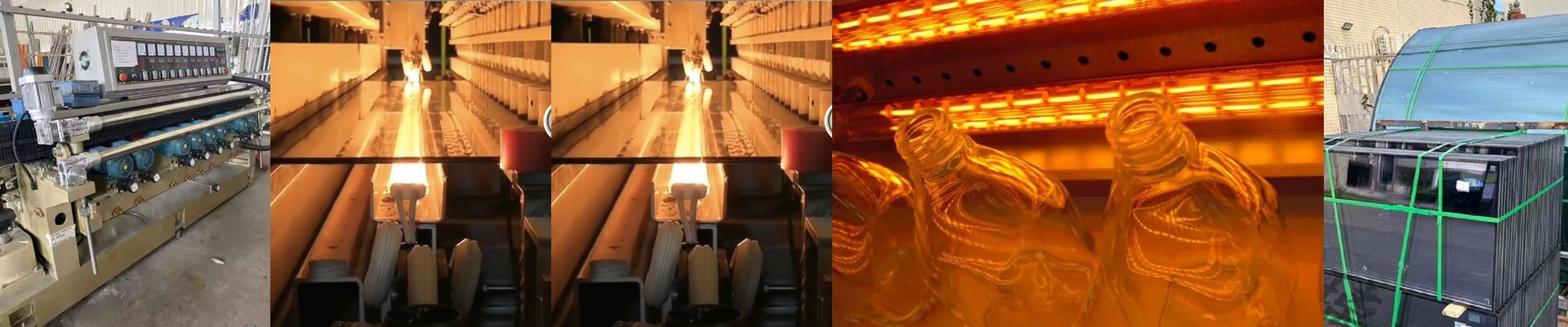
Ever wonder why some bathroom heaters just feel… flimsy? Here is the problem: ceiling heaters in bathrooms are fighting a losing battle against water. When you’ve got a heating element glowing at 800°C and a stray drop of cold water hits it, the glass doesn’t just crack. It shatters. That’s called thermal shock, and in a small room with you standing right under it, that’s a nightmare scenario. That’s why we use explosion-proof quartz tubes.
Dealing with the “Pop”
Now, quartz is tough, but it isn’t magic. The temperature difference between a red-hot tube and a cold water droplet is just too much for standard glass to handle. If it snaps, the filament inside burns out instantly, and the tube pops. We fixed this by adding a high-strength outer shell and some specialized coatings. Think of it like a safety net. If the inner glass does break, the outer layer holds everything together. Instead of a spray of glass shards raining down on you while you’re scrubbing your face, the failure is contained. It stays in the tube.
The Nitty-Gritty Stuff
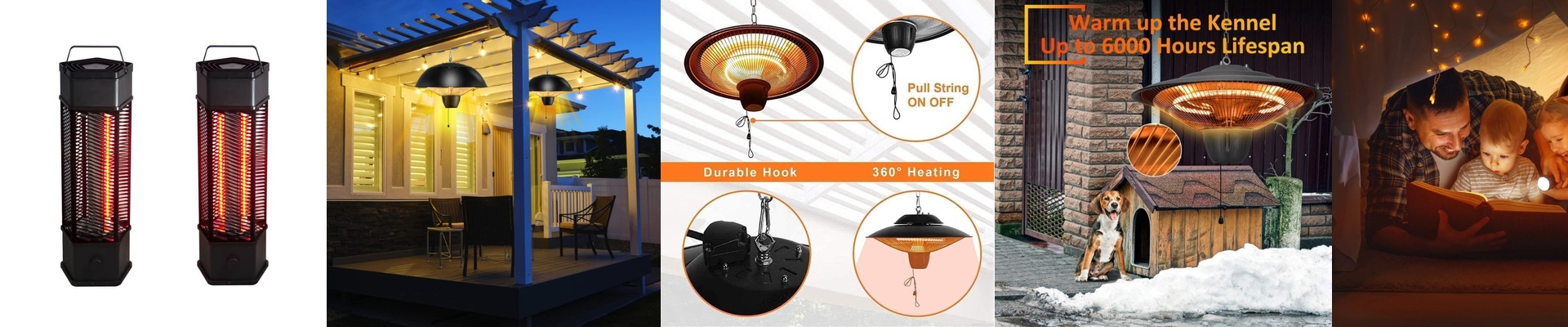
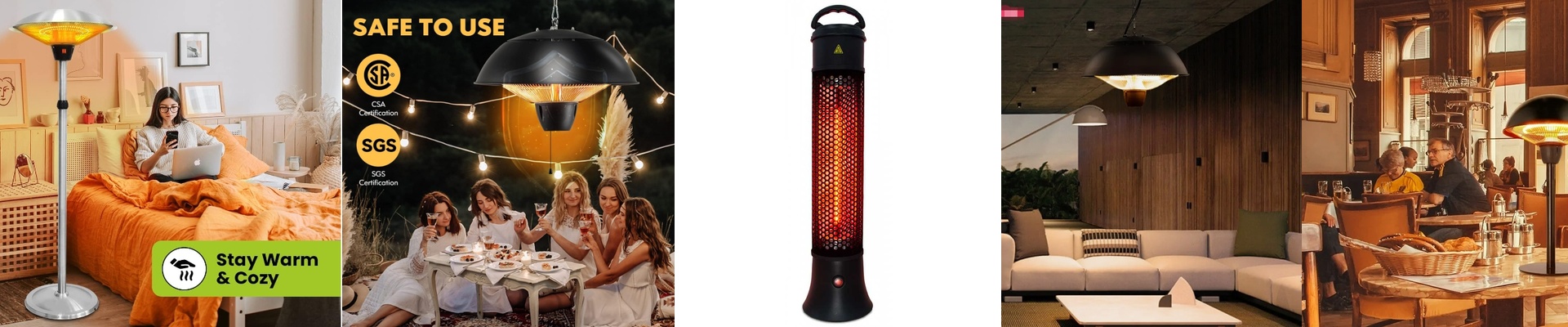
These lamps use short-wave infrared. In plain English? The heat cuts right through the steam and humidity to hit you directly, rather than just warming up the air in the room. We also use heavy-duty seals because moisture is the enemy of the filament. One quick tip: keep an eye on your wiring. These units pull a lot of power. If you’re running three or four of these lamps at once on a circuit that isn’t built for it, you’re going to trip your breaker. Not exactly the vibe you want when you’re stepping out of a cold shower.
What to Expect During Install
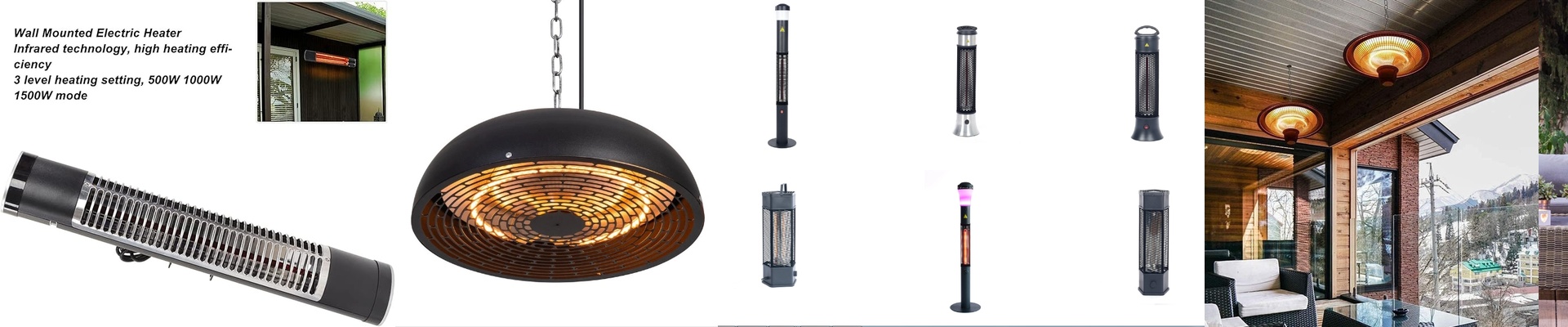
Since the heat source is sitting right above your head, the reflectors have to be spot on. We use polished aluminum or gold plating to make sure all that warmth is pushed straight down where you actually need it. One thing to keep in mind: these explosion-proof tubes are a bit denser than the cheap, thin ones. They take a few extra seconds to get up to full temperature. It’s a small trade-off. You wait a couple of seconds longer for the heat to kick in, and in exchange, you get a heater that won’t explode just because the bathroom got a little steamy. Seems like a fair deal.