
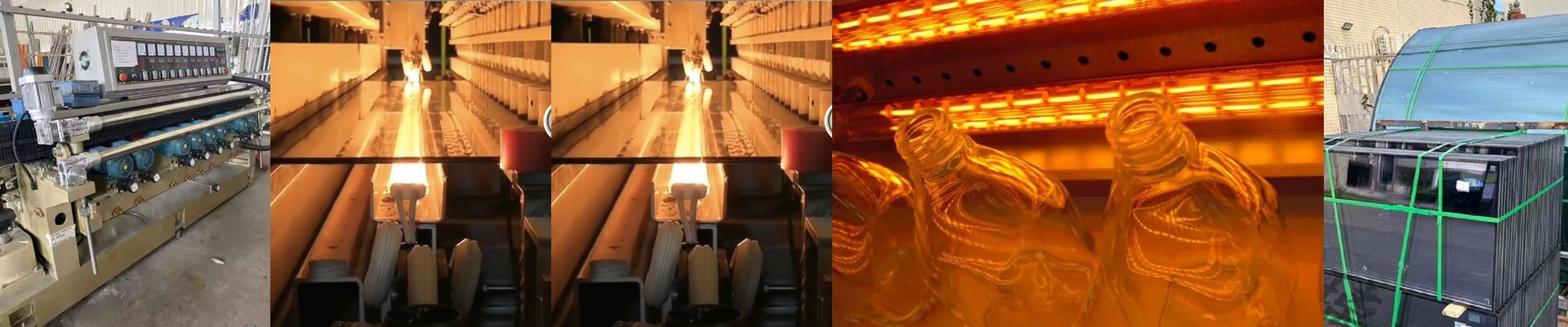

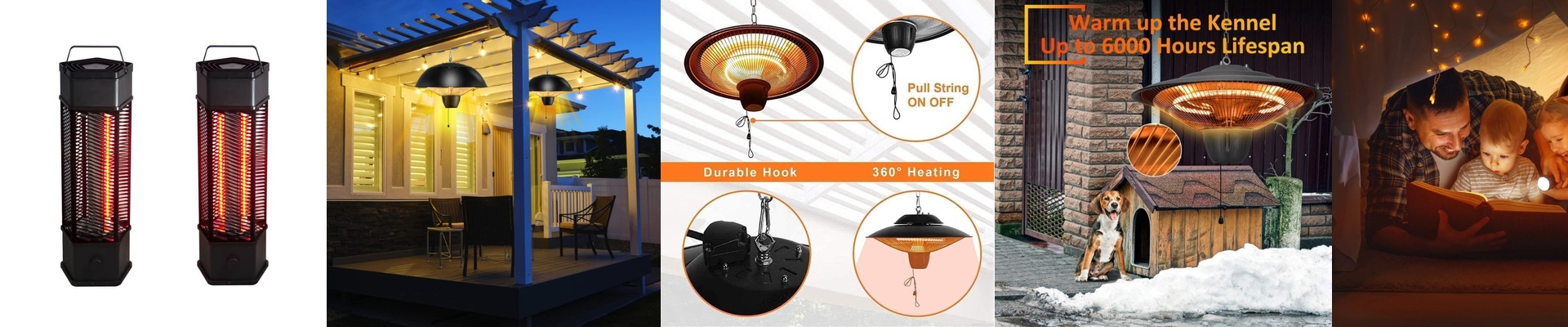
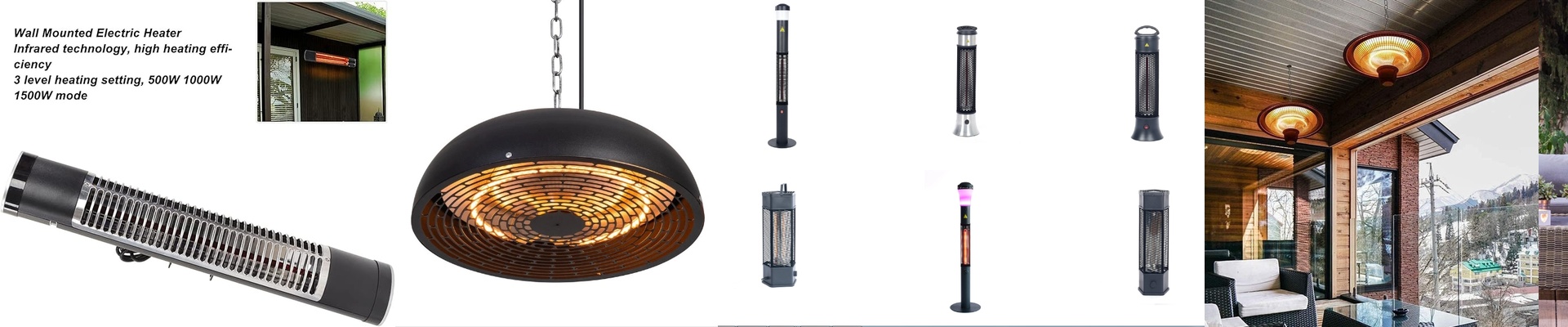
On a cold factory floor, a drop in temperature isn’t just uncomfortable. It slows people down, tightens muscles, and can throw off product consistency. When the schedule is tight, an industrial electric heater has to fire up fast, hold steady, and keep running without drama. What matters, technically We lean on radiant heat—infrared warmth that goes straight to people and surfaces instead of wasting energy heating the air. The units come in power ratings that can handle large spaces, and they’re built around durable quartz elements that keep output consistent. The heat stays focused where you need it, and the housing is tough enough for dusty, busy work areas. Why this works in real workshops In workshops, warehouses, and production lines, workers feel comfort almost immediately, and equipment is less likely to act up in the cold. Radiant warmth supports circulation and eases stiffness on long shifts, which can help people stay focused and less fatigued. And when uptime matters, you’ve got backing: if the heater has a fault in the first year, our after-sales support steps in quickly so operations don’t get stranded. The details that make the difference Infrared heat does its best work when the heater is positioned to reach the target area, and it performs well in spaces with normal ventilation. Installation needs proper electrical provisioning—match the voltage and use a suitable connection point. In damp environments, check the IP rating and plan placement accordingly. Size the unit for the space, and run it with a thermostat when you can. You’ll get steady comfort without overheating.