


Getting Your Infrared Elements to Actually Work With Your Grid
When we talk about matching a heating element to your local power grid, we aren’t just checking a box for “compatibility.” We’re talking about whether your equipment survives the week or burns out in ten minutes. If you’re spec-ing out infrared lamps for batch furnaces, remember that the voltage is what dictates everything—from how thick the filament is to how much heat is actually packed into the tube.
The Voltage Headache: 110V to 575V
You can’t just pick one voltage and call it a day when you’re dealing with global gear. Take a 110V element. To get the wattage you need, you have to use a heavy filament. That changes the thermal inertia—basically, how the lamp heats up and cools down. Then you have the industrial heavy-hitters in North America and Canada, where 480V and 575V are the norm. The goal there is to keep the current draw low. Lower current is a win. It means you can use thinner wiring and smaller breakers without worrying about everything melting. We build our elements specifically for these loads. But be careful. If you plug a 480V lamp into a 220V circuit, you’re going to get almost no heat. Do the opposite?**Pop.**Your filament is gone instantly.
Heat Density and the Trade-off
High-voltage lamps are beasts. They cram a massive amount of heat into a tiny space, which is a lifesaver if you need your batch processing to ramp up fast. But there’s a catch. That kind of intense heat puts a lot of stress on the quartz envelope. You’ve got to make sure your furnace housing and cooling fans can actually handle the heat rise. If they can’t, you’ll end up warping your reflectors, and then you’ve got a much bigger problem on your hands.
Making it Work Anywhere
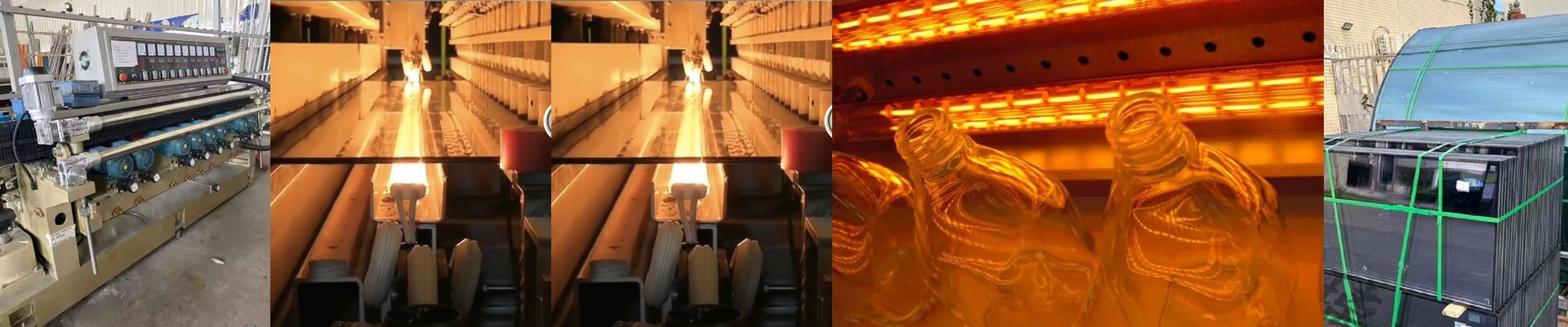
We do drop-in replacements for pretty much any regional standard. Maybe you need a specific wattage for a PET blowing setup or a weird custom length for a curing oven. Either way, we start with the voltage. We match the filament alloy to that voltage so the lamp hits the right temperature without spiking. Get your voltage and amperage right from the start, and these elements will take a beating for thousands of hours without giving up on you.