
Remote Control Space Heaters: Smart Heat for Industrial Spot Jobs
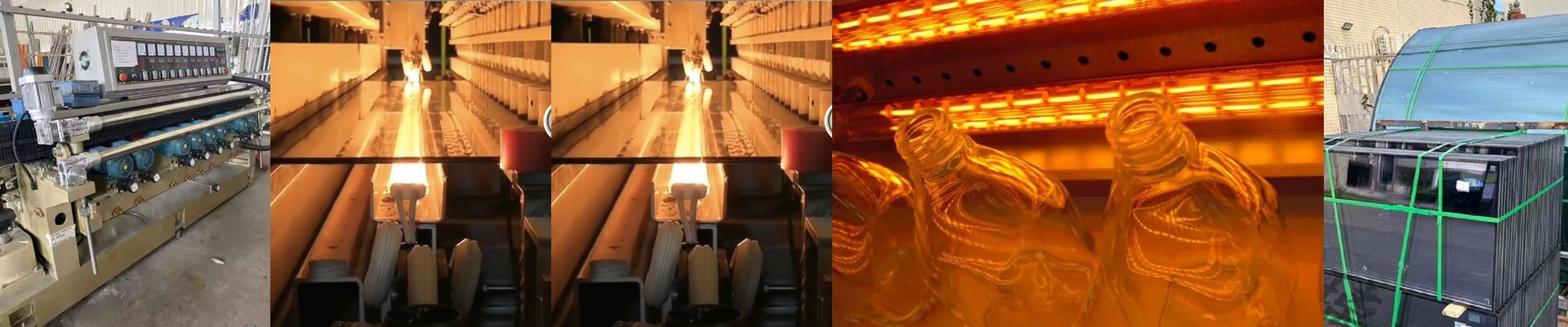
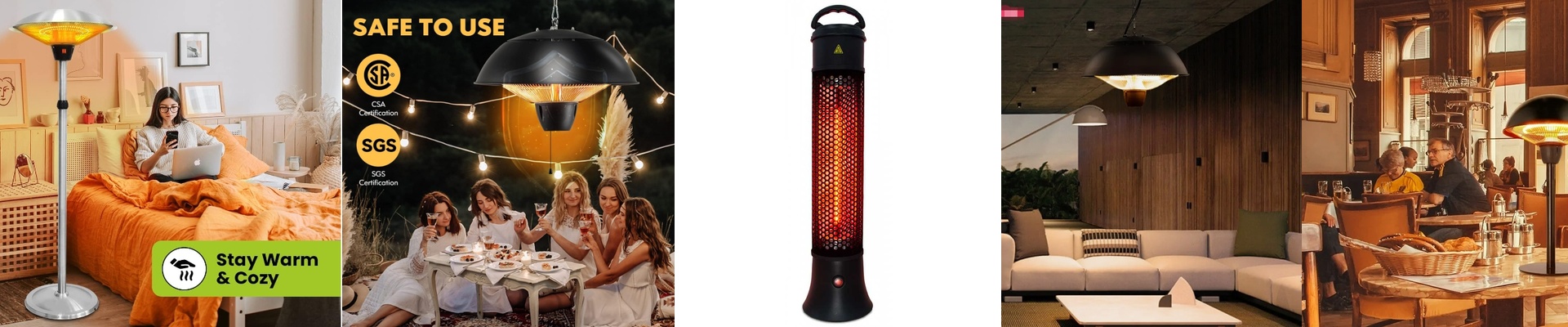
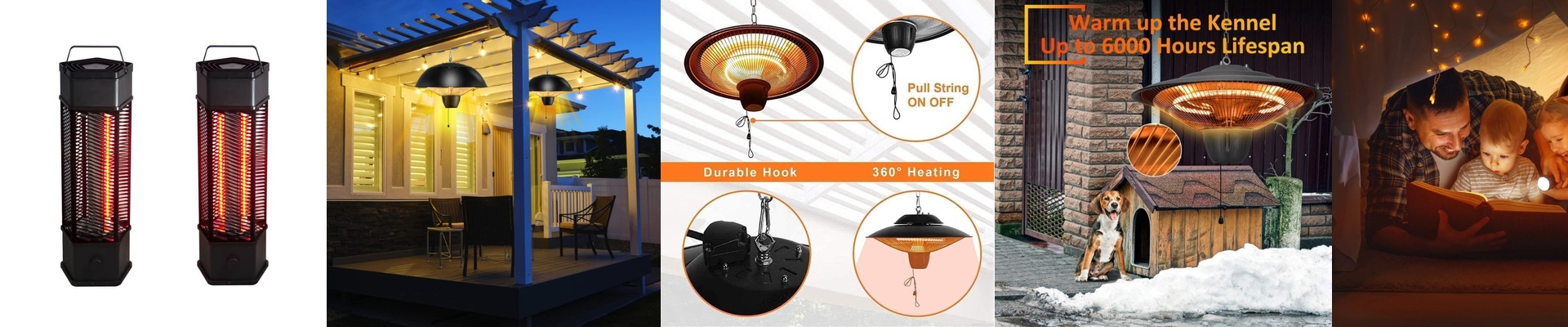
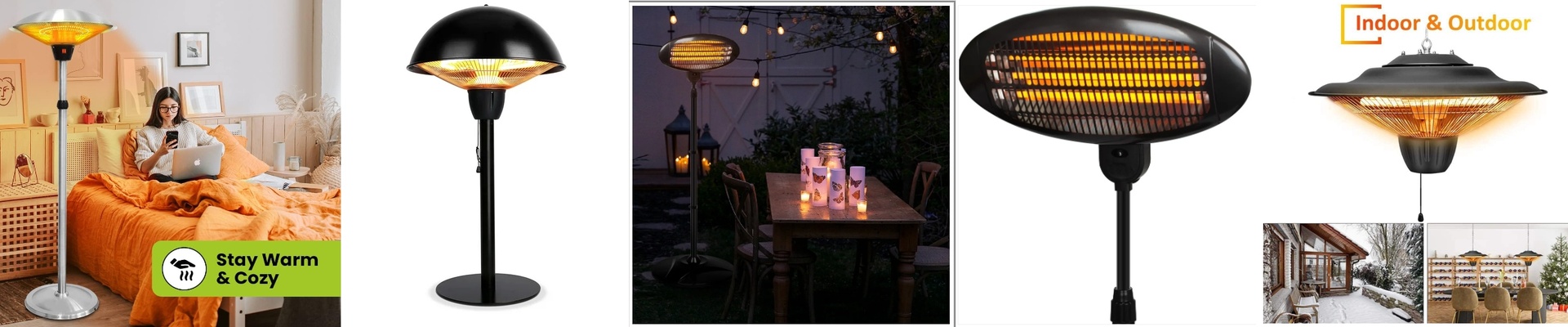
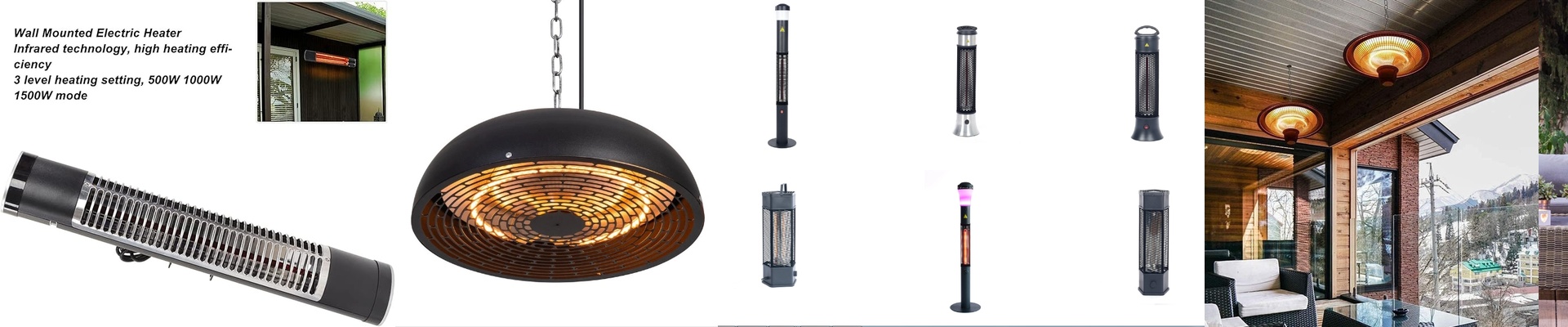
We build remote-control space heaters for industrial spaces where you just need to warm one spot—without tearing apart the whole plant. These units are all about targeted heat: warming a specific work area, keeping materials from getting brittle, or steadying a process that can’t afford the cold. When you need heat you can control, right where you need it, that’s what these do.
Power, Voltage, and Size: What Makes Them Tick
Let’s get into the heart of it. We match the heating element to your power supply, offering 230V or 400V setups, and we size the wattage to the heat load you’re after. More wattage means faster warm-up. Just keep in mind: higher wattage also means your wiring and overcurrent protection need to be on point. As for size, these heaters are compact—often around 300mm long. That’s the kind of footprint that slips into tight corners without crowding your workspace. It’s why they shine in spots where space is tight and the heat has to land exactly where the process needs it.
Materials and Design: Built to Stay Consistent
We use quartz envelopes because they handle fast heating and cooling cycles without breaking a sweat, keeping output steady. Halogen elements keep the filament life long by running hotter and cleaner, so the heat stays consistent over time. The R7s base? Practical choice. It gives you solid, repeatable contact and makes the lamp a simple drop-in replacement in standard fixtures. Inside, a reflector coating pushes infrared energy forward, so you get more intensity where it matters—right on the target surface.
On the Floor: Quick Control, Clean Heat
Out on the shop floor, the remote control is a game-changer. You adjust the output without walking over to the unit, which cuts downtime and keeps the operator focused on the work. The heat is concentrated, so you waste less energy and keep temperature profiles consistent. A heads-up: high heat density means the area around the heater can get warm, so plan for enough clearance and ventilation. For engineers, this setup is about control, reliability, and an install that’s fast and clean.