

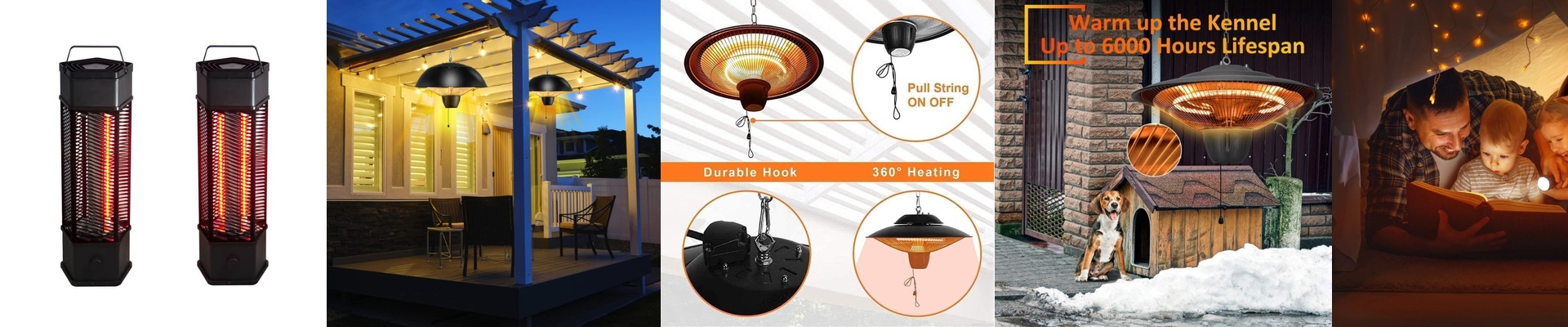
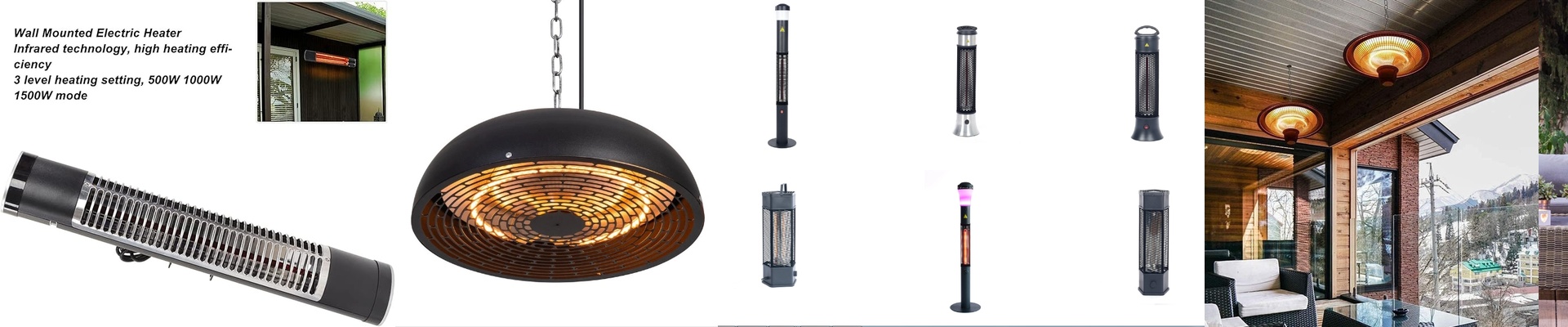
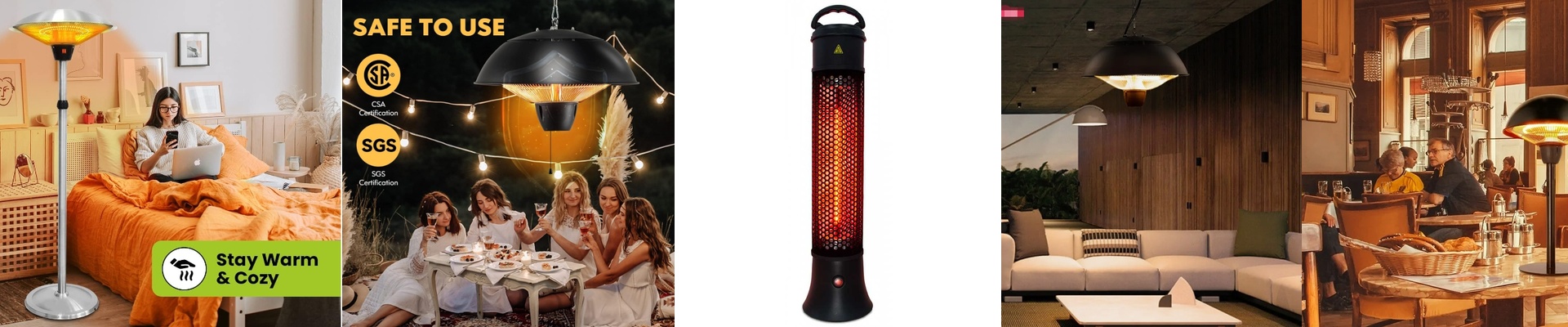
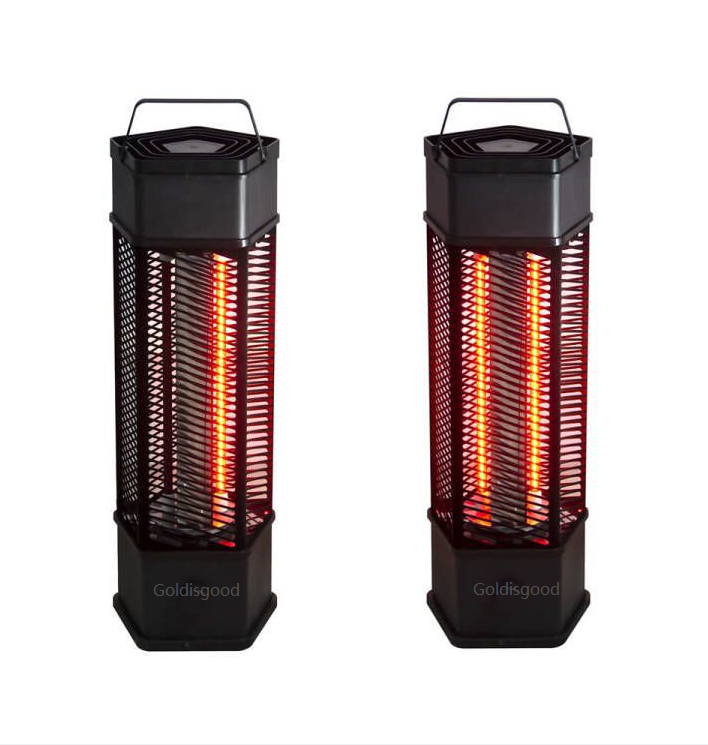
Power and Specs: The Real-World Numbers
Let’s talk about what’s under the hood. This living room space heater runs on a 400V, 2500W halogen heating tube, and it’s just 300mm long. That 400V rating is a smart move—it keeps the current draw reasonable for standard household wiring, so you don’t need to rewire your whole place. And that 2500W output? It packs a serious punch into a small space. The result? You get warmth, fast. No waiting around for a bulky unit to crank up. The 300mm length is all about fit. It slips into tight spots where longer heating elements just can’t go.
The Inside Story: Halogen Element and the R7s Connection
Inside, you’ve got a quartz halogen element. It holds steady resistance and keeps the heat consistent, even when temperatures jump around. The halogen cycle does its part to fight off blackening and keeps the filament healthy, no matter how many times you cycle the heat on and off. Then there’s the R7s connector—a simple, straight two-pin setup. It’s quick to wire and locks in place cleanly. It’s built to handle the expansion and contraction of the quartz tube without putting stress on the connections.
Why It Works: Direct Heat, Right Where You Need It
This setup is made for direct radiant heating in your living room. It throws heat exactly where you point it, so you feel that warmth almost instantly. No waiting for air to slowly circulate. Now, here’s the trade-off: 2500W means you need proper airflow and clearance. Plan your enclosure and thermal protection carefully to keep surface temps in check and prevent overheating.
The Safety Reality: Handle the Heat Like It Means It
With 2500W packed into a 300mm tube, the heat density is serious. So your design has to include solid heatsinking, good ventilation, and a dependable over-temperature cutoff. Treat this like the industrial-grade heat it is. Map out the thermal path first. Then, and only then, do you wire it up.