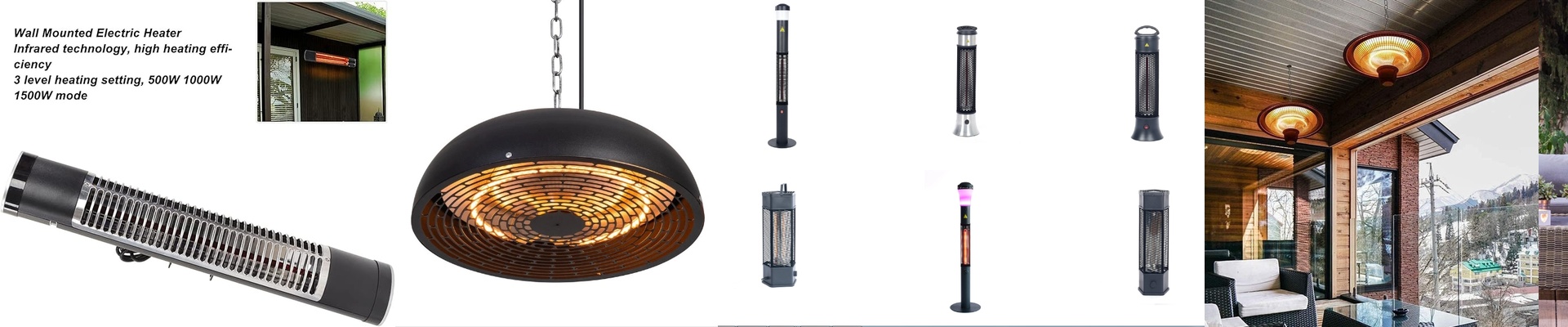
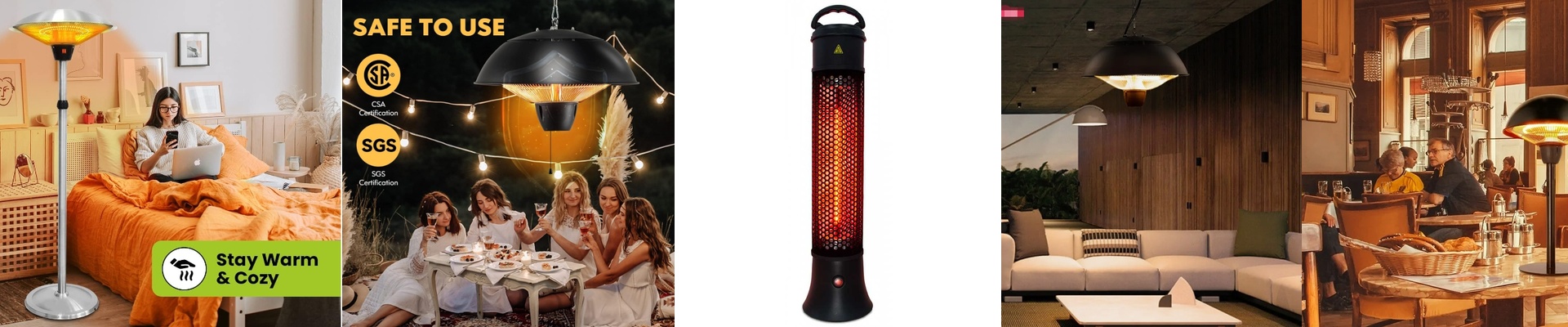
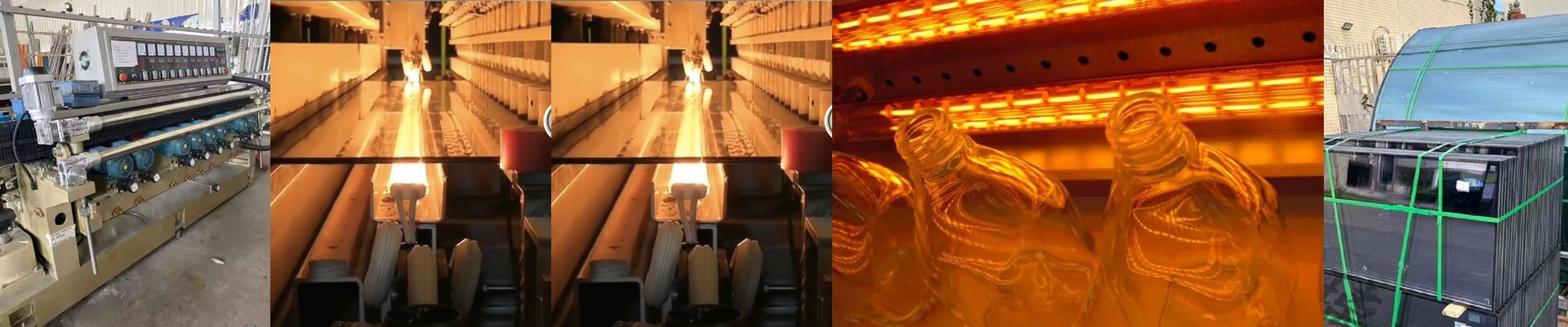
On the glass processing floor, a slow or uneven cure doesn’t just cost time—it costs scrap. When you’re running mobile phone glass through lamination or coating drying, the heating module has to hit setpoint quickly, hold tight uniformity, and keep thermal stress off the substrate. If the lamp can’t keep up, you’re looking at micro-fractures, edge warp, and rejected batches that stack up fast.
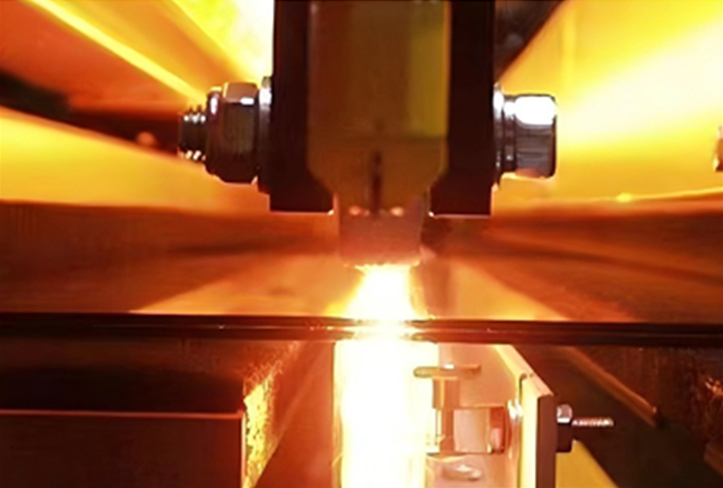
What Matters Technically We built this curing lamp around short-wave NIR quartz emitters, tuned for glass and thin-film coatings. The spectral output is matched to high absorption, so the energy goes into the work, not into heating the air. Typical modules run 1–3 kW, with dense filament layouts that give you a uniform thermal field and keep hot spots down. Response is near-instant—full power on demand, no warm-up idle. The quartz envelope handles thermal shock and holds output stability cycle after cycle. For integration, we stick to standard mounting and wiring so the lamp drops into existing lines without redesigning the oven or station. Why It Works Here In high-throughput glass processing, speed and repeatability drive yield. This lamp cuts curing time, shortens the thermal profile, and frees up station capacity without spiking peak demand. The even temperature spread reduces thermal stress, which drops breakage and keeps dimensional tolerances consistent—important when you’re running 2.5D and 3D phone glass. Energy use falls because the energy is delivered straight to the target, and the emitter life stretches out replacement intervals, cutting spares inventory and downtime. Things to Know NIR curing is line-of-sight, so fixture design has to ensure full part coverage, and you need to keep reflectors clean to maintain uniformity. Confirm your line voltage and connector type before ordering—mismatched wiring can hurt performance and safety. Also, when you switch from halogen or convection heating, re-tune your process window. You can often run at a lower setpoint and still get better cure quality. Plan a short validation run to lock in speed, distance, and dwell time.
רצפת עיבוד הזכוכית, טיפול איטי או לא אחיד אינו עולה רק בזמן – הוא עולה גם בפסולת. כאשר מפעילים זכוכית לטלפונים ניידים בתהליכי למינציה או ייבוש ציפויים, מודול החימום חייב להגיע לנקודת ההגדרה במהירות, לשמור על אחידות הדוקה ולהימנע ממתח תרמי על המצע. אם הנורה לא עומדת בקצב, התוצאה תהיה סדקים מיקרוסקופיים, עיוותי קצוות, ואצוות דחויות שיצטברו במהירות.
מה חשוב מבחינה טכנית
בנינו את נורת הקירור הזו סביב פולטי קוורץ NIR בגל קצר, מכוונים לזכוכית ולציפויי סרט דק. הפלט הספקטרלי מותאם לספיגה גבוהה, כך שהאנרגיה מועברת לעבודה עצמה ולא לחימום האוויר. מודולים טיפוסיים פועלים בטווח 1–3 kW, עם סידור צפוף של סיבי החימום שיוצרים שדה תרמי אחיד ומפחיתים נקודות חמות. התגובה כמעט מיידית – הספק מלא לפי דרישה, ללא המתנה לחימום מראש. מעטפת הקוורץ מתמודדת עם הלם תרמי ושומרת על יציבות הפלט מחזור אחרי מחזור. לצורך אינטגרציה, אנו שומרים על התקנה וחיווט סטנדרטיים כך שהנורה משתלבת בקווי הייצור הקיימים ללא צורך בשדרוג התנור או התחנה.
מדוע זה עובד כאן
בתהליכי עיבוד זכוכית בעלי תפוקה גבוהה, מהירות וחזרתיות הם הגורמים המשפיעים על התפוקה. נורה זו מקצרת את זמן הקירור, מקצרת את הפרופיל התרמי ומשחררת קיבולת תחנה מבלי לגרום לקפיצות בביקוש הפסגה. פיזור הטמפרטורה האחיד מפחית את המתח התרמי, מה שמפחית שבירות ושומר על סבילות ממדיות עקביות – דבר חשוב במיוחד בעיבוד זכוכית 2.5D ו-3D לטלפונים. צריכת האנרגיה יורדת כיוון שהאנרגיה מועברת ישירות למטרה, וחיי הפולט מאריכים את מרווחי ההחלפה, מקטינים מלאי חלפים וזמן השבתה.
דברים שכדאי לדעת
קירור NIR תלוי בקו הראייה, לכן עיצוב התאורה חייב להבטיח כיסוי מלא של החלק, ויש לשמור על ניקיון המראות לשמירה על אחידות. יש לוודא את מתח הקו וסוג החיבור לפני ההזמנה – חיבור לא תואם עלול לפגוע בביצועים ובבטיחות. בנוסף, בעת מעבר מחימום בהלוגן או קונבקציה, יש לכייל מחדש את חלון התהליך. לעיתים ניתן להוריד את נקודת ההגדרה ועדיין לקבל איכות קירור משופרת. מומלץ לתכנן ריצת אימות קצרה לקיבוע מהירות, מרחק וזמן שהייה.