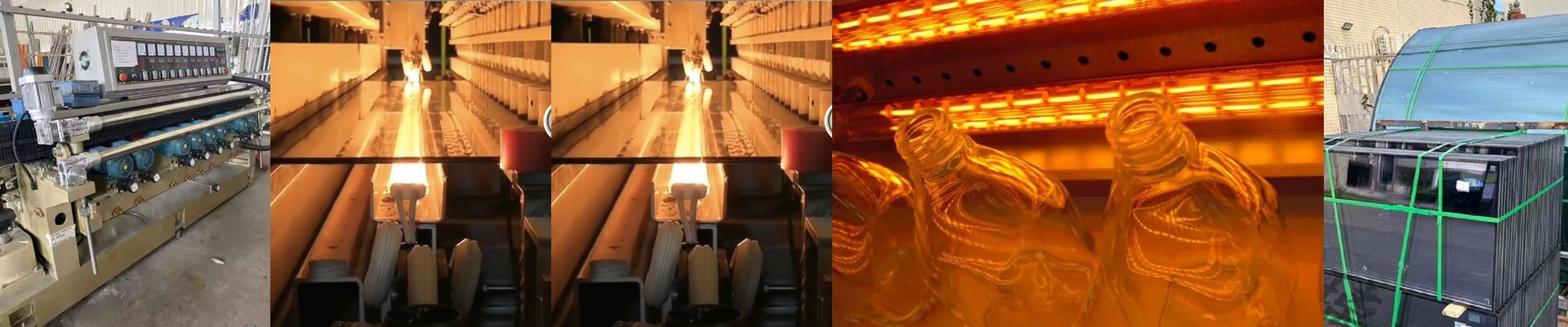
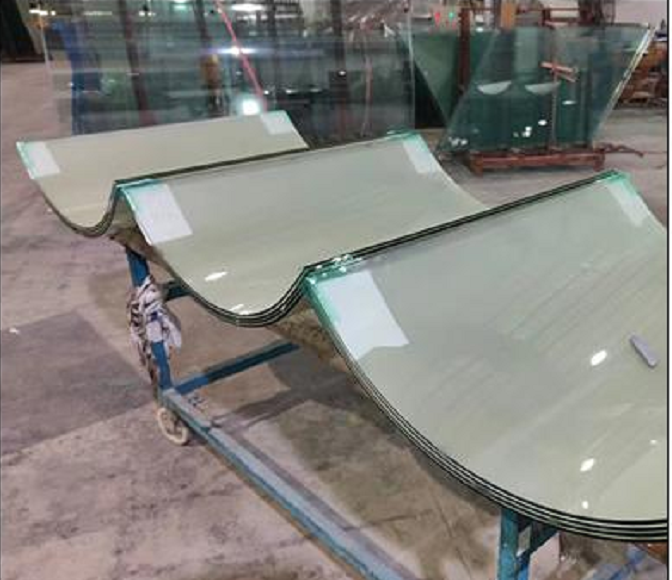
Out on the line, a single hotspot or uneven heat profile doesn’t just show up as a quality issue—it becomes scrap. You see thermal stress fractures during tempering, optical distortion in bent parts, and weak edges when you laminate. Convection-heavy heaters also fight thin, coated, or low-emissivity glass. That’s why we run near infrared (NIR) lamps in our own production cells. NIR puts the energy in the short-wave band, so it punches through the glass fast and relies far less on air convection. The quartz envelope packs high power density into a small footprint, so the lamp fits standard oven zones and retrofit modules. We tune the spectral output to match the glass emissivity, and the reflector geometry is set to map the heat flux into a uniform thermal field. Uniformity is the whole point. It prevents local expansion gradients that drive warp, bow, and optical aberration. In practice, you get a repeatable heating profile edge to edge, across the entire sheet. On the floor, that translates into fewer headaches. In tempering, uniform NIR heating cuts down on edge compression issues and lowers breakage during quench. In lamination, the faster temperature rise shortens the cycle without scorching the interlayers, and the temperature uniformity across the stack gives consistent bond strength. For insulating glass sealing and coating drying, the tight thermal control reduces pinholes, haze, and wrinkling. Energy use drops too, because NIR hits the load directly instead of heating the chamber walls. Set yourself up for success. NIR lamps pull high current at startup, so size the wiring, contactors, and fusing to the peak load. Keep reflectors clean and set the lamp-to-glass distance within the process window—too close and you risk hot streaks, too far and uniformity falls apart. Expect lamp life around 5,000 hours in continuous duty, with output drift managed by closed-loop control. Run it that way, and the line turns quieter—fewer rejects, less downtime.
در خط تولید، یک نقطه داغ منفرد یا پروفیل حرارتی نابرابر تنها بهعنوان یک مشکل کیفیت ظاهر نمیشود، بلکه تبدیل به ضایعات میگردد. در هنگام عملیات تمپرینگ، ترکهای ناشی از تنش حرارتی مشاهده میکنید، در قطعات خم شده انحراف نوری رخ میدهد و لبههای ضعیف هنگام لمینت ایجاد میشوند. گرماسازهای متکی بر جابجایی هوا نیز با شیشههای نازک، پوششدار یا با تابش پایین مشکل دارند. به همین دلیل، در سلولهای تولیدی خود از لامپهای نزدیک به مادون قرمز (NIR) استفاده میکنیم. لامپهای NIR انرژی را در باند موج کوتاه متمرکز میکنند، بنابراین به سرعت از شیشه عبور میکند و به جریان همرفت هوا وابستگی کمتری دارد. پوشش کوارتزی لامپ چگالی توان بالایی را در سطح کوچک جمع میکند، بنابراین لامپ در زونهای استاندارد کوره و ماژولهای ریتروفیت جای میگیرد. خروجی طیفی را به گونهای تنظیم میکنیم که با ضریب تابش شیشه تطابق داشته باشد و هندسه رفِلکتورها طوری طراحی شده که شار حرارتی را در یک میدان حرارتی یکنواخت توزیع کند. یکنواختی دقیقاً هدف اصلی است. این موضوع از ایجاد گرادیانهای انبساط موضعی که باعث کج شدگی، قوس و انحراف نوری میشوند، جلوگیری میکند. در عمل، پروفیل گرمایی تکرارپذیری از لبه تا لبه و در سراسر ورق بدست میآید. در کف کارخانه، این به معنای کاهش مشکلات است. در عملیات تمپرینگ، گرمایش یکنواخت NIR باعث کاهش مشکلات فشردهسازی لبهها و کاهش شکست حین کوئنچ میشود. در لمینیشن، افزایش سریعتر دما چرخه را کوتاهتر میکند بدون اینکه لایههای میانی آسیب ببینند و یکنواختی دما در سراسر پشته، استحکام چسبندگی ثابت را تضمین میکند. در عملیات آببندی شیشه عایق و خشککردن پوشش، کنترل دقیق حرارتی باعث کاهش سوراخهای ریز، مهگرفتگی و چروکیدگی میشود. مصرف انرژی نیز کاهش مییابد چون NIR مستقیماً به بار انرژی میرساند و دیوارههای محفظه را گرم نمیکند. برای موفقیت، موارد زیر را رعایت کنید: لامپهای NIR هنگام راهاندازی جریان بالایی میکشند پس کابلکشی، کنتاکتورها و فیوزها را طبق بیشینه بار انتخاب کنید. رفِلکتورها را تمیز نگه دارید و فاصله لامپ تا شیشه را در بازه فرایندی تنظیم کنید—فاصله خیلی کم باعث ایجاد خطوط داغ و فاصله زیاد یکنواختی را به هم میزند. طول عمر لامپ در حالت کار مداوم حدود 5,000 Hours است و تغییر خروجی توسط کنترل حلقه بسته مدیریت میشود. با این روش، خط تولید آرامتر میشود—ضایعات کمتر و زمان توقف پایینتر.