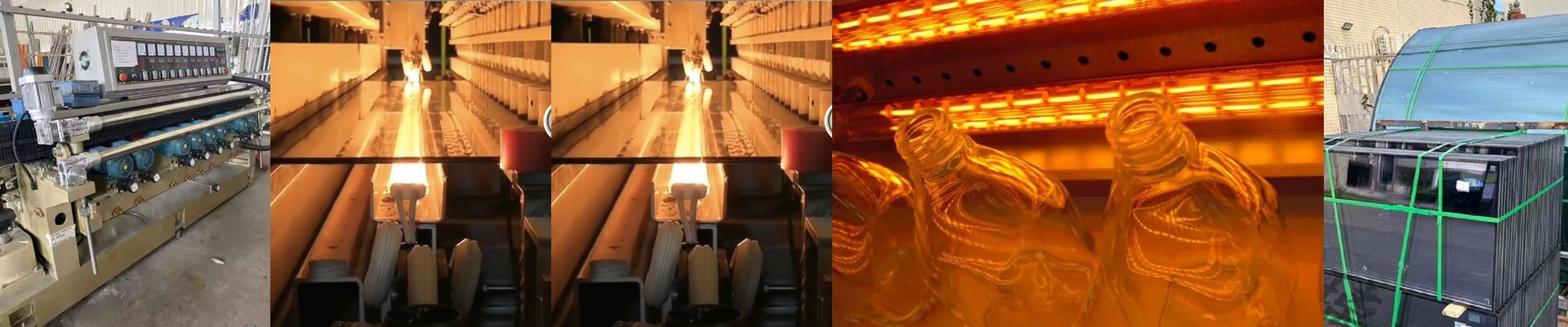


Why Your Glass is Warping (And How the Right Lamps Fix It)
Ever feel like you’re fighting your own equipment? You’ve got your batch-style annealing set up, but the results are all over the place. One sheet comes out perfect, the next has a weird warp, and then—bam—another one just snaps for no apparent reason. Usually, the culprit is thermal gradients. Here is the thing: if one lamp in your array is pumping out 5% more energy than the guy next to it, you’ve got a problem. That tiny difference creates uneven stress across the glass. It’s not much on paper, but in the oven, it’s the difference between a sellable product and a pile of scrap. The “Invisible” Hot Spot Problem We talk a lot about “consistency,” but what does that actually mean? It means the heat coming off every single tube matches the spec. If your lamps are drifting—meaning some are hotter and some are cooler—your PID controllers are basically guessing. Your sensors might tell you the average temperature is fine, but the glass doesn’t care about averages. It’s feeling those hot and cold spots in real-time. Getting the Hardware Right Depending on how thick your glass is, you’ll want either short-wave or medium-wave IR. We use high-purity quartz envelopes because they keep the heat spectrum steady, even as the lamp gets older. But you can’t just throw any lamp in there. You have to match the length and wattage to the actual footprint of your heating zone. Just a heads-up: if you go for higher wattage to get more heat density, keep an eye on your power supply. Make sure your wiring and contactors can handle that peak current, or you’re just asking for a burnout. The Secret to Making Lamps Last It’s tempting to crank the voltage to the max to get your ramp-up times down. It’s faster, sure. But it kills your filaments. I always recommend running your lamps at about 90% of their max rated voltage. You lose a tiny bit of intensity, but you gain a massive amount of lifespan. It keeps the heat stable and means you aren’t climbing a ladder to replace bulbs every other week. And here is a pro tip:Never replace just one burnt-out lamp. If you swap one tube in a bank of ten, that brand-new lamp is going to outperform all the old ones. You’re right back to square one with the consistency problem. Replace them in sets. It’s a bit more work upfront, but it saves you the headache of unpredictable batches.